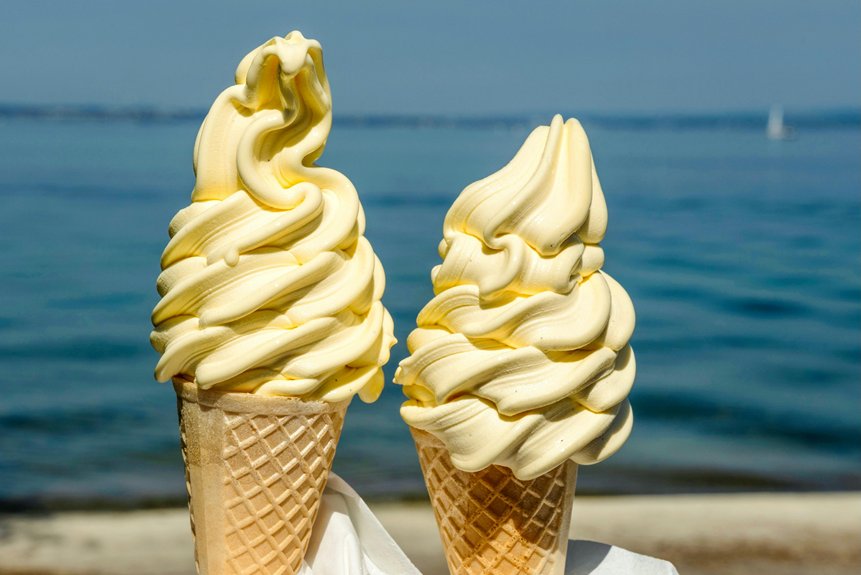
Frozen dairy dessert is basically ice cream’s budget-friendly cousin—it swaps real milk fat for vegetable oils like coconut or palm oil to save money. Manufacturers whip in extra air and add gums like carrageenan to fake that creamy texture you’d get from actual dairy. The result melts faster and tastes lighter than true ice cream, but it’s gentler on your wallet. Check labels for “frozen dairy dessert” to spot the difference, and there’s plenty more to uncover about how these products stack up nutritionally.
The FDA’s Definition
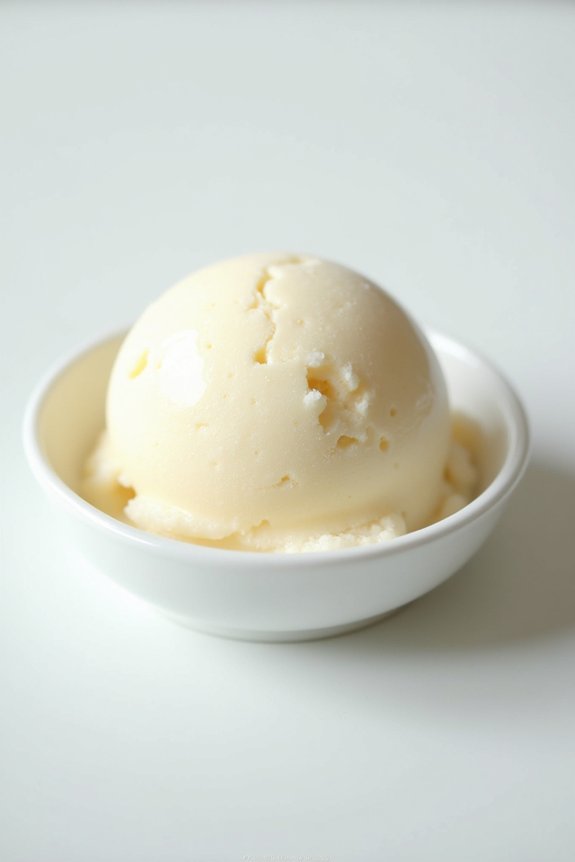
Have you ever wondered why some frozen treats are called “ice cream” while others say “frozen dairy dessert” on the label?
The FDA’s got the answer. I’ll explain: the agency sets strict rules to help us understand what we’re eating. Real ice cream must contain at least 10% milk fat and no more than 100% overrun (that’s the fancy term for air whipped into it). It also needs to weigh at least 4.5 pounds per gallon.
When a frozen treat doesn’t meet these standards, it becomes a frozen dairy dessert instead. Maybe it’s got less dairy fat or more air. These products often swap some milk fat for vegetable oils and adjust their stabilizers differently.
Those label distinctions? They’re regulatory requirements protecting us consumers. They tell us exactly what we’re scooping into our bowls.
How It Differs From Real Ice Cream
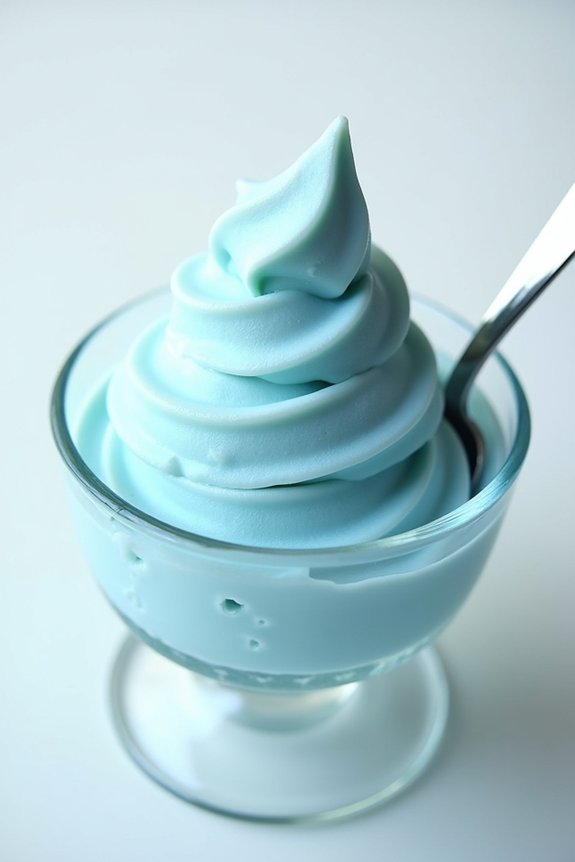
So what’s actually different when you’re comparing frozen dairy dessert to the real deal?
| Aspect | Frozen Dairy Dessert | Real Ice Cream |
|---|---|---|
| Fat Content | Uses vegetable oils or non-dairy substitutes | Minimum 10% milk fat |
| Texture | Lighter, airier, fluffier | Creamy, dense, rich |
| Production Cost | Cheaper to make | More expensive |
| Additives | More stabilizers and sweeteners | Fewer additives needed |
Here’s the thing: frozen dairy desserts swap out some real dairy for oils and other ingredients to cut costs. This swap changes everything about how it tastes and feels in your mouth. You’ll notice the texture’s lighter and airier because it’s churned more (that’s called overrun). Real ice cream relies on that authentic dairy fat to give you that luxurious, creamy bite you crave. Frozen dairy desserts just can’t match that depth and richness, even with extra sweeteners and stabilizers mixed in.
Why Vegetable Oils Replace Dairy Fat
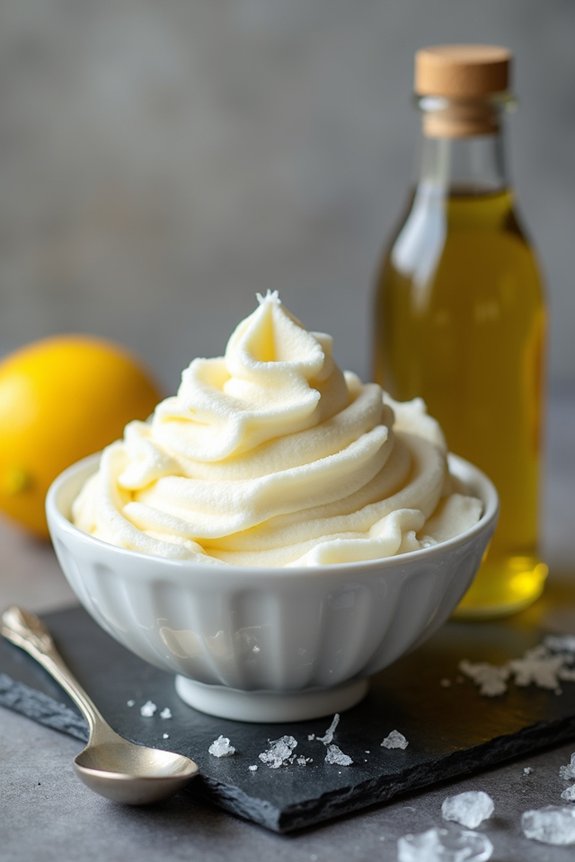
Manufacturers swap out dairy fat for cheaper vegetable oils like palm and coconut oil, which saves them money while keeping the product creamy—it’s a win-win for their bottom line. Here’s the thing though: this swap changes how the dessert actually behaves when you eat it, making it melt faster and feel lighter on your tongue than traditional ice cream. Understanding these differences helps you see why frozen dairy desserts cost less and taste a bit different from the real deal.
Cost Reduction Strategies
Why would a frozen dessert manufacturer swap out real dairy fat for vegetable oils like palm or coconut oil? The answer’s straightforward: it saves money. Here’s how manufacturers reduce costs while keeping you happy:
- Vegetable oils cost significantly less than dairy fat, cutting production expenses dramatically
- Lower raw material prices mean frozen dairy dessert stays affordable on store shelves
- Stabilizers and sweeteners stretch those savings further by mimicking creaminess without premium ingredients
When I compare prices, I notice frozen dairy dessert typically costs less than ice cream. That’s because these vegetable oil swaps don’t require expensive dairy sourcing. Sure, you’ll notice a lighter texture and quicker melt compared to traditional ice cream, but you’re getting a tasty treat that won’t break your budget. It’s smart economics meeting satisfying desserts.
Texture And Melt Differences
Ever notice how frozen dairy dessert feels a bit lighter on your tongue than ice cream? That’s because manufacturers swap some dairy fat for plant oils like coconut or palm oil. Here’s what happens: those vegetable oils create a lighter texture with more air inside, kind of like how whipped cream gets fluffy. But there’s a trade-off—frozen dairy dessert melts faster than traditional ice cream because it doesn’t have that rich dairy fat holding everything together.
To make up for this, producers add extra stabilizers and sweeteners, which help create creaminess without the heavy dairy solids. Think of it as swapping butter for oil in a recipe—you get a different result, but it still works. The ingredient quality really matters here; better stabilizers mean smoother, more enjoyable frozen dairy dessert.
Gums and Thickeners: The Secret Ingredients
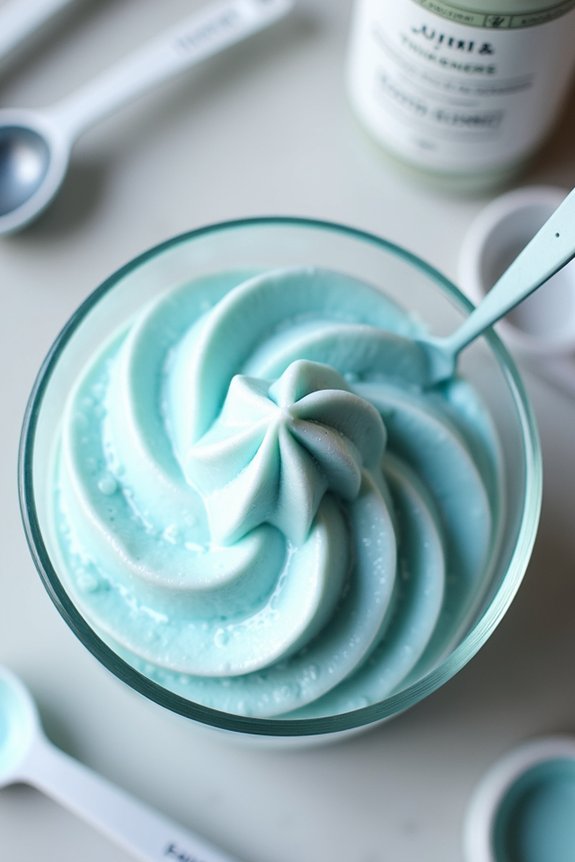
I’ll let you in on a little secret: those gums and thickeners you see listed on the ingredient label are actually the unsung heroes that give frozen dairy desserts their silky, smooth texture—they prevent ice crystals from forming and keep everything blended together perfectly. These stabilizers, like carrageenan and guar gum, work behind the scenes to mimic the creaminess that dairy fat would normally provide, which is especially handy when manufacturers use vegetable oils instead. The result? That satisfying mouthfeel you love, a dessert that melts at just the right pace, and a product that holds together beautifully from the freezer to your spoon.
What Gums Do
How do you think ice cream stays so smooth and creamy instead of turning into a block of ice crystals? That’s where gums come in. I’ll let you in on what these hardworking ingredients actually do:
- They slow down melting by creating invisible networks that hold everything together
- They prevent ice crystals from growing too large, keeping texture silky
- They boost creaminess without needing extra fat
You won’t taste these gums—they’re added in tiny amounts (around 0.05% to 0.5%)—but you’ll absolutely feel their magic. When you’re scooping ice cream on a hot day, gums are quietly working to keep it from becoming soupy. They’re the reason your frozen treat stays luxurious bite after bite. Pretty cool, right?
How Thickeners Work
Gums and thickeners are basically the backbone of creamy frozen desserts, and they’re doing way more than you’d expect. When you scoop into your favorite frozen treat, thickeners are working hard behind the scenes, holding everything together like an edible glue. They keep the fat and solids suspended so water doesn’t separate out (that’s called syneresis—fancy word for a melting mess). Here’s the cool part: thickeners let manufacturers use less dairy while still delivering that luxurious mouthfeel you crave. By adjusting how much thickener goes in, makers control how fast your dessert melts and how creamy it feels on your tongue. It’s smart science that makes your experience better, and you’ll find these ingredients listed right on the label.
Texture Enhancement Benefits
When you’re trying to make a frozen dessert taste creamy without loading it up with fat, that’s where thickeners become your best friend. I’ve discovered that gums like guar gum and carrageenan work magic by creating a smooth, satisfying texture that tricks your taste buds into thinking you’re eating full-fat ice cream.
Here’s what thickeners actually do for you:
- Increase viscosity to mimic creaminess without excess dairy fat
- Work with stabilizers to prevent ice crystals from growing during storage
- Improve mouthfeel by creating a fuller body throughout your dessert
When these ingredients team up, they form a protective network that keeps everything smooth and stable. You’ll notice the difference immediately—that luxurious texture that makes frozen dairy desserts so satisfying, even when they’re lighter than traditional ice cream.
How Frozen Dessert Is Made
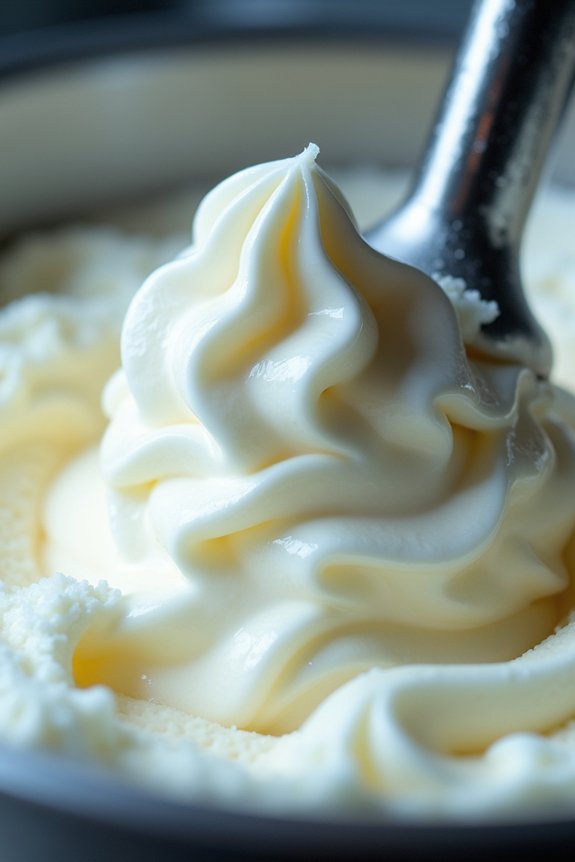
The magic behind frozen dairy dessert starts with swapping out some of the cream and milk for vegetable oils like coconut or palm oil—a smart move that changes how the final product tastes and feels in your mouth. Here’s where things get interesting: manufacturers heat and mix everything together through pasteurization, which kills any unwanted bacteria. Next comes homogenization, where they force the mixture through tiny holes to break down fat particles evenly. Finally, they freeze the blend while whipping air into it, creating that lighter, fluffier texture you love. This controlled air incorporation makes frozen dairy dessert melt faster than traditional ice cream. The whole process takes precision and timing, but the result? A creamy treat that’s genuinely delicious and satisfying.
Why It Melts So Fast
If you’ve noticed your frozen dairy dessert turning into a puddle faster than regular ice cream, you’ve spotted one of its biggest differences. Here’s why it melts so fast:
- Lower fat content means less insulation against warmth
- Plant oils soften quicker than dairy fat in your mouth
- Stabilizers create a lighter structure that breaks down easily
I’ve learned that frozen dairy dessert simply can’t handle room temperature like true ice cream does. The reduced dairy and added vegetable oils make it soften rapidly, so you’ll want to enjoy it straight from the freezer. It’s not a flaw—it’s just how frozen dairy dessert works. Understanding why it melts so fast helps you appreciate what you’re eating and adjust your serving strategy accordingly.
What Your Palate Will Detect
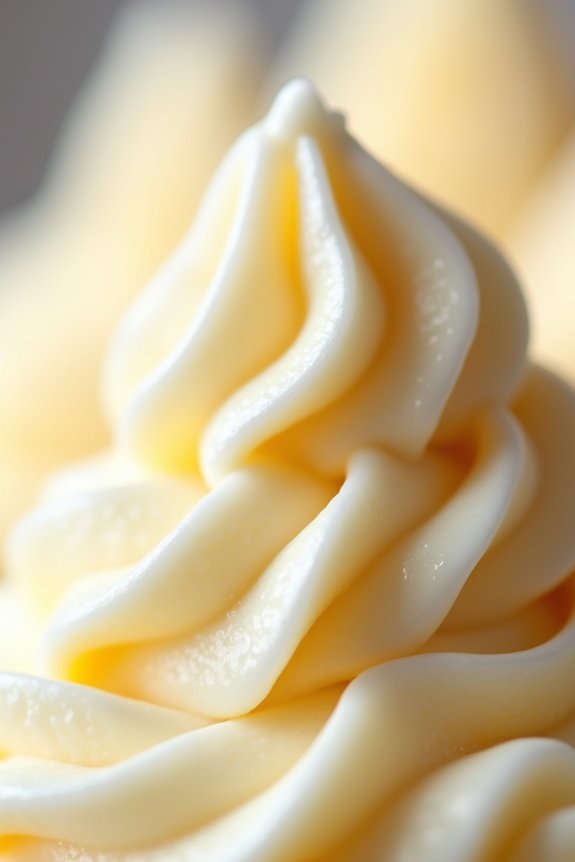
How does frozen dairy dessert actually taste compared to real ice cream? Here’s what you’ll notice: frozen dairy dessert tastes noticeably lighter and less rich than traditional ice cream. That’s because it swaps some real dairy fat for vegetable oils like coconut or palm oil, which changes the flavor experience you get with each spoonful.
You’ll detect less depth and creaminess since there’s less actual dairy involved. The extra stabilizers and sweeteners make the texture feel airier, almost fluffy. The mouthfeel’s lighter too—it won’t coat your mouth quite the same way premium ice cream does.
Honestly, if you’re used to quality ice cream, you’ll taste the difference immediately. Frozen dairy dessert works great for a casual treat, but it’s missing that luxurious, indulgent quality real ice cream delivers.
Why It’s Cheaper to Make
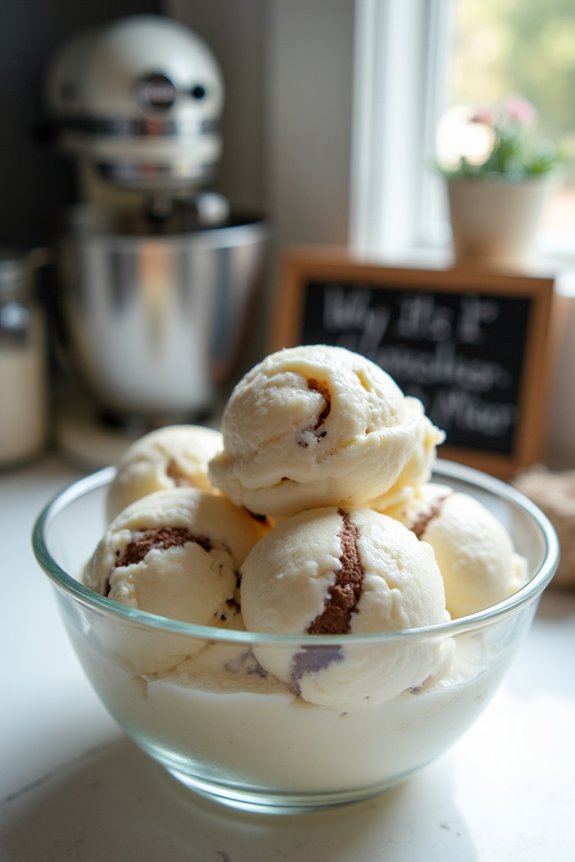
Since frozen dairy dessert swaps out pricey dairy fat for cheaper vegetable oils like coconut and palm oil, manufacturers can cut their production costs substantially while still keeping that creamy base you’re expecting. Here’s what makes this possible:
Frozen dairy desserts swap expensive butterfat for cheaper vegetable oils, slashing production costs while maintaining that creamy texture you expect.
- Lower-quality dairy ingredients replace premium milk and cream
- Bulk vegetable oils substitute for expensive butterfat
- Chemical additives (stabilizers, emulsifiers, sweeteners) stretch ingredients further
I find it fascinating how these cost-cutting moves work together. The vegetable oils keep things smooth, while stabilizers compensate for reduced fat content. More air gets whipped in, making the product feel lighter without adding expensive ingredients. It’s smart economics—you get that frozen treat experience at a price that doesn’t break the bank.
How to Spot It on Labels
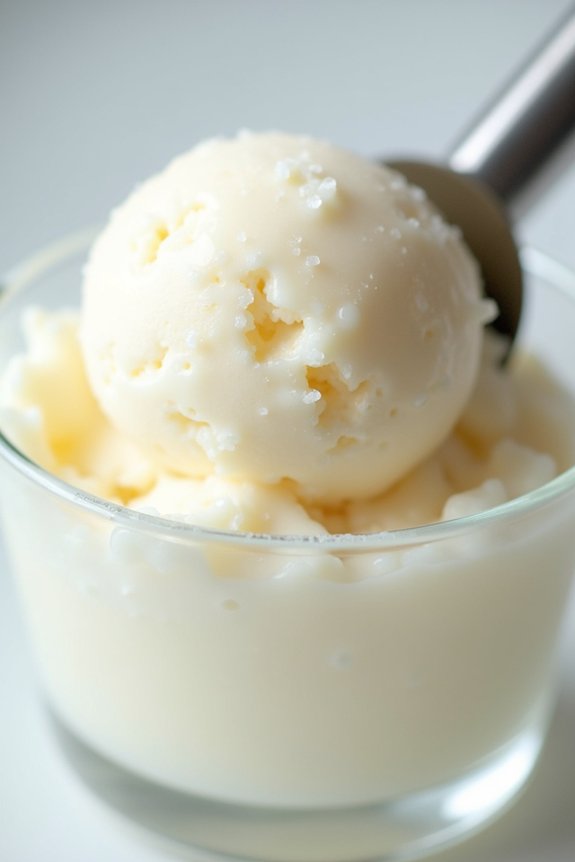
You’ve now learned why frozen dairy dessert costs less to produce, but the real question is: how do you actually spot it when you’re standing in the grocery store aisle?
The label’s your best friend here. Look for the words “frozen dairy dessert” or “frozen dessert”—if it said “ice cream,” it’d have to meet stricter FDA standards. Check the ingredient list too; you’ll spot plant oils instead of pure dairy fat, plus stabilizers and sweeteners galore.
| What to Look For | Ice Cream | Frozen Dairy Dessert |
|---|---|---|
| Label says | Ice cream | Frozen dairy dessert |
| Main fat | Milk fat | Plant oils |
| Ingredients | Simple, fewer additives | Multiple stabilizers |
| Texture note | Denser, creamier | Lighter, airier |
Once you know what signals frozen dairy dessert, you’ll become a label-reading pro.
Frozen Dessert vs. Ice Cream: Nutrition and Health
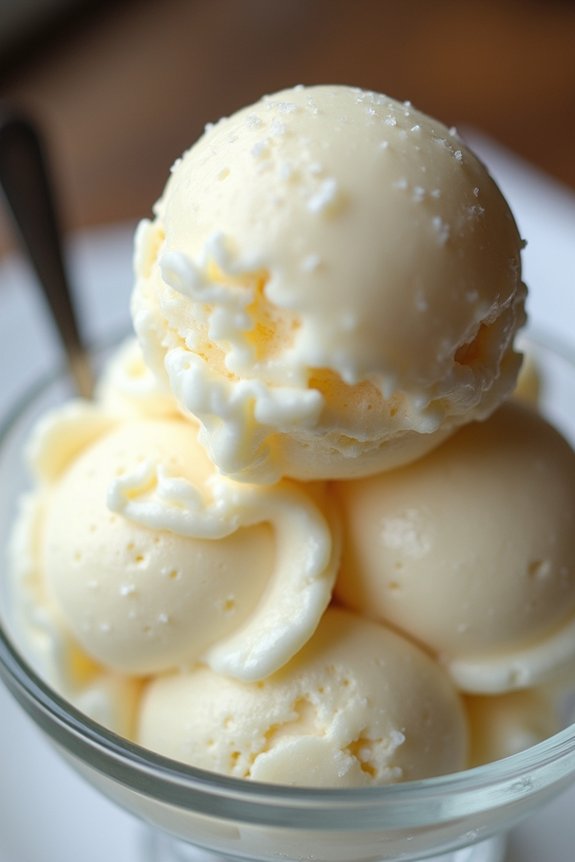
When you’re comparing frozen dairy dessert to traditional ice cream, the nutritional differences might surprise you. I’ve noticed that frozen dairy dessert swaps out some dairy fat for vegetable oils like palm or coconut oil, which can change the calorie count. Here’s what distinguishes them nutritionally:
- Fat content varies—ice cream contains more dairy fat, while frozen dairy dessert uses oil substitutes
- Calories per serving depend on ingredients, so you’ll want to check labels carefully
- Stabilizers and sweeteners appear more frequently in frozen dairy dessert
The ingredient lists tell the real story. You’ll find frozen dairy dessert has longer, more complex lists than traditional ice cream. That airier texture comes from higher overrun, meaning more air gets whipped in. Neither option’s automatically healthier—it depends on what matters most to you personally.
Which Should You Buy?
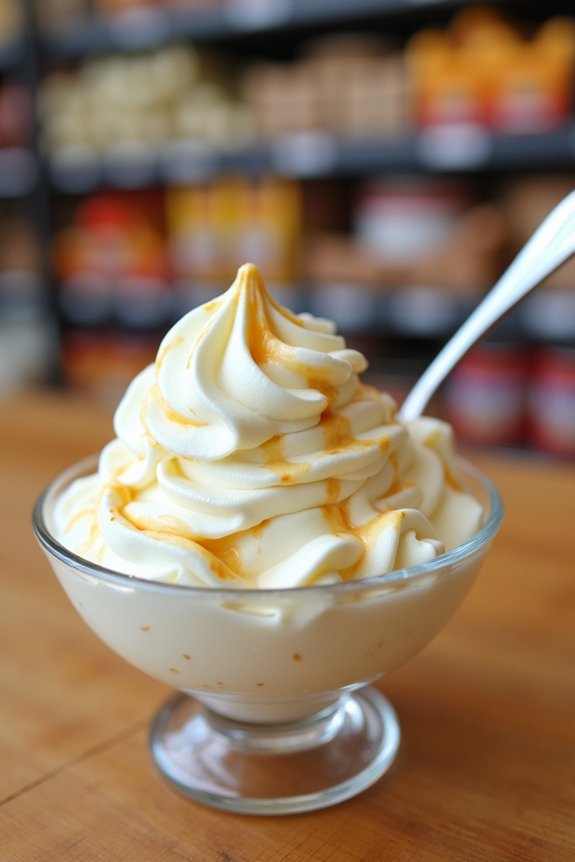
When you’re standing in the frozen aisle deciding between ice cream and frozen dairy dessert, you’ll want to think about what matters most to you—whether that’s the rich, creamy taste of real ice cream or a lighter option that’s easier on your wallet. Ice cream’s got more milk fat and a denser texture that melts slowly on your tongue, while frozen dairy dessert tends to be airier and cheaper, though it won’t give you that same luxurious mouthfeel. Your choice really comes down to whether you’re willing to spend more for premium taste and texture, or if you’d rather save money without sacrificing too much enjoyment.
Nutritional Content Comparison
How do frozen dairy desserts actually stack up against traditional ice cream? I’ll break down what I’ve discovered so you can make the best choice for your family.
When comparing these treats, consider these key differences:
- Fat Content – Frozen dairy desserts replace dairy fat with vegetable oils, giving them lower fat than true ice cream
- Calories – You’ll typically find fewer calories per serving, though this varies by brand
- Ingredients – More stabilizers and sweeteners help achieve that creamy texture you love
Here’s what I’ve learned: check the Nutrition Facts panel carefully. That frozen dairy dessert might look lighter on paper, but the added thickeners and sugars create different nutritional profiles. Neither’s inherently “better”—it depends on what matters to you. Read those ingredient lists, compare the numbers, and pick what aligns with your goals.
Texture And Mouthfeel Differences
Ever notice how one frozen treat melts on your tongue like butter while another feels a bit icy? That’s because real ice cream and frozen dairy desserts aren’t the same thing. Ice cream uses at least 10% milk fat, creating that smooth, creamy texture you crave. Frozen dairy desserts, however, swap some dairy fat for dairy-free fats and plant oils instead. This swap makes them lighter and airier, which sounds nice until they melt faster and feel less rich on your palate. The difference? Ice cream’s density comes from real dairy, while frozen dairy desserts rely on stabilizers and emulsifiers to fake creaminess. So when you’re choosing between them, think about what matters: that lingering, luxurious taste or something lighter and quicker to melt?
Price Versus Quality Value
Why does one pint of ice cream cost twice as much as another when they look nearly identical in the freezer case? The answer lies in what’s actually inside.
Here’s what you’re really paying for:
- Fat content – Premium ice cream has 14% milk fat or higher, making it richer and creamier than frozen dairy dessert’s lower fat content
- Overrun – Less air whipped in means denser, more luxurious scoops that melt slowly on your tongue
- Ingredients – Real cream and vanilla cost more than stabilizers and vegetable fats
I’d suggest checking nutrition labels before buying. You’ll notice frozen dairy dessert offers decent taste at lower prices, while premium options justify their cost through superior texture and slower melting. Consider what matters to you—budget-friendly treats or indulgent experiences—then choose accordingly.