Most traditional soy sauce is vegetarian because it’s made from just soybeans, wheat, salt, and water—all plants. Here’s the catch though: some mass-produced brands sneak in animal stuff like fish sauce, bone char in caramel coloring, or vague “natural flavors” that might come from animals. You’ve got to check the label carefully before you buy. The good news? Once you know what to look for, spotting the vegetarian-friendly bottles becomes super easy, and I’ve got the exact details to guide you.
Is Soy Sauce Vegetarian? The Straight Answer

So, you’re standing in the grocery store aisle wondering if that bottle of soy sauce fits your vegetarian lifestyle? Here’s the good news: most traditional soy sauce is actually vegetarian. The basic ingredients—soybeans, wheat, salt, and water—are all plant-based, and traditional fermentation keeps things meat-free.
However, here’s where it gets tricky. Some mass-produced versions sneak in non-vegetarian additives or use caramel color processed with bone char. That’s why label verification matters. I always flip the bottle over and check the ingredient list carefully.
Your safest bet? Look for naturally fermented tamari or soy sauces with clear vegan certifications. Checking the brand’s website confirms their production methods. It takes just a moment, and you’ll shop with confidence knowing your choice aligns with your values.
What Soy Sauce Is Made Of
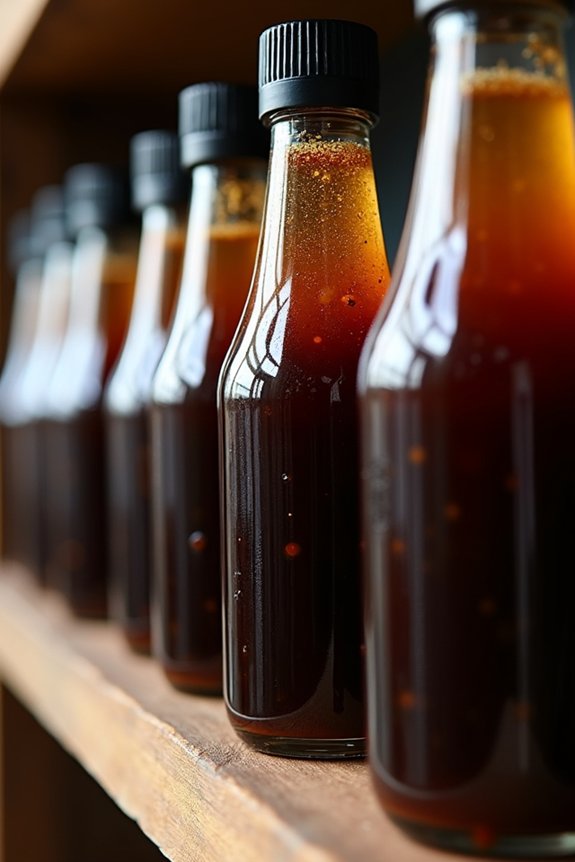
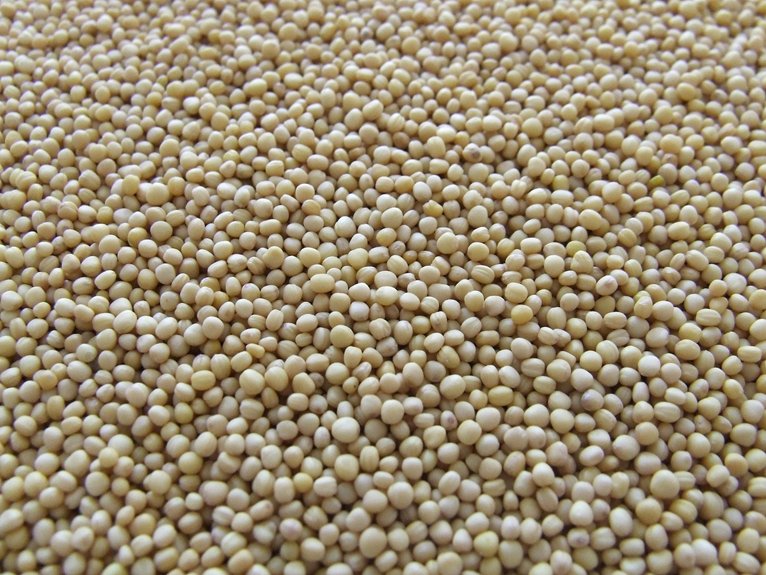
The magic of soy sauce starts with four simple ingredients: soybeans, roasted wheat, salt, and water. I find it fascinating how these humble components transform into something so flavorful.
Here’s where the real action happens: fermentation. Koji mold is introduced to the mixture, and over weeks or months, it breaks everything down into that rich, savory goodness we love. This natural fermentation process develops the distinctive umami flavor that makes soy sauce irreplaceable in cooking.
Now, about vegan suitability—here’s what I’ve learned. Most traditional soy sauce is naturally plant-based, which is great news. However, some brands sneak in additives or use production methods that might concern you. That’s why I always check labels before buying. Different manufacturers do things differently, so reading carefully ensures you’re getting exactly what you want.
What Makes Some Soy Sauce Non-Vegetarian
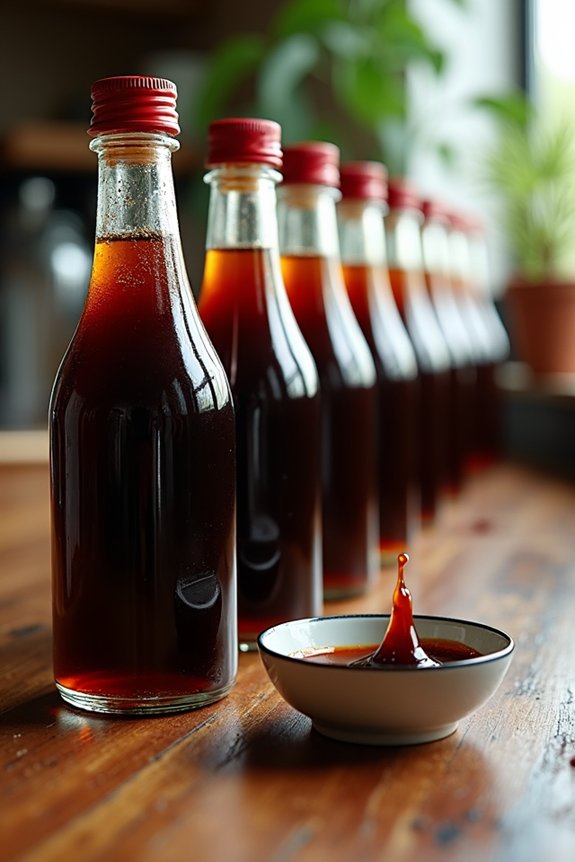
I’ll be honest with you—not all soy sauce is created equal, and some brands sneak in animal-derived ingredients like fish sauce or seafood-based flavor boosters that’d disqualify them from your vegetarian kitchen. You’ve also got to watch out for sneaky stuff like bone char in the caramel coloring or cross-contamination from shared equipment with non-vegetarian products (yeah, it happens more often than you’d think). The good news is that checking the label carefully and reaching out to manufacturers when you’re unsure takes just a few minutes and saves you from any dietary surprises.
Animal-Derived Flavor Enhancers
Why do some soy sauces taste more complex than others? Here’s the thing: manufacturers often add flavor enhancers like disodium inosinate to boost that umami punch. The catch? This ingredient can come from animal sources, which directly affects a sauce’s vegan status.
I’ve discovered that labeling transparency matters tremendously when you’re shopping. Some brands hide animal-derived additives under vague terms like “natural flavors,” making it tricky to identify what you’re actually buying. It’s frustrating, I know.
The good news? Modern fermentation-based soy sauces are typically vegan if they skip animal products entirely. Your best move is checking the manufacturer’s website or calling their customer service. They’ll tell you exactly what’s in their sauce and how it’s made. That way, you’re buying with confidence.
Non-Vegan Additive Ingredients
Once you start reading ingredient lists carefully, you’ll spot some surprising culprits hiding in soy sauce bottles. I’ve discovered that certain brands add caramel color, which manufacturers sometimes process using bone char—definitely not vegan. Some bottles contain “natural flavors” that actually come from animal sources, though the label won’t spell that out clearly.
Here’s what I look for: check those ingredient disclosures for anything suspicious. Sugar might sound innocent, but some producers use bone char during processing. Non-vegan additives sneak into mass-produced varieties more often than premium brands.
The tricky part? Many companies don’t fully disclose their animal-derived ingredients on the front label. You’ll need to investigate further, reading the fine print or contacting manufacturers directly. Once you know what to hunt for, you’ll feel confident choosing truly plant-based soy sauce.
Cross-Contamination During Production
Beyond what’s actually listed in the bottle, there’s another sneaky problem that catches a lot of people off guard: what happens during manufacturing. See, cheaper production facilities often make multiple products on the same equipment—soy sauce one minute, fish sauce the next. That shared machinery creates cross-contamination risks that aren’t always obvious. Even brands claiming to be vegan might process non-vegan items in nearby lines, which means animal products could sneak into your bottle.
Here’s what I recommend: look for vegan certification symbols on labels. These certifications mean manufacturers verified their entire production process—equipment, facilities, everything. Check ingredient lists carefully too. When you’re shopping, prioritize brands with dedicated vegan production facilities. It takes extra effort, but knowing exactly what’s in your soy sauce makes cooking feel cleaner.
Decode Labels: Animal-Derived Additives To Spot
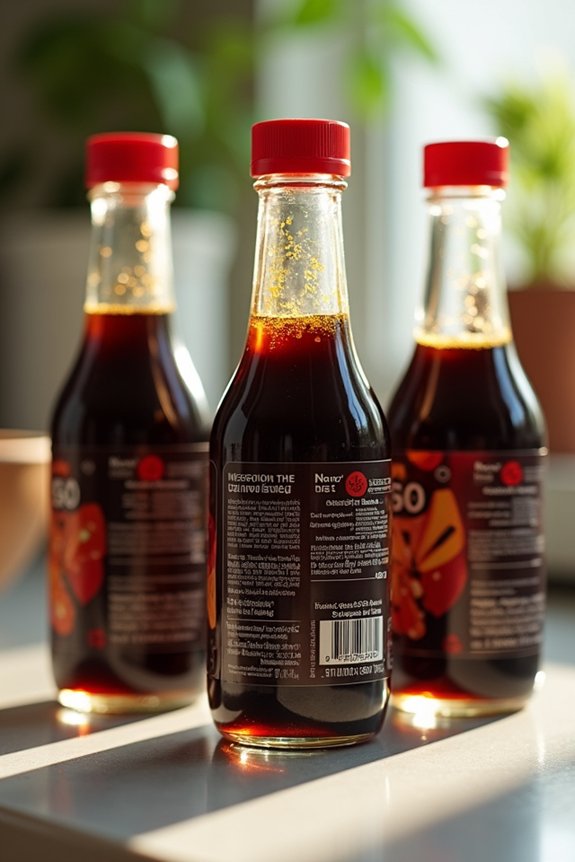
I’ll walk you through spotting the sneaky animal ingredients hiding in your soy sauce bottle, because they’re easier to miss than you’d think. Check the ingredient list for fish sauce, anchovies, or flavor boosters like disodium inosinate (which can come from fish), and watch out for caramel color made with bone char in darker sauces. The good news is that once you know what names to hunt for, you’ll become a label-reading pro and find plenty of genuinely vegan options on your grocery shelf.
Common Non-Vegan Additives
Why do some soy sauces that look identical on the shelf actually have totally different ingredients hiding in the fine print? I’ve discovered that spotting non-vegan additives requires detective work. Fish sauce sneaks into blends, while caramel color might come from animal sources. Disodium inosinate, a common flavor enhancer, could derive from animals or plants—you can’t tell without checking. Miso-based varieties sometimes hide dairy or meat derivatives.
When decoding soy sauce additives, I recommend scanning ingredient lists carefully. If you’re unsure about vegan ingredients, don’t hesitate contacting brands directly or checking vegan databases. Label decoding takes seconds and saves disappointment. I’ve learned that many seemingly simple products contain hidden animal products, so verifying each bottle protects your values while shopping confidently.
Reading Ingredient Labels Carefully
How do you actually know what’s hiding in your soy sauce bottle? I’ve learned that reading ingredient disclosure carefully is your best friend here. You’ll want to scan for sneaky animal-derived additives like fish sauce, anchovies, or disodium inosinate, which often slip into soy sauce without obvious labels.
Look closely at terms like “natural flavors” or “caramel color”—these can hide animal sources. Check if your bottle says “vegan labeling” clearly; if it doesn’t, that’s your red flag. I always flip the bottle around and read every single ingredient, even the processing aids.
Don’t assume “naturally fermented” means vegan either. Here’s my trick: when in doubt, I check the brand’s website or cross-reference multiple labels before buying. It takes two minutes and saves confusion later.
Identifying Hidden Animal Sources
When you flip that soy sauce bottle around, you’re basically playing detective—and honestly, that’s where most people miss the sneaky stuff hiding in plain sight. Fish sauce and anchovies show up in some brands as additives, making them decidedly non-vegan. You’ll also spot flavor enhancers like disodium inosinate, which can come from animals or plants (label checks are essential here). Dark soy sauces sometimes contain caramel color processed with bone char—yeah, that’s an animal product. The tricky part? Cheaper varieties risk cross-contamination during production. Here’s my advice: don’t just skim those ingredients. Instead, hunt for vegan-certified brands and consult the manufacturer’s official notes about processing. Your vegan status depends on these details, so verify before you buy.
Why Fermentation Makes Soy Sauce Vegetarian
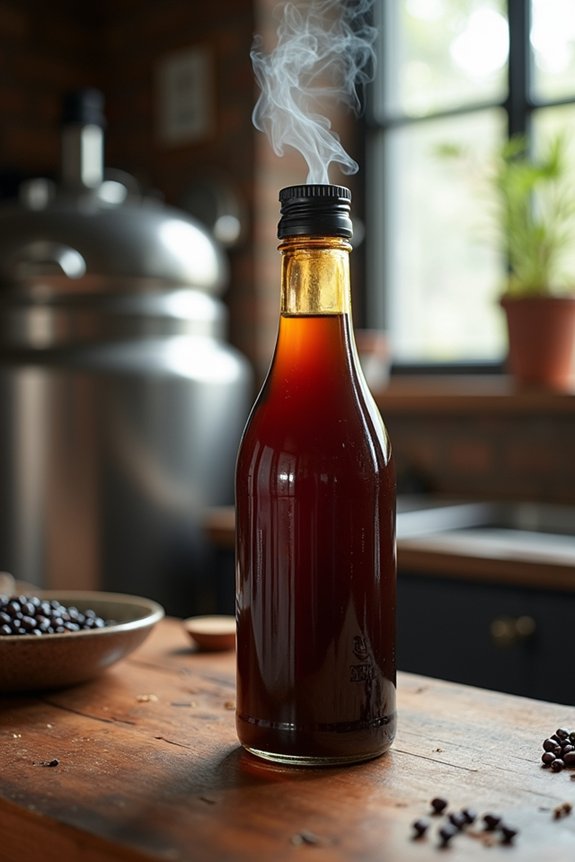
Traditional soy sauce doesn’t need a single animal product to taste absolutely delicious. Here’s why fermentation makes it naturally vegetarian-friendly:
- Plant-based ingredients only – Soybeans, roasted wheat, salt, and water create the entire foundation without any animal involvement.
- Koji culture does the heavy lifting – Aspergillus oryzae breaks down proteins and starches, developing rich, savory flavors through natural fermentation.
- Beneficial microbes add depth – Lactic acid bacteria and yeast work together over months or years, creating complexity that rivals any animal-derived flavor.
- Enzymes preserve naturally – Traditional fermentation keeps these flavor-building enzymes intact, meaning you’re getting authentic taste from pure plant power.
When you choose traditionally fermented soy sauce, you’re selecting a genuinely vegetarian product where science and nature work together beautifully.
Is Kikkoman Vegetarian?
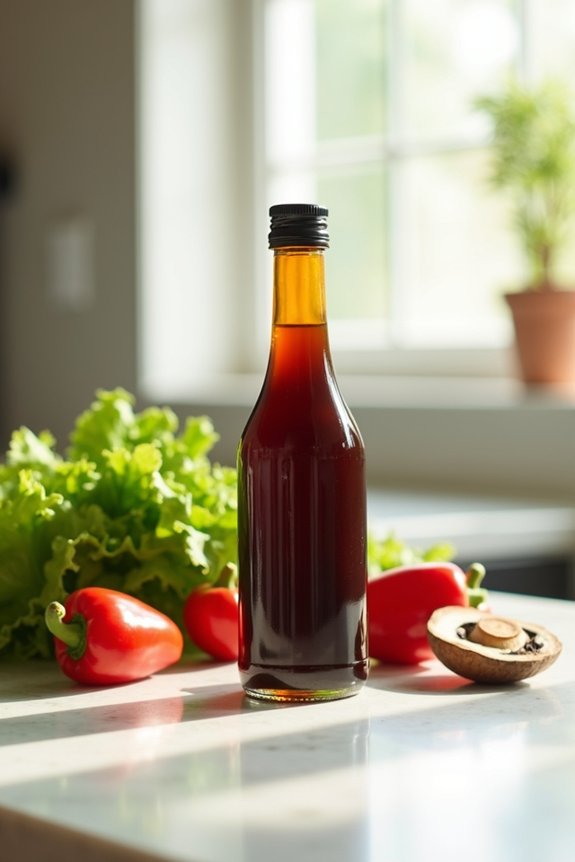
Now that we’ve covered what makes traditionally fermented soy sauce so naturally vegetarian-friendly, let’s talk about one of the most popular brands you’ll find in grocery stores everywhere: Kikkoman.
I’ll be honest—Kikkoman’s standard soy sauce is vegan and vegetarian. It’s made from just four simple ingredients: soy, wheat, salt, and water. No animal products hiding in there.
That said, I’d recommend checking the label on whatever specific product you’re grabbing. Some regional or specialty Kikkoman products might contain additives you’ll want to know about. The brand did face some animal testing controversy back in 2015, though they’ve since stopped that practice.
For your everyday cooking needs, though, Kikkoman remains a trusted, widely available option that fits perfectly into vegetarian and vegan kitchens.
Tamari and Gluten-Free Soy Sauce Options
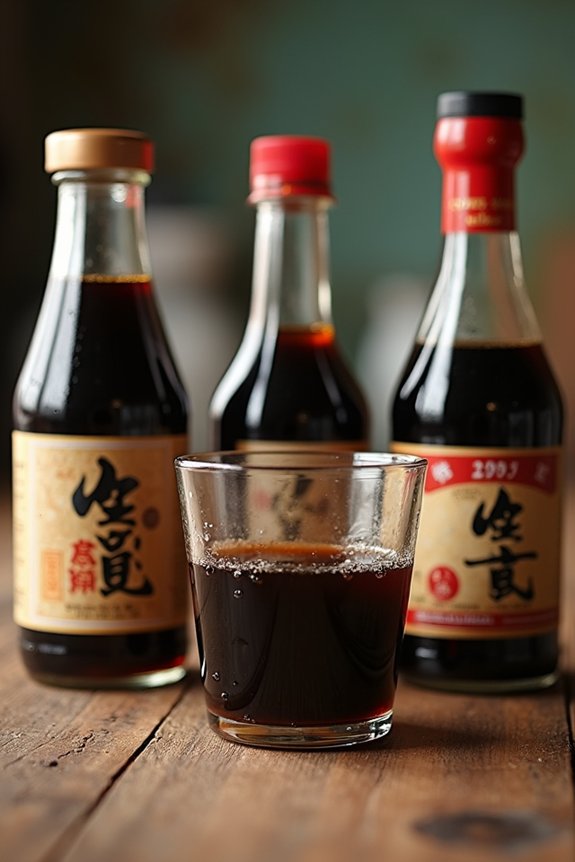
Ever wondered what makes tamari different from regular soy sauce? I’m glad you asked! Tamari is traditionally made from soybeans and salt, and many varieties are naturally gluten-free—perfect if you’re avoiding gluten like I am.
Here’s what I’ve learned about finding the right option:
- Look for bottles labeled “gluten-free certified” to ensure safety
- Check if your brand is wheat-free, since some tamari contains traces
- Try San-J or Clearspring brands, which offer reliable gluten-free options
- Read labels carefully because not all tamari is automatically gluten-free
I always verify the label before buying because my body thanks me later. Finding a trustworthy gluten-free soy sauce means you’re taking care of yourself, and that’s what matters most when cooking for people you love.
Lactic Acid Bacteria: A Concern For Strict Vegetarians?
What’s really happening inside that bottle of soy sauce during fermentation? Lactic acid bacteria are working hard to create that tangy flavor you love, but here’s where it gets tricky for strict vegetarians like us.
Some producers don’t disclose their bacterial sources, and certain bacteria can come from animal-related contexts. That’s a legitimate concern if you’re committed to vegan living.
I’ve found that checking for vegan certification labels gives me real peace of mind. Trusted brands using traditional fermentation methods tend to be more transparent. When I’m unsure, I contact manufacturers directly—they’ll tell you exactly what’s happening in that bottle.
Look beyond ingredient lists, because fermentation microbes won’t show up there. Doing this homework helps me feel confident about my choices.
Vegan-Certified Soy Sauces You Can Trust

Once you’ve figured out what’s hiding in your soy sauce—those sneaky bacteria and additives—the good news is that finding truly vegan options isn’t as hard as it sounds. I’ve discovered that vegan-certified brands make shopping straightforward, and you’re joining countless others who care about what goes into their kitchen.
Here’s what I look for:
- Vegan-certified labels from recognized bodies confirming no animal testing or ingredients
- Gluten-free tamari varieties like San-J that skip fish sauce entirely
- Traditionally fermented options from brands like Clearspring, brewed the old-fashioned way
- Ingredient lists checked carefully, avoiding hydrolyzed or caramel-colored shortcuts
I always read labels because brands vary—what’s vegan in one bottle might not be in another. Taking thirty seconds to verify means you’re making choices that align with your values, and that’s something worth celebrating.
Plant-Based Alternatives If You’re Uncertain
If you’re still not sure about your soy sauce, I’d recommend trying liquid aminos or coconut aminos as solid plant-based swaps that give you that same salty, umami punch without the guesswork. You can also hunt down vegan-friendly sauce options by checking ingredient labels carefully—look for anything suspicious like fish sauce, anchovy, or mysterious “natural flavors” that might hide animal stuff. When you’re at the store, grab products that explicitly say “vegan certified” on the bottle, and you’ll skip the whole verification headache altogether.
Liquid Aminos As Substitute
Ever noticed a bottle of liquid aminos sitting next to soy sauce at the grocery store and wondered what the difference was? I did too, and I’m glad I asked. Liquid aminos are plant-based substitutes that can work wonderfully for vegan cooking. They’re made from fermented amino acids and typically gluten-free, offering that savory umami punch you’re craving.
Here’s what makes them worth trying:
- They’re naturally vegan and free from animal ingredients
- Most brands provide a gluten-free option for dietary needs
- They deliver similar salty, umami flavor to traditional soy sauce
- You might need to adjust salt levels slightly in recipes
The catch? They’re milder than soy sauce and feel a bit thinner on your tongue. Always check labels, though—some brands sneak in surprising additives. When you find one you like, you’ve got a reliable backup for your favorite dishes.
Vegan-Friendly Sauce Options
Beyond liquid aminos, you’ve got other plant-based players in your corner that work just as well—sometimes better, depending on what you’re cooking. Coconut aminos bring a slightly sweet, salty punch that mimics soy sauce beautifully, while tamari offers that deep, fermented umami you’re craving without the gluten.
Here’s my strategy: check labels for “naturally fermented” and confirm vegan status—most brands are upfront about it. I always verify the ingredient list before buying, scanning for sneaky animal-derived additives.
My honest advice? Try a few brands to discover your favorite. Flavor profiles vary, and what works in stir-fries might feel different in dipping sauces. When you find your match, you’ll know. Reach out to customer service if you’re uncertain—they’re usually helpful and happy to confirm their vegan credentials.
Verifying Product Ingredient Labels
How many times have you grabbed a bottle of soy sauce without actually reading what’s inside? I used to do the same thing until I realized checking labels matters when you’re eating plant-based. Let me share what I’ve learned about verifying soy sauce ingredients for your kitchen.
- Scan for hidden animal products like fish sauce, anchovies, or disodium inosinate (sneaky stuff derived from fish)
- Hunt for explicit vegan certification symbols on the bottle—they’re your green light
- Watch out for caramel color and bone char-processed sugar in darker varieties
- Contact the manufacturer directly when ingredient lists seem unclear or suspicious
I always cross-check brands using vegan apps before purchasing. This simple habit keeps me confident about what I’m cooking with, and honestly, it takes just minutes. You’ve got this.
Where To Buy Vegetarian Soy Sauce
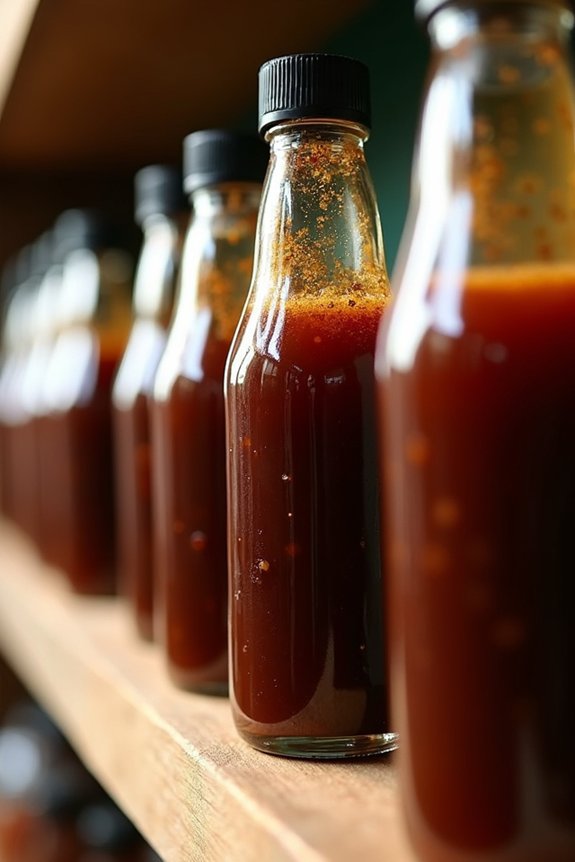
Finding vegetarian soy sauce isn’t as tricky as you’d think—it’s just about knowing where to look and what to check for. I’ve discovered that mainstream grocery stores now stock vegan labeling options from trusted brands like San-J and Clearspring, making your search easier than ever. For gluten-free tamari specifically, I head straight to the Asian market section or browse online retailers, where selection really shines. You’ll find naturally fermented varieties that tick all the boxes without compromise. Check brand websites directly—they’re surprisingly helpful about their vegan status and sourcing practices. Don’t skip your local Asian markets either; they’re goldmines for authentic, traditionally made vegetarian soy sauce at competitive prices. The community of plant-based cooks knows these spots well, and I’ve built lasting relationships shopping there.
Shop With Confidence: Your Vegetarian Checklist
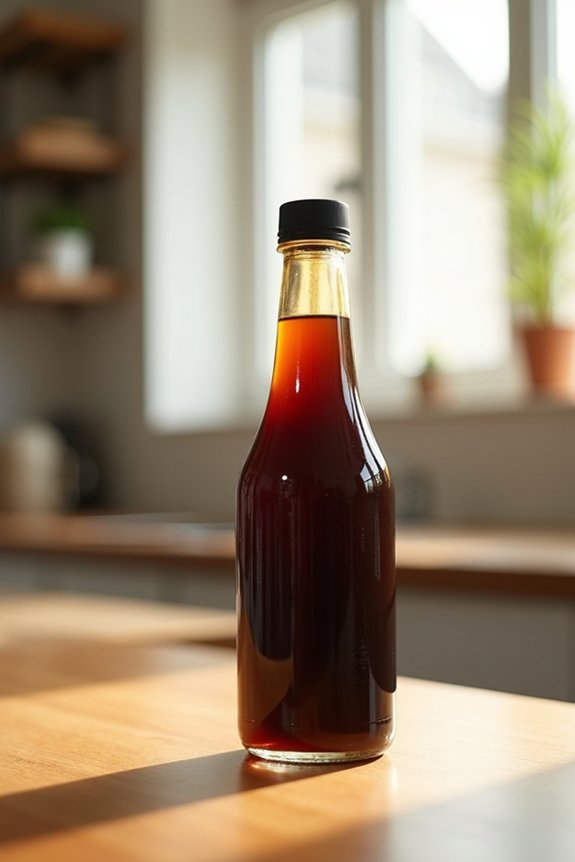
When you’re standing in the aisle squinting at tiny ingredient lists, here’s what I’ve learned to look for. I’ve discovered that checking labels transforms shopping from stressful to straightforward, and I want to share my vegetarian checklist with you.
- Search for “naturally fermented” on the label—this signals traditional fermentation quality and typically means vegan production
- Scan ingredients for animal products like fish sauce or anchovy, which some brands sneakily add
- Verify brand sources using vegan verification resources to confirm their practices align with your values
- Choose tamari carefully if you want gluten-free options, but always confirm the label says wheat-free
I’ve found that soy sauce vegan brands often proudly display their certifications. When you know what to examine, you’re joining a community of thoughtful eaters who refuse to compromise their values at checkout.