
Yes, seaweed’s totally vegetarian and vegan—it’s pure algae with no animal parts. What matters is checking your label for a vegan certification seal and verifying the harvest location. Look for third-party testing results showing low heavy metals, especially avoiding hijiki due to arsenic concerns. Popular picks like nori, kombu, and wakame pack protein and minerals, though kombu’s iodine content needs monitoring. Stick with brands showing transparency about sourcing and processing. Stick around to discover exactly what nutrients you’re getting and smart shopping strategies.
Why Seaweed Differs From Other Seafood?
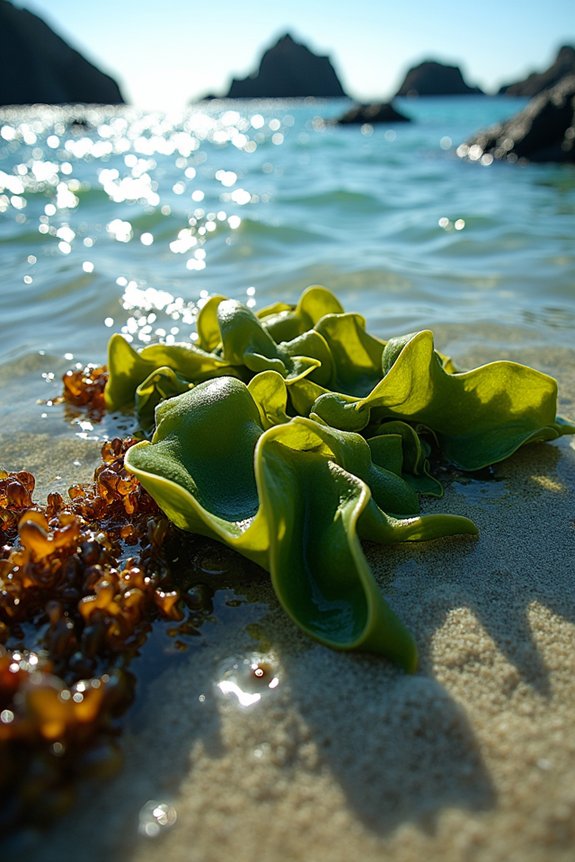
Ever wonder why seaweed gets the green light for vegans when other ocean foods don’t? Here’s the thing: seaweed isn’t actually a plant—it’s algae, which means it’s totally vegan-friendly. Unlike fish or other seafood, seaweed grows naturally in the ocean without harming animals.
What makes seaweed types so special for vegan nutrition is their impressive nutrient profile. They’re packed with iodine, iron, and calcium, which are tough to find in plant-based diets. But here’s where you’ve got to be smart: safety and sourcing matter. Some seaweed varieties contain heavy metals and arsenic, particularly hijiki. That’s why I always recommend choosing reputable sources and enjoying seaweed in moderation. When you’re selective about where your seaweed comes from, you’re making a nutritious choice that truly aligns with your values.
What Makes Seaweed Vegetarian and Vegan?
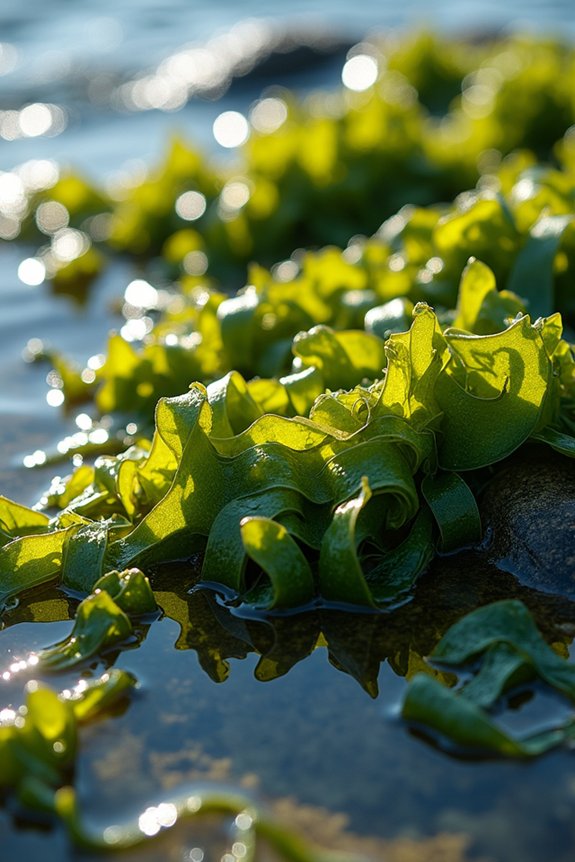
it’s actually a plant (well, technically an alga), which means it’s got no animal parts hiding in it—pretty straightforward, right? I think what really matters is understanding that seaweed doesn’t require farming animals or causing them harm, so it checks all the boxes for both vegetarian and vegan diets. When you’re picking out seaweed for your kitchen, just make sure you’re grabbing it from clean, sustainable sources so you can feel good about what you’re eating.
Plant Classification And Origin
Why should you care whether seaweed comes from a plant or an animal? Understanding seaweed classification helps you make confident dietary choices that align with your values.
I’ll share what makes seaweed special:
- Marine algae source: Seaweed grows in ocean environments, not land
- Plant-based origin: It’s classified as algae, not derived from animals
- Vegan status: Contains no nervous systems or pain receptors
- No animal products: Harvested sustainably without harming creatures
- Species iodine content: Varies by type and location
When you choose seaweed, you’re joining a community of people who care about ethical eating. Whether you’re sprinkling nori on sushi or munching dulse snacks, you’re making a plant-forward choice that feels good. That’s something worth celebrating with your meals.
Ethical Consumption Standards
So what actually makes seaweed vegan in the first place? I’d say it’s beautifully simple—seaweed grows in the ocean without needing animals or animal byproducts. When we harvest seaweed responsibly, we’re choosing sustainable sourcing that respects our environment.
Here’s what I love about it: seaweed farming requires minimal freshwater and pesticides, reducing our environmental impact significantly. It actually helps combat ocean acidification, which feels like a win for everyone. The vegan ethics here are solid because no creatures suffer during harvesting.
That said, monitor your iodine content intake—seaweed’s naturally high in it. I keep my consumption moderate, especially knowing pregnant folks should limit seaweed to weekly portions. When you’re choosing seaweed, look for responsibly harvested varieties. You’re not just eating well; you’re supporting ocean health too.
Essential Nutrients in Seaweed: Iodine, Omega-3s, and Protein
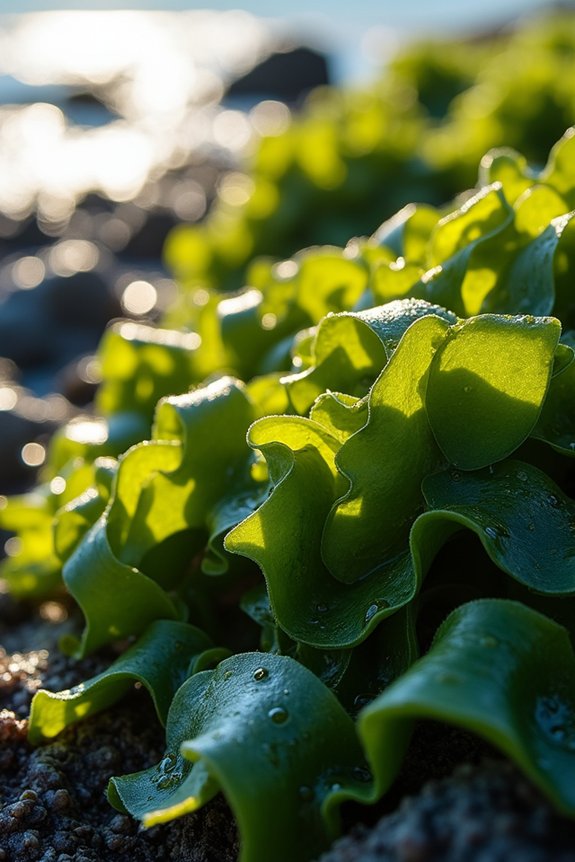
When you’re building a plant-based diet, seaweed becomes one of your concealed tools for nutrients that can be tricky to find elsewhere. I’ve discovered that different seaweed varieties pack surprising nutritional punches:
- Iodine powerhouses – Brown seaweeds and kelp support your thyroid naturally
- Omega-3s included – You’ll get EPA and DHA typically found in fish
- Protein content – Some varieties reach 47% protein by dry weight
- Species matter – Nutrient levels vary by type and where it’s harvested
- Label checking essential – You’ll want to verify amounts match your daily needs
Since iodine and omega-3 levels fluctuate, checking product information helps you hit your targets without overdoing it. You’re not just adding texture to meals; you’re genuinely nourishing your body with whole-food nutrition.
Seaweed’s Iodine Content: Why It Matters (and the Limits for Vegans)
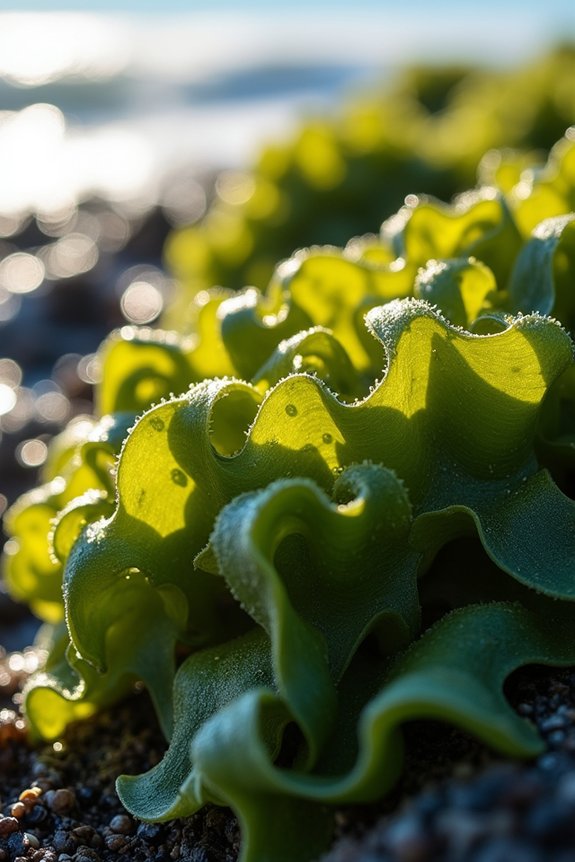
The amount varies wildly depending on which seaweed you buy and where it was harvested. I’ve learned that iodine content in seaweed can swing dramatically between species and locations, making it tricky to know exactly what you’re getting. Here’s what matters: if you’re vegan and relying on seaweed as one of your main vegan iodine sources, you’ll want to monitor your intake carefully. Pregnant women should limit seaweed to once weekly because of this iodine variability—it’s simply too unpredictable otherwise. The frustrating part? Most packaging doesn’t list iodine levels, leaving us guessing. I’d suggest checking with your doctor about your specific needs, especially if seaweed’s your primary iodine source. Small, consistent portions help you stay balanced.
Nori, Kombu, and Wakame: Seaweed Types Vegans Should Know
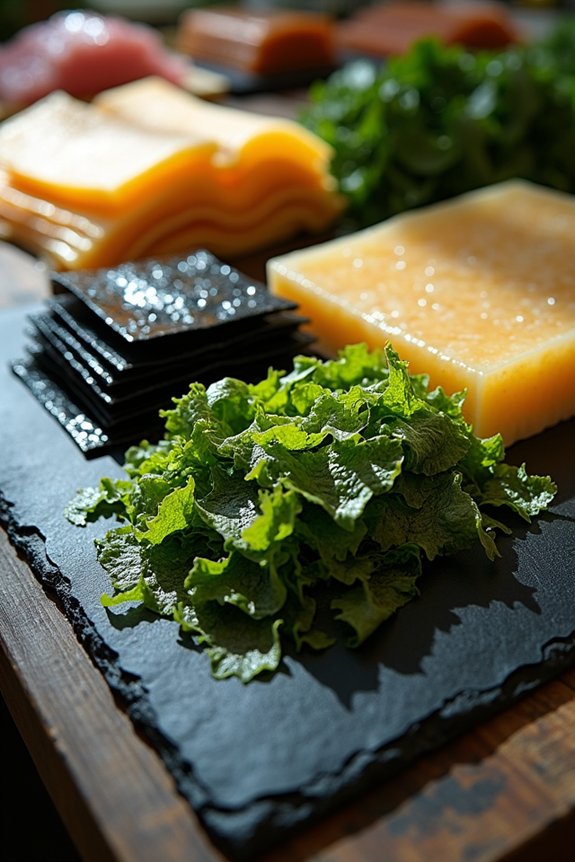
Now that you understand why iodine matters for your vegan diet, let me introduce you to the three seaweed superstars you’ll actually want to cook with: nori, kombu, and wakame. Each one brings different nutritional benefits to your plate—nori’s packed with calcium and iron, kombu’s basically an iodine powerhouse that makes your broths taste amazing, and wakame sits somewhere in between with a nice mineral mix. I’ll show you how to use each of these in ways that’ll transform your everyday meals, from simple salads to soul-warming soups.
Nutritional Profiles & Benefits
Why should you care about three types of seaweed when you’re already juggling plenty of plant-based foods? Because these ocean gems pack nutritional power that other vegetables simply can’t match. I’ve discovered that understanding their mineral profile helps me build better meals for my vegan lifestyle.
Here’s what makes each variety special:
- Nori offers accessible iodine content for thyroid health
- Kombu delivers umami richness plus substantial minerals like calcium and iron
- Wakame provides dietary fiber and copper for everyday nutrition
- Brown seaweeds contain fucoidans with antioxidant properties
- Variable protein content means they’re mineral boosters, not primary protein sources
I watch my iodine intake carefully—too much can throw off thyroid balance, especially during pregnancy. When you’re building your vegan seaweed varieties rotation, moderation keeps everything balanced and sustainable for long-term health.
Culinary Applications & Uses
Once you’ve got your seaweed stash organized, it’s time to actually cook with it—and I promise it’s way easier than you’d think. I love using nori to wrap homemade sushi rolls, kombu to simmer in broths for deep umami flavor, and wakame in soups and salads. Each type brings something special to the table. You can crumble dried seaweed into dressings, sprinkle it over rice, or snack on it straight from the bag. The iodine content in these vegan seaweed options makes them nutritional powerhouses too. Just remember: while most seaweed’s fantastic, hijiki caution is worth noting due to arsenic concerns. Stick with sustainably harvested varieties, and you’ll unlock incredible seaweed culinary uses that transform ordinary meals into something memorable.
Seaweed Safety Testing: Heavy Metals and What to Check
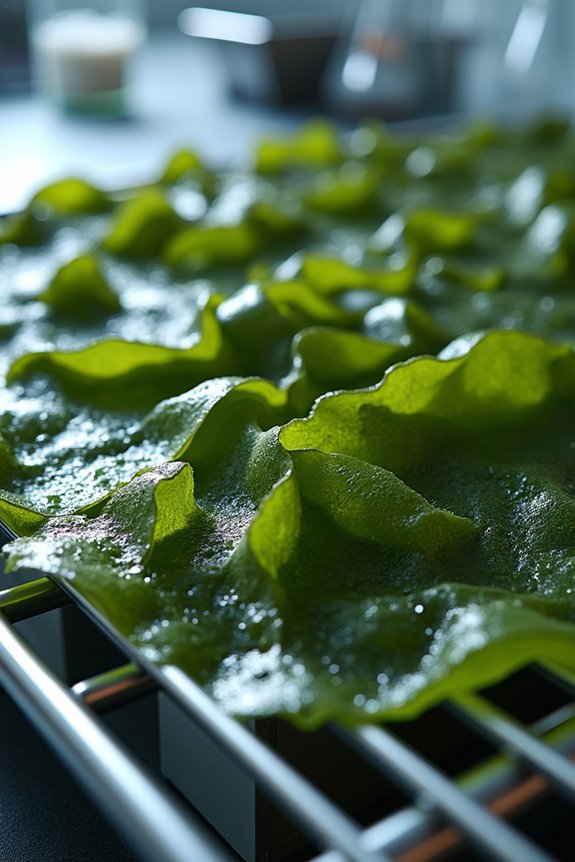
When you’re bringing seaweed into your kitchen, there’s something important you should know before you sprinkle it into your soup or snack on it straight from the package—some seaweeds can contain heavy metals like inorganic arsenic, mercury, cadmium, and lead that’ve accumulated from the ocean environment.
Some seaweeds can contain heavy metals like inorganic arsenic, mercury, cadmium, and lead accumulated from the ocean environment.
Here’s what I’d check before buying:
- Look for sourcing/origin labels showing where it’s harvested
- Request safety testing results from reputable brands
- Avoid hijiki due to UK advisories about high inorganic arsenic
- Check iodine content on packaging for balanced nutrition
- Follow regulatory guidance by choosing independently tested products
The FDA doesn’t pre-review seaweed supplements, so you’re doing important detective work. I recommend choosing brands with transparent sourcing information and verified testing. It takes an extra minute, but it’s worth protecting your family’s health.
How to Verify Vegan Certification and Source Quality
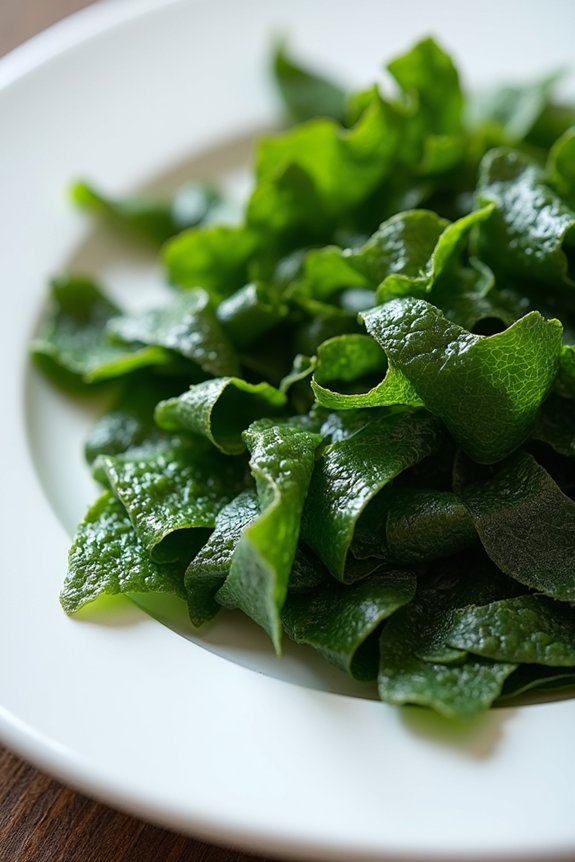
When you’re shopping for seaweed, I look for trusted third-party vegan seals like VEGANOK or Certified Vegan right on the package, which tells me the product’s clean and animal-free. You’ll also want to check where that seaweed came from—I prefer ocean-farmed or sustainably harvested varieties with clear labeling showing the harvest location, because knowing your source means knowing you’re getting quality stuff. Reading the ingredients list carefully helps too, since some processing aids can sneak in animal products where you’d least expect them.
Certification Standards And Labels
How do you know if that seaweed snack is truly vegan? I’ll walk you through finding trustworthy labels that actually mean something.
When you’re shopping, look for these certification markers:
- Vegan certification logos from recognized certifiers displayed on packaging
- Explicit labeling statements confirming no animal-derived processing aids were used
- Sourcing transparency showing harvest location and whether it’s ocean-farmed or wild-harvested
- Batch numbers and harvest dates that prove traceability and ethical sourcing
- Full ingredient lists revealing any hidden vegan additives or supplements
I recommend checking brands like Nautical Farms that clearly communicate their standards. Don’t skip the fine print—sometimes sneaky non-vegan additives hide there. Certification standards matter because they guarantee what you’re eating aligns with your values. You’ve got this!
Sourcing Sustainable Seaweed Farms
Beyond those certification logos I mentioned, you’ll want to dig deeper into where your seaweed actually comes from—because not all ocean farms are created equal. I look for seaweed sourcing details like the country of origin and specific farm names (think Nautical Farms), which tell me whether producers care about traceability. Sustainable farms minimize freshwater use and avoid unnecessary pesticides, actually helping oceans thrive. When you’re checking labels, hunt for third-party certifications like Marine Stewardship Council approval—these validate that aquaculture practices genuinely protect marine ecosystems. I also verify heavy-metal testing disclosures, since seaweed absorbs what’s in water. Finding farms that share this transparency? That’s how you join a community of thoughtful eaters protecting our oceans while nourishing ourselves.
Where to Buy Quality, Sustainably Harvested Seaweed
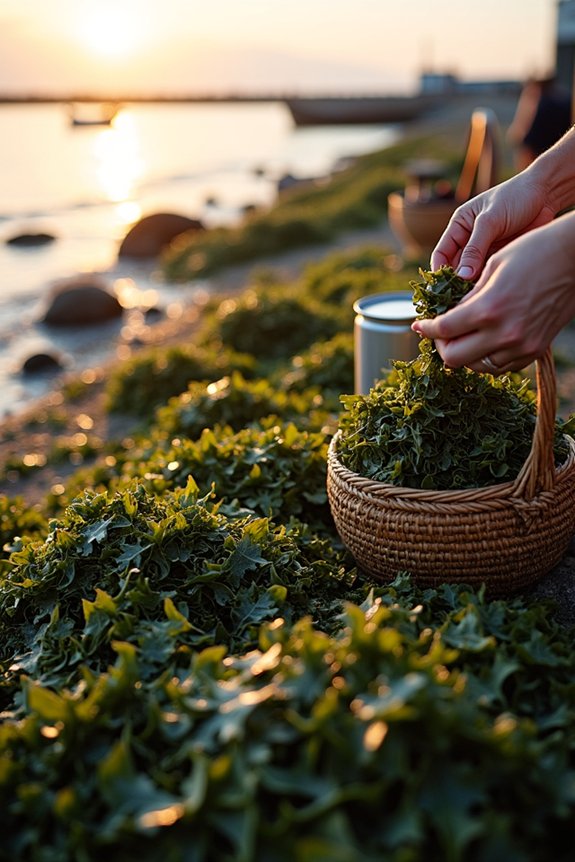
Finding seaweed that’s both good for you and good for the ocean—where do you even start? I’ve learned that knowing where to shop makes all the difference. You’ll want to hunt for retailers that prioritize sustainably harvested seaweed with clear sourcing information on their labels.
Here’s what I look for when I’m shopping:
- Health food stores carrying brands with transparent ingredient lists
- Online specialty shops offering batch-specific nutritional data and iodine content details
- Asian markets displaying product forms like nori sheets, wakame, or flakes
- Co-ops and farmers markets where vendors know their suppliers personally
- Reputable brands publishing harvest locations and sustainability certifications
I always check whether the company discloses where they’re sourcing their seaweed. Avoiding vague sourcing means you’re supporting ocean-friendly farming. You’ve got this!
Spotting Red Flags When Buying Seaweed Products
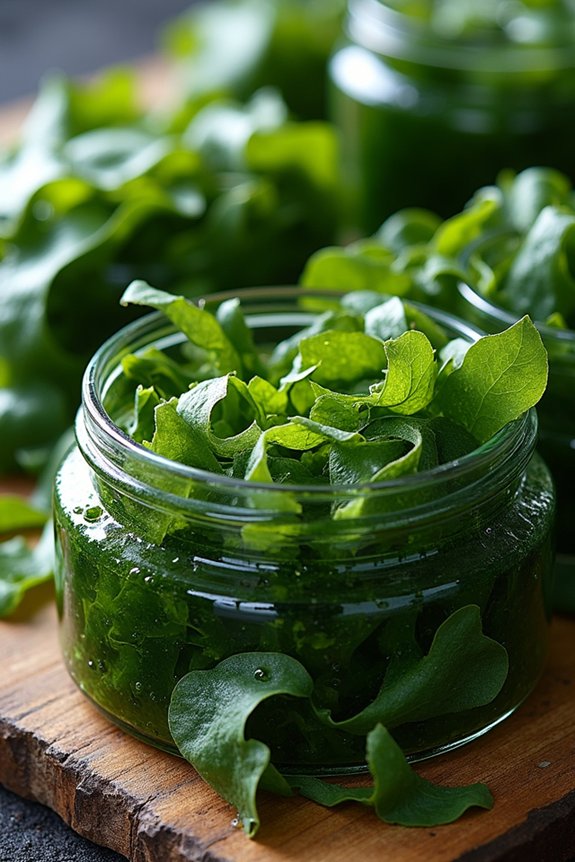
When you’re standing in the store comparing seaweed products, what should actually make you pause? First, check the labeling for vegan certification—some processing aids aren’t plant-based. Next, examine the sourcing origin carefully; you want to know exactly where it came from. Watch out for high iodine content in varieties like kombu, which can affect your thyroid with regular eating. Look for third-party testing results showing heavy metals like arsenic and cadmium levels. Don’t confuse “crisp seaweed” snacks (often just greens) with actual seaweed sheets or flakes. Finally, verify the seaweed type and form matches what you’re actually buying. These details matter because they directly impact your health and values.
How to Use Seaweed in Your Everyday Meals
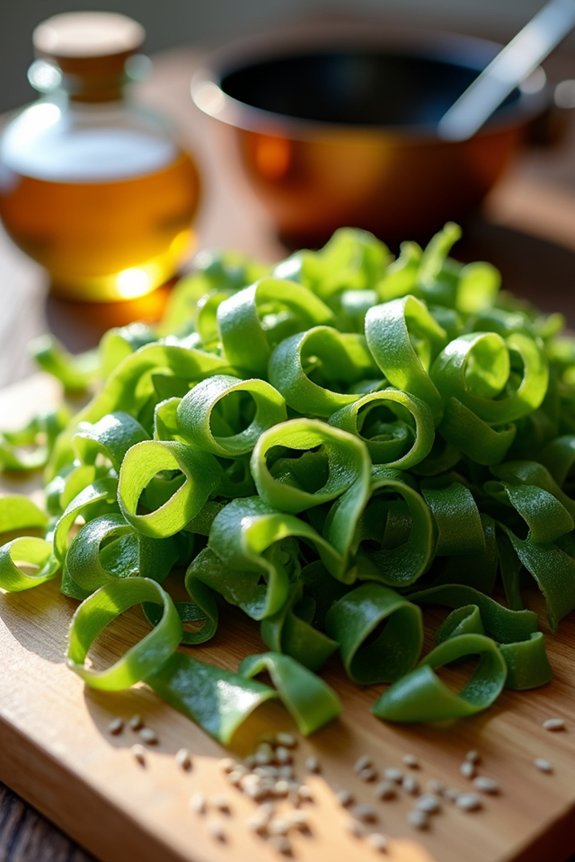
You’d be surprised how easy it is to slip seaweed into meals you’re already making—no special skills required. I’ve found that different seaweed varieties work beautifully in countless dishes, and the preparation and safety steps are simple once you know them.
Here’s how I use seaweed in my everyday cooking:
- Sprinkle nori flakes on rice bowls or popcorn for instant umami
- Stir wakame into soups during the last minute of cooking
- Crumble dulse into salad dressings for salty depth
- Add kombu to bean dishes while they simmer
- Mix powdered seaweed into smoothies for minerals and iodine content
I always soak dried varieties first to rehydrate them properly. Start small with portions since seaweed varieties have different iodine levels, and moderate intake keeps your thyroid happy. You’ll quickly discover which types become your kitchen staples.