On keto, I’d keep added sugar as close to zero as possible since you’re working with just 20–50 grams of net carbs daily. Even small amounts can spike your blood glucose and flip you out of ketosis pretty fast. If you’re craving sweetness, I’d reach for monk fruit or erythritol instead—they won’t budge your carb count. The tricky part? Hidden sugars lurk in sauces and yogurt, so checking labels matters. Your personal tolerance varies, and testing your blood glucose helps you find your threshold.
Your 20–50g Carb Limit: Where Sugar Fits In
So the following: when you’re doing keto, you’ve got a pretty tight carb budget—usually between 20 to 50 grams of net carbs per day—and sugar’s gotta squeeze into that same space as everything else you eat. I know that sounds tough, but it’s doable once you understand how it works.
When you calculate net carbs, you subtract fiber from total carbs. Added sugars count fully toward your daily carb limit, so they’ll eat up your budget fast. Here’s where it gets real: if you’re not careful with sugar intake, you’ll bump yourself out of ketosis before you know it.
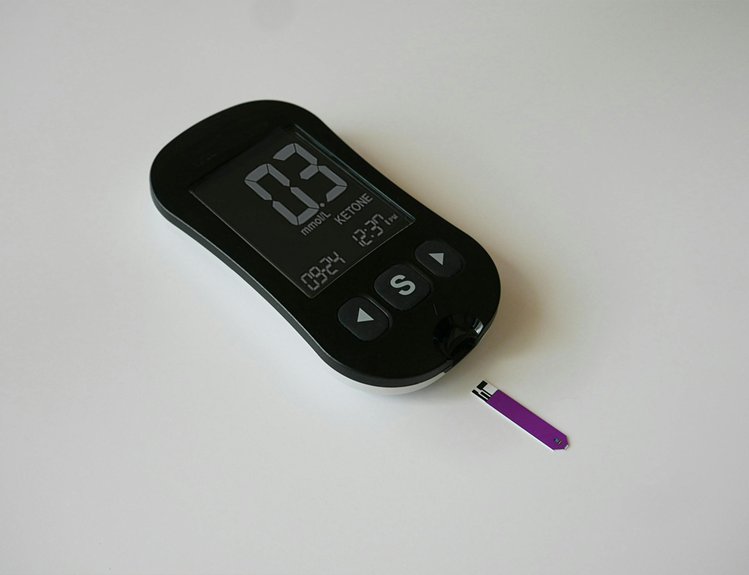
That’s why ketosis testing matters. Everyone’s different, so I’d recommend checking your blood glucose and ketone levels regularly. This tells you exactly how much sugar keeps you in that sweet spot on your low-carb diet.
Why Sugar Kicks You Out of Ketosis
Ever wonder why even a small spoonful of sugar can derail your whole keto plan? Here’s the thing: when you eat sugar, your blood glucose spikes immediately. Your body recognizes that glucose and shifts into overdrive, releasing insulin to handle it. That’s the problem—insulin tells your body to stop burning ketones and start burning glucose instead.
Since you’re working with just 20–50 grams of net carbs daily, even tiny amounts of sugar push you over. Hidden sugars lurking in sauces, yogurt, and processed foods make ketosis disruption sneakily easy. Once sugar intake hits, your body exits ketosis within hours. Getting back? That takes several hours to days, depending on how your metabolism responds and what you eat next. It’s worth staying vigilant.
Hidden Sugars in Everyday Keto Foods
Where are the sneaky carbs hiding in your kitchen? I’ve discovered that hidden sugars lurk everywhere—not just in desserts. Let me share what I’ve learned:
- Savory sauces and condiments contain fructose and dextrose you’d never expect
- Whole milk and certain cheeses pack lactose that adds up quickly
- Packaged foods list sugar alcohols like erythritol, requiring careful tracking
- Ingredient labels reveal “-ose endings” signaling hidden sugars
When calculating net carbs on keto, I read labels religiously. Those hidden sugars still raise your daily carb tally even when they don’t taste sweet. Sugar alcohols might have reduced net carbs, but they still count toward your limits. We’re all in this together, so staying vigilant about keto labels keeps us on track. You’ve got this.
Test Your Personal Sugar Tolerance on Keto
How does your body actually respond when you eat sugar on keto? I’d suggest testing your personal sugar tolerance by monitoring your blood glucose and ketone levels after consuming specific amounts of added sugar. Start with aiming for 20–50 net carbs daily, then gradually introduce small sugar portions while tracking your body’s response.
If your ketone levels drop or spike in blood glucose occurs, you’ve found your limit—tighten up accordingly. I’ve found that repeated testing with different keto-friendly sweeteners versus table sugar reveals what works for my body. Keep added sugar close to zero grams when possible, and you’ll maintain ketosis reliably. Think of it like adjusting a recipe until it’s just right for your taste.
Best Sugar Substitutes That Keep You in Ketosis
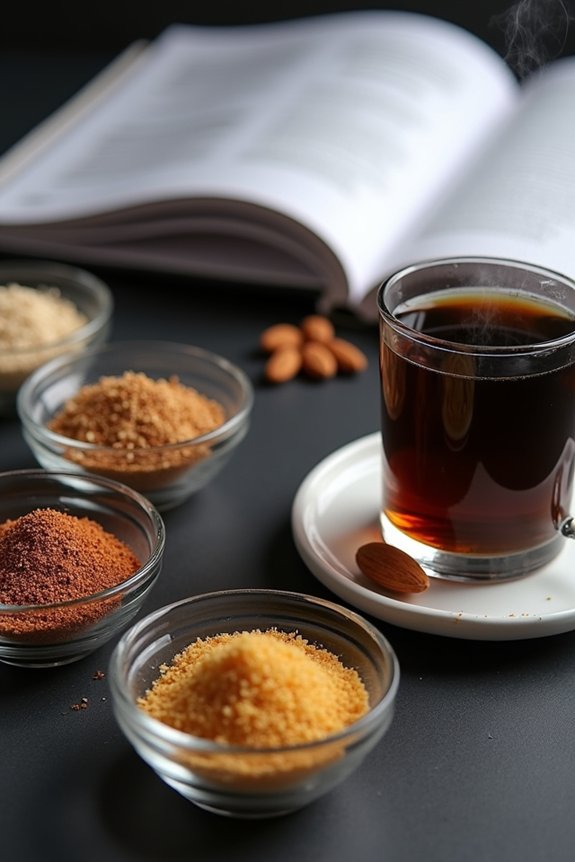
I’ve tested plenty of sweeteners on my keto journey, and I’ve learned that natural options like stevia and monk fruit won’t kick you out of ketosis, while sugar alcohols like erythritol give you that sweetness without the carb overload. The trick I’ve discovered is blending monk fruit with erythritol or allulose—it mimics regular sugar’s taste way better than using either one alone, and you’re keeping your net carbs super low. Just watch out for xylitol (it’s got more carbs than you’d think) and go easy on erythritol in big amounts unless you want digestive drama.
Natural Sweeteners For Keto
When you’re cutting carbs, finding the right sweetener can feel like discovering gold—and honestly, you’ve got some solid options that won’t kick you out of ketosis.
I’ve found that natural sweeteners make staying on keto way easier. Here’s what works best:
- Stevia – zero calories, zero net carbs, and won’t spike your blood sugar
- Monk fruit sweetener – a natural choice with zero calories and no blood sugar impact
- Allulose – about 90% fewer calories than sugar with minimal glucose effects
- Erythritol – a sugar alcohol with near-zero calories (just watch portions to avoid digestive upset)
I’d skip xylitol on keto since it contains 2.4 grams of net carbs per teaspoon. These natural sweeteners help you enjoy treats while staying in ketosis, making your sugar-free journey feel less like sacrifice and more like smart eating.
Sugar Alcohols Explained
Sugar alcohols sound like they’d be a keto dieter’s dream, right?—and they’re pretty close, but here’s the thing: they’re actually carbohydrates that just happen to hit your body differently than regular sugar. I find erythritol and allulose my go-to picks because they contain only 0.2–0.4 g net carbs per gram, barely nudging your ketosis. Xylitol and maltitol? They’re trickier—maltitol packs about 2–3 g net carbs per gram, which can derail your progress if you overdo it. Here’s what I’ve learned: watch your portions. Erythritol’s generally well-tolerated, though too much causes digestive upset. The beauty is you’re part of a community discovering what works for your body. Track those net carbs, experiment carefully, and you’ll find your sweetness sweet spot without sacrificing ketosis.
Comparing Carb Counts
So what makes one sweetener keto-friendly and another a ketosis-killer? It all comes down to net carbs and how they affect your body.
I’ve found that comparing carb counts helps me stay on track:
- Stevia and monk fruit – zero net carbs, zero calories (my go-to picks)
- Allulose – roughly 0.4 g net carbs per gram equivalent with sugar-like taste
- Erythritol – near-zero carbs but watch portions to avoid digestive trouble
- Xylitol – about 2.4 g net carbs per tablespoon (use sparingly)
Here’s the thing: sugar alcohols and zero-calorie sweeteners aren’t all created equal. Some hidden sugars sneak carbs past your defenses, while smart sugar substitutes keep ketosis humming along. I’ve learned that reading labels matters more than ever—those carb counts determine whether you’re supporting your goals or sabotaging them.
Natural vs. Artificial Sweeteners: Which Works Best?
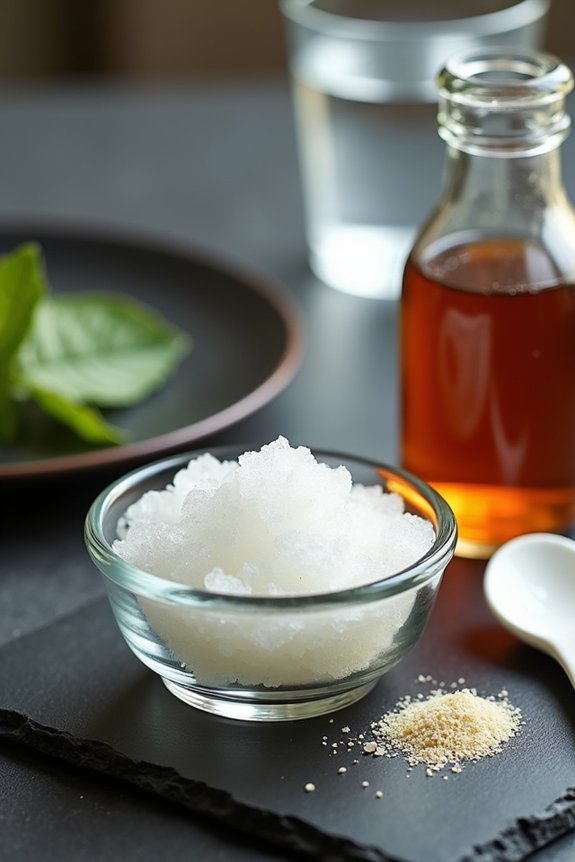
How do you pick the right sweetener when you’re trying to stay in ketosis? I’ve found that natural sweeteners like stevia and monk fruit are my go-to choices because they deliver sweetness without spiking your blood glucose. They’re zero-calorie sweeteners that won’t kick you out of ketosis.
That said, artificial sweeteners like sucralose work too—they’re incredibly sweet and have minimal glycemic impact. The trade-off? Some people notice aftertastes.
Sugar alcohols deserve attention here. Erythritol keeps your net carbs low, though large amounts might upset your stomach. Xylitol’s trickier since it contains more carbohydrates and can affect blood glucose levels for certain folks.
My honest take: start with natural options, experiment with what your body tolerates, and track how each sweetener affects your ketosis. Everyone’s different, and that’s perfectly okay.
What Happens When You Eat Too Much Sugar on Keto?
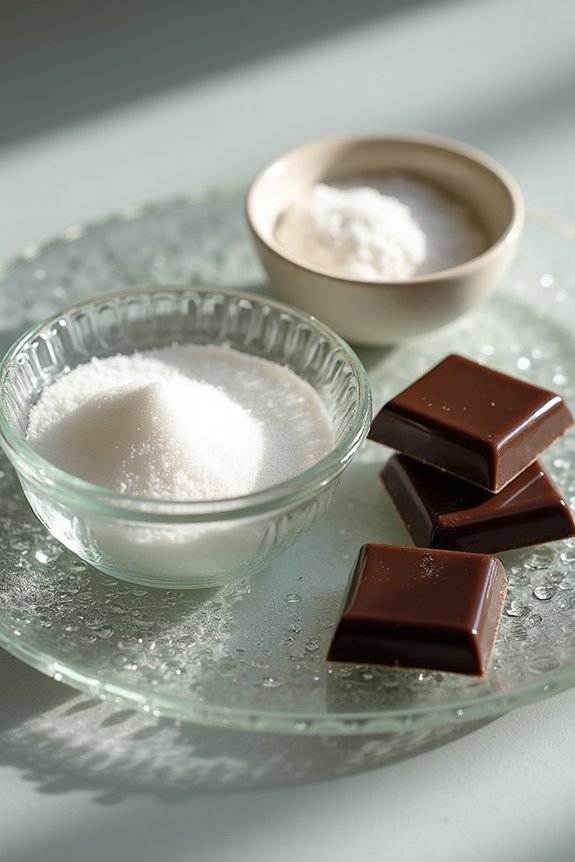
When you eat too much sugar on keto, your body flips a switch from burning fat to burning glucose for energy, which kicks you right out of ketosis. Your blood sugar spikes, your body pumps out insulin to handle it, and then you crash hard—leaving you hungry, cranky, and craving more carbs (it’s a rough cycle). Getting back into ketosis after a sugar slip-up can take a few days, and you might feel pretty awful during that time with what folks call “keto flu.”
Ketosis Interruption and Glucose Switch
Your body’s got a pretty straightforward preference system: when you flood it with sugar, it’ll ditch ketones and switch back to glucose like flipping a light switch.
Here’s what happens during that sugar spike:
- Blood glucose rises quickly, signaling your body to abandon ketone production
- Insulin response kicks in, suppressing fat burning and slowing weight loss
- Ketosis interruption occurs, knocking you out of that metabolic sweet spot
- Re-enter ketosis takes days, though it’s typically faster than your initial entry
That glucose as primary fuel switch derails your progress, but here’s the encouraging part: occasional sugar slips won’t wreck your long-term goals if you stay within daily carbs and keep them non-habitual. You’re building sustainable habits, not chasing perfection.
Blood Sugar Spikes and Crashes
Here’s what happens: you eat sugar, your blood sugar spikes, then crashes, leaving you hungrier than before. You’re fighting against your body’s natural signals while trying to maintain ketosis and hit your net carbs target. It’s exhausting.
Those repeated sugar overloads damage your insulin sensitivity over time too, making ketosis maintenance harder. Your body stops responding as well to insulin, which means reaching and staying in ketosis becomes increasingly difficult. That’s why keeping sugar minimal protects both your energy levels and your weight loss goals.
Beat Sugar Cravings: 5 Tactics That Actually Work
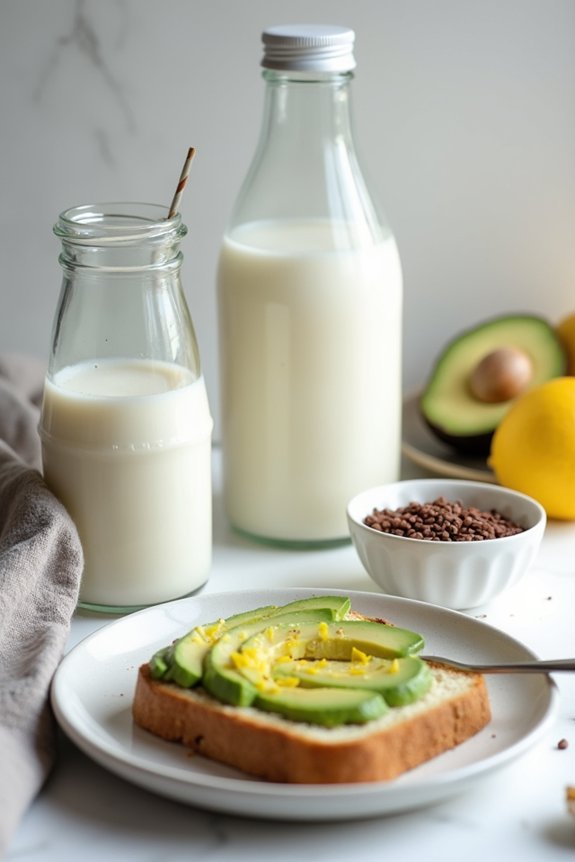
Why do sugar cravings hit hardest when you’re deepest into keto? Your body’s adjusting, and that’s totally normal. I’ve found these five tactics genuinely work when cravings strike:
- Drink water first – Most cravings fade after a tall glass
- Grab a fat-rich snack – Cheese, nuts, or avocado satisfy immediately
- Wait 10–15 minutes – The urge usually passes on its own
- Test your blood glucose and ketone levels – Knowing where you stand keeps you motivated
I track my net carbs religiously and choose keto-friendly snacks sweetened with monk fruit or erythritol instead of sugar alcohols that spike my blood glucose. When I’m honest about what triggers my cravings, I stay in ketosis easier. You’ve got this—we’re all navigating ketosis together.
When You Slip: Getting Back Into Ketosis Fast

So you ate a slice of pizza at lunch—now what? Don’t panic! Getting back into ketosis is actually faster than your initial entry. Most people resume ketone production within 1–3 days by returning to their low-carb plan. Your sugar intake temporarily halted ketosis, but you’ll bounce back quickly.
Here’s the deal: stick to 20–50 grams of carbs daily, and you’re golden. You can monitor your re-entry through blood ketone testing to confirm you’re back on track. Fair warning—you might experience mild keto flu symptoms as your body readjusts to burning ketones again. That’s completely normal and temporary.
The key? Don’t spiral into guilt. One meal doesn’t ruin your progress. Simply resume your routine, stay committed, and you’ll be thriving in ketosis again soon.