Citric acid is vegan because it skips animals entirely. It comes from two places: citrus fruits like lemons (naturally vegan) or from fermenting a mold called Aspergillus niger (also vegan—no animals involved). The chemical makeup is identical either way. Here’s the tricky part: most citric acid today comes from fermentation, but labels don’t always tell you which source was used. If you’re curious about your specific product’s origin and want to make sure it truly matches your values, there’s more to discover about checking labels and asking manufacturers the right questions.
Is Citric Acid Vegan?
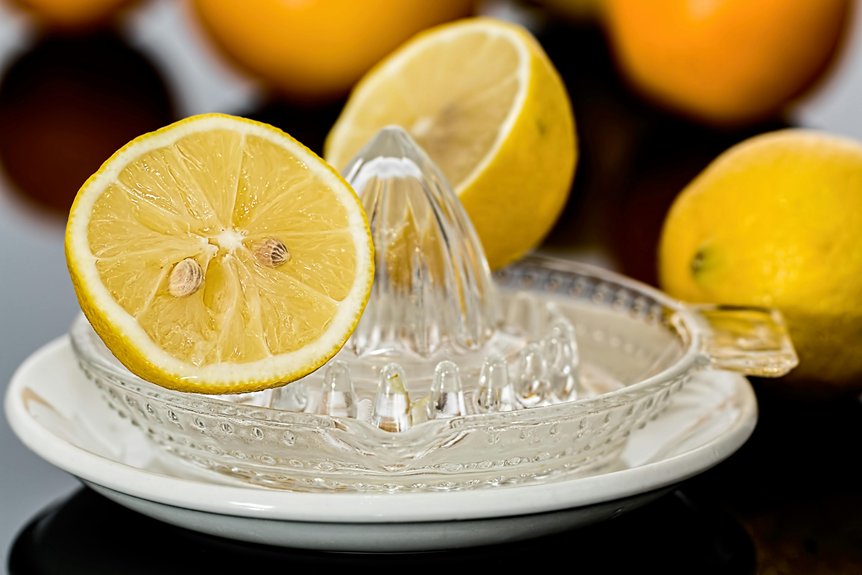
Ever wonder whether that citric acid listed on your favorite food label is actually vegan-friendly? I’ve got good news for you: citric acid is vegan! This organic acid comes straight from citrus fruits like lemons and limes, making it naturally plant-based.
When manufacturers create citric acid vegan products, they use fermentation with a mold called Aspergillus niger. It’s the same stuff nature makes, just produced in a controlled way. The manufactured citric acid has identical chemistry to the natural version—same formula, same results.
If you’re checking whether your specific product qualifies, look for vegan labeling on the package. When in doubt, contact the manufacturer directly. They’ll confirm whether their citric acid vegan ingredients meet your standards. You’re part of a growing community making informed choices about what you consume.
Natural vs. Manufactured Citric Acid: Which Is Vegan?
When you’re checking if citric acid is vegan, where it comes from actually matters—natural citric acid straight from citrus fruits is pretty clearly plant-based, but manufactured citric acid (which makes up about 70% of what we use) gets its vegan status from how it’s made, not the acid itself. The manufacturing process uses a mold called Aspergillus niger to ferment and create citric acid, and while that’s technically plant-derived, some folks worry about mold residues left behind that could affect vegan considerations, especially if you’re sensitive to molds. So here’s the real deal: both types have the same chemical makeup, but your choice between them might depend on how strict your vegan standards are and whether you care about those production-related details.
Production Methods And Sources
Where does citric acid actually come from, and does it matter for vegans?
I’ll break it down for you. Natural citric acid comes straight from citrus fruits like lemons and limes. Manufactured citric acid production, however, uses a tiny mold called Aspergillus niger through fermentation. About 99% of the world’s supply comes this way.
Here’s the good news: both types have the same chemical makeup (C6H8O7), and both maintain their vegan status. The mold itself isn’t an animal product, so citric acid remains plant-based either way. What differs is the source and potential impurities. Natural citric acid might contain fruit residues, while manufactured versions could have trace mold particles.
Neither affects your vegan lifestyle, honestly.
Vegan Status Implications
So here’s the straightforward answer: both natural and manufactured citric acid are vegan. Natural citric acid comes straight from citrus fruits, so that’s clearly plant-based. Manufactured citric acid (MCA) is produced through fermentation using a microorganism called Aspergillus niger, which means it’s also vegan since no animals are involved in MCA production.
Now, I’ll be honest with you: some folks worry about mold residues from manufacturing, but here’s the thing—that’s a safety concern separate from vegan status. The mold residues aren’t what makes something non-vegan; they’re just a potential allergen issue.
Bottom line? You can confidently use either form knowing your vegan status remains solid. Both options work beautifully in your kitchen.
How Manufacturers Make Citric Acid Today
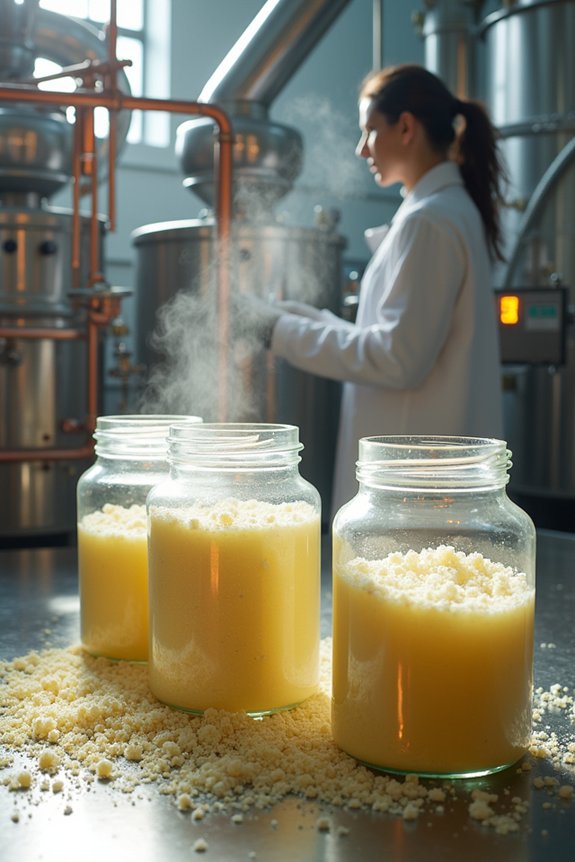
Most citric acid you’ll find today comes from a fuzzy mold called Aspergillus niger, which ferments sugary stuff (like corn syrup or molasses) into the citric acid we use everywhere—from your soda to your soap. I know it sounds a bit odd, but this fermentation method is actually how about 99% of the world’s citric acid gets made, and it’s way more efficient than squeezing lemons by hand. The whole process happens in massive industrial tanks where the mold does the heavy lifting, turning simple sugars into the tart powder that shows up in thousands of products on grocery store shelves.
Aspergillus Niger Fermentation Process
How do factories actually make the citric acid sitting in your pantry? It’s surprisingly simple, really. They use a fuzzy mold called *Aspergillus niger* to do the heavy lifting. Here’s the process: manufacturers feed this mold sugars—often from corn syrup—and it munches away through fermentation, naturally secreting citric acid as a byproduct. Think of it like how yogurt cultures transform milk into something entirely new. The mold works its magic, transforming those simple sugars into the tangy powder you recognize. Once fermentation finishes, they harvest and purify that citric acid for commercial use. About 99% of manufactured citric acid comes from this exact method, making *Aspergillus niger* fermentation the backbone of modern citric acid production worldwide.
Industrial Production And Sourcing
Now that you know *Aspergillus niger* does the actual work, let’s see where your citric acid actually comes from and how it gets to store shelves. Today, manufacturers rely heavily on fermentation processes refined since 1919, when Pfizer helped scale things up. China dominates global production, leading the market with rising consumption expected to boom in the 2020s. Most facilities carefully control fermentation conditions to maintain purity—crucial since even tiny impurities matter when citric acid hits your food. About 70% ends up in foods and beverages you’d recognize, while pharmaceuticals and cleaning products claim the rest. The manufacturing process is pretty standardized worldwide, which means consistency you can count on when choosing your products.
Why Some Sources Use Animal-Free Production
Why’d manufacturers decide to make citric acid without using any animal ingredients? They realized that citric acid production through fermentations using molds like Aspergillus niger didn’t need animals at all. This shift made sense for vegan certification purposes, since companies wanted their products appealing to plant-based consumers.
Here’s what I’ve found: when makers switched to microbial fermentation methods, they could honestly market citric acid as vegan-friendly. No animal byproducts meant no ethical concerns. About 70% of manufactured citric acid now uses these animal-free fermentations, which became the industry standard.
Manufacturers essentially recognized that going animal-free wasn’t just better for vegans—it simplified production while meeting growing consumer demand. It’s genuinely a win-win situation where business goals and ethical values aligned perfectly.
How to Check Product Labels for the Source
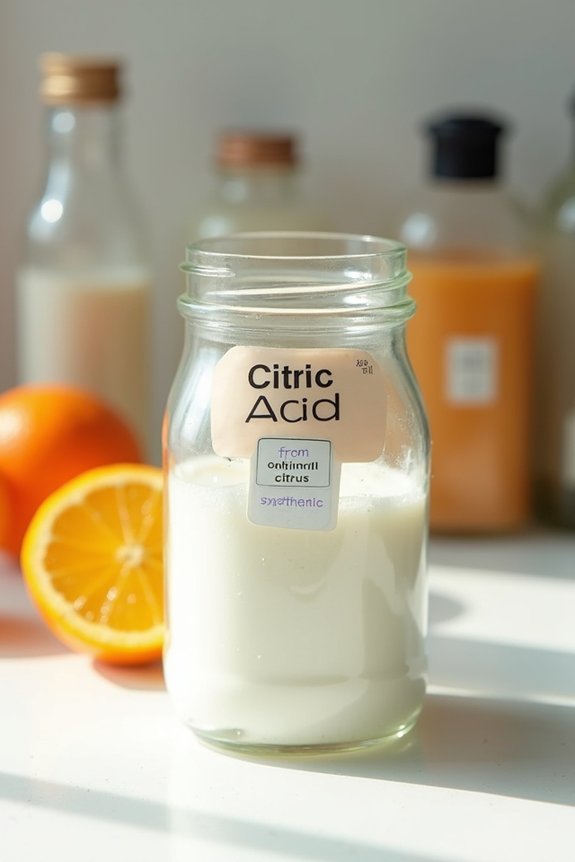
When you’re standing in the grocery aisle squinting at a label, here’s the thing: citric acid doesn’t always tell you its own story. Look for words like “plant-derived” or “plant-based”—that’s your green light for vegan sourcing. Check the production method too; mentions of “microbial fermentation” or “Aspergillus niger” signal manufactured citric acid (which is typically vegan). Here’s my trusted approach: scan for certified vegan labels first—they’ve done the homework for you. If you find just plain “citric acid” with no sourcing details, don’t stress. Reach out to the manufacturer directly; most respond quickly. You’re not being picky—you’re being intentional about vegan labeling and citric acid sourcing. That’s exactly the kind of informed choice our community appreciates.
What Should You Ask Manufacturers?
Once you’ve decided to reach out—and I really do think you should—here’s exactly what to ask.
First, inquire about citric acid production methods. Ask whether they’re using fermentation with Aspergillus niger or sourcing from actual citrus fruit. This distinction matters tremendously for vegan status.
Next, request details about manufacturing transparency. Specifically, ask if mold residues or byproducts could create allergen risks. Don’t hesitate asking about ochratoxin A—it’s a legitimate concern.
Then, ask for written confirmation about their vegan status policy. Request specifics on purification steps and impurity profiles.
Finally, ask whether they hold GRAS certification and possess third-party safety data. A reputable manufacturer won’t mind providing these details in writing. You’re simply being a thoughtful consumer—nothing wrong with that.
Do Certified Vegan Labels Guarantee the Source?
After you’ve sent those questions to manufacturers, you might be wondering if there’s an easier shortcut—like just looking for a certified vegan label on the package.
Here’s the thing: certified vegan labels help, but they won’t tell you everything you need to know about your citric acid source.
Certified vegan labels help, but they won’t tell you everything you need to know about your citric acid source.
- A certified vegan label reduces concerns about animal ingredients
- Labels don’t always disclose whether citric acid is natural or manufactured
- Manufactured citric acid comes from fermentation, not lemons or limes
- Some suppliers use MCA derived from Aspergillus niger fungus
- You still might need direct manufacturer contact for specifics
Think of it like this: the certified vegan stamp gives you peace of mind, yet it’s not a complete roadmap. You’re joining a community that cares deeply about knowing what’s truly in their food—and that means sometimes doing a little extra investigating yourself.
Plant-Based Alternatives if You Want to Avoid It
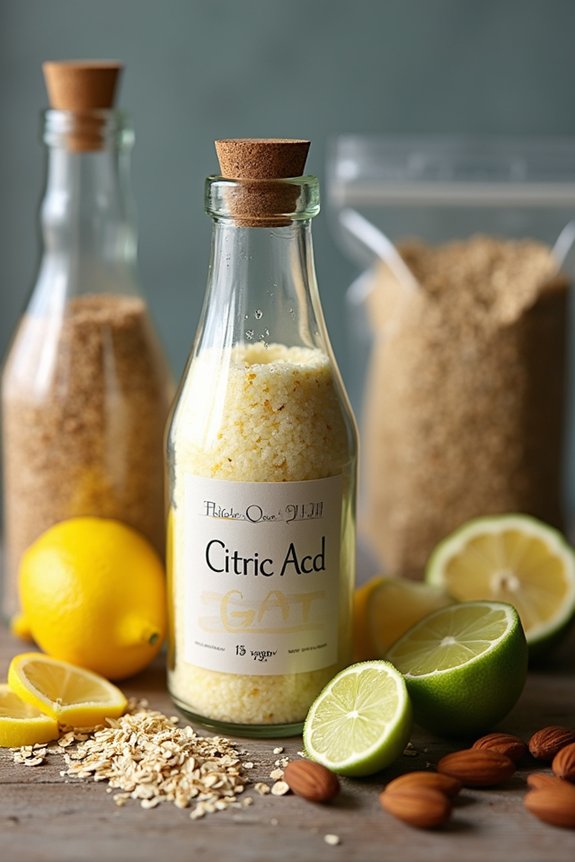
What if you’d rather skip manufactured citric acid altogether? I completely understand, and I’ve got great news for you.
Fresh lemon juice and lime juice are your best friends here. They give you that same tangy punch without any question marks about citric acid vegan status. I squeeze half a lemon into recipes needing acidity, and honestly, the flavor boost is fantastic.
For plant-based alternatives that work beautifully, natural citrus acids from actual fruit are genuinely superior. They preserve your vegan commitment while adding genuine citrus taste. You’re not just swapping ingredients; you’re upgrading your dish’s flavor profile.
Start with one tablespoon of fresh lemon juice per teaspoon of citric acid you’d normally use. Adjust based on your taste preferences because fresh juice varies in strength. Your cooking stays completely plant-based, and you’ll feel confident about every ingredient.
Aspergillus Niger in Citric Acid: Is It Safe?
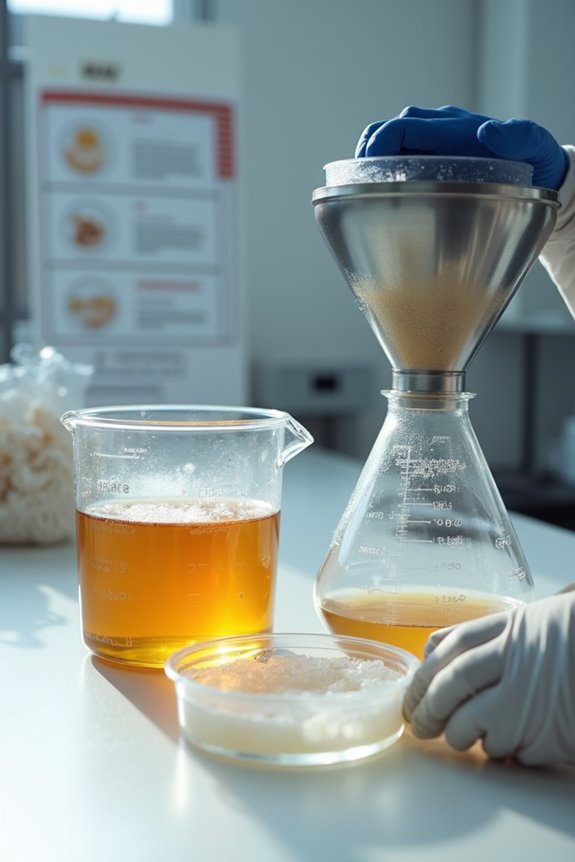
manufactured citric acid comes from fermenting a mold called Aspergillus niger, and honestly, that single fact can make people nervous.
I get it—the safety concerns around citric acid production feel real because they are worth discussing:
- A. niger is a potent allergen that can trigger breathing problems in susceptible folks
- Toxins like ochratoxin A may contaminate the fermentation process
- Some people report inflammatory symptoms after consuming MCA-containing foods
- Long-term safety studies for high exposure remain limited
- The FDA classifies MCA as “generally recognized as safe” (GRAS)
Here’s my take: while regulatory agencies consider it safe, your individual sensitivity matters. If you’ve noticed reactions to manufactured citric acid, trusting your body isn’t overreacting—it’s smart self-awareness.