
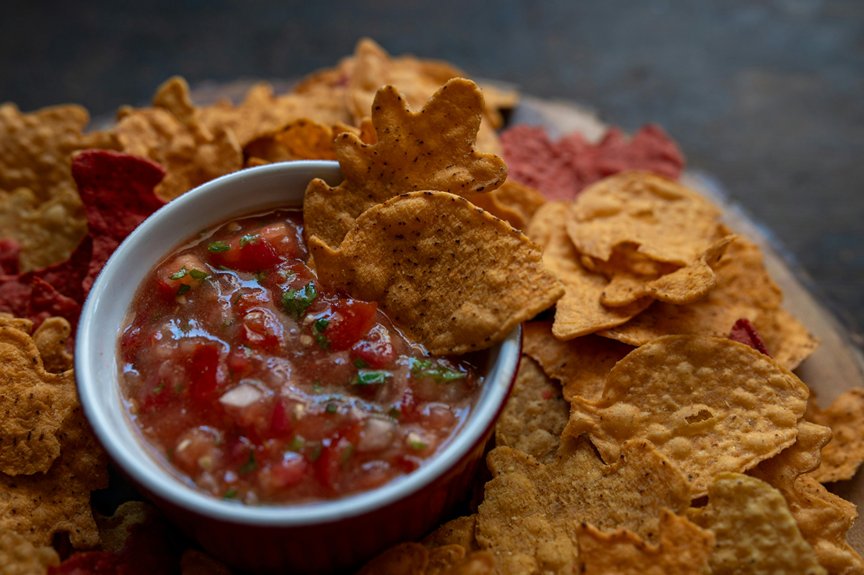
Salsa’s your covert tool here—it’s loaded with vitamins and fiber but clocks in at just 10 calories per two tablespoons, so it won’t derail your day. The catch? Chips alone spike your blood sugar fast, leaving you hungry soon after. Pair them with protein like beans or cheese, though, and you’ve got a snack that actually keeps you satisfied. There’s more nuance to this than most people realize.
Are Chips and Salsa Healthy? What the Science Says
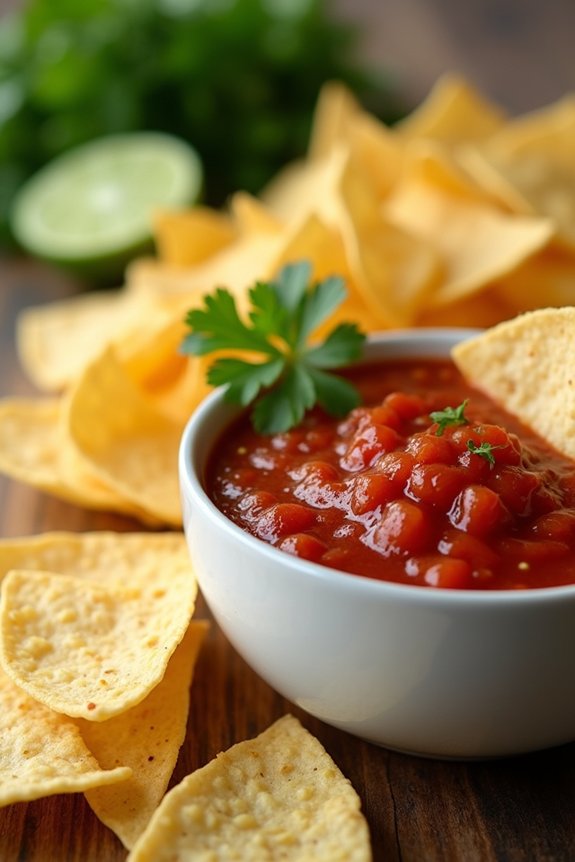
So the key point: salsa is basically the hero of this snack combo. I’ve learned that salsa packs only 5–20 calories per 2 tablespoons while delivering real nutrients, making it the nutritional winner here. The chips, though? They’re a different story. A typical serving has 140–160 calories, loads of fat, and barely any fiber or protein. When I eat 24 chips with half a cup of salsa, I’m looking at 350–400 calories—mostly from chips. Here’s what matters: salsa alone won’t spike your blood sugar like chips will. But pair them together, and you’re getting that satisfying combo we all crave. The trick is knowing what you’re actually eating and making smarter choices about which chips you choose.
What Makes Salsa So Low-Calorie and Nutrient-Dense
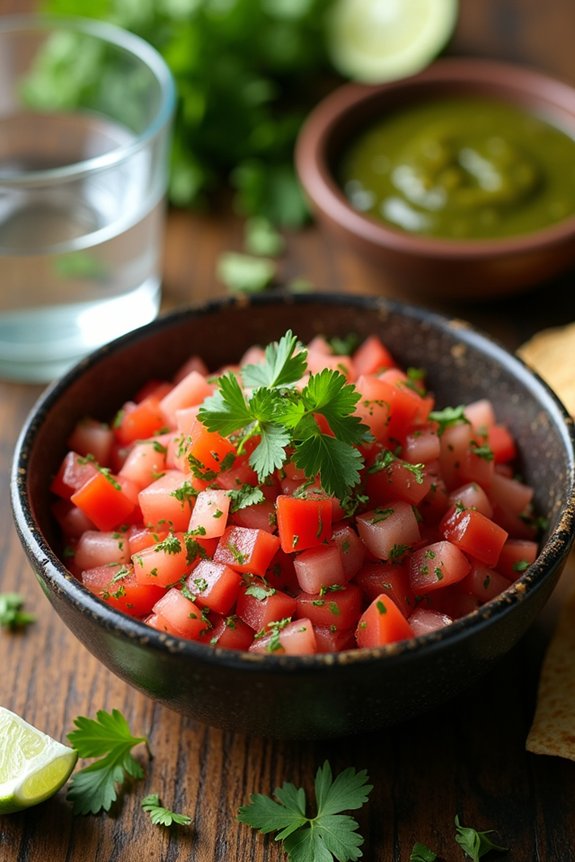
Why is salsa such a nutritional powerhouse when it’s practically just chopped vegetables? I’ll tell you—it’s all about what’s actually in there. Two tablespoons of salsa contains only about 10 calories, making it incredibly low-calorie for a flavor-packed dip. The magic comes from fresh tomatoes, onions, peppers, and cilantro delivering salsa vitamins like vitamin C and powerful antioxidants.
Here’s what really gets me excited: tomatoes provide lycopene, an antioxidant that supports heart health and blood vessel function. Fresh salsa keeps more vitamin C intact, while cooked versions boost lycopene availability—you’re getting complementary benefits either way. Plus, those vegetables add fiber that supports your gut health. You’re essentially getting nutrient-dense nutrition without breaking your calorie bank. That’s why I keep salsa on hand constantly.
How Tortilla Chips Spike Your Blood Sugar
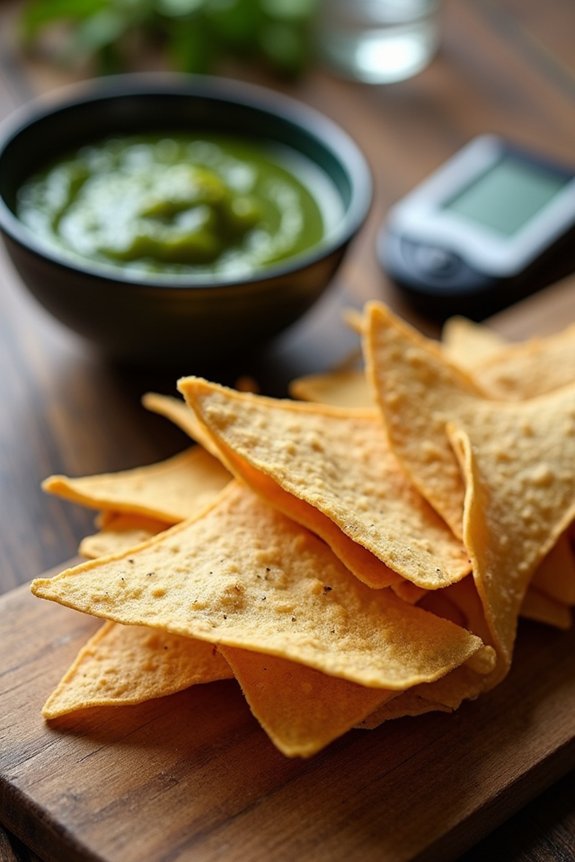
Now, here’s the thing about tortilla chips that nobody wants to hear: while salsa’s practically a nutritional superhero, those crispy chips you’re dunking into it? They’re quietly spiking your blood sugar. One ounce of fried tortilla chips contains refined carbs that your body digests super fast—raising your glucose within 30 to 60 minutes. That rapid insulin response triggers hunger and cravings, making you reach for more. Here’s why: chips are often fried in omega-6 oils like canola, which can mess with how your body handles blood sugar. Without protein or fat alongside them, you’re setting yourself up for a glucose rollercoaster. The good news? Pair those chips with salsa and add some guacamole or cheese. That combo stabilizes your blood sugar and keeps you satisfied longer.
Fried vs. Baked Chips: Which Causes Less Inflammation
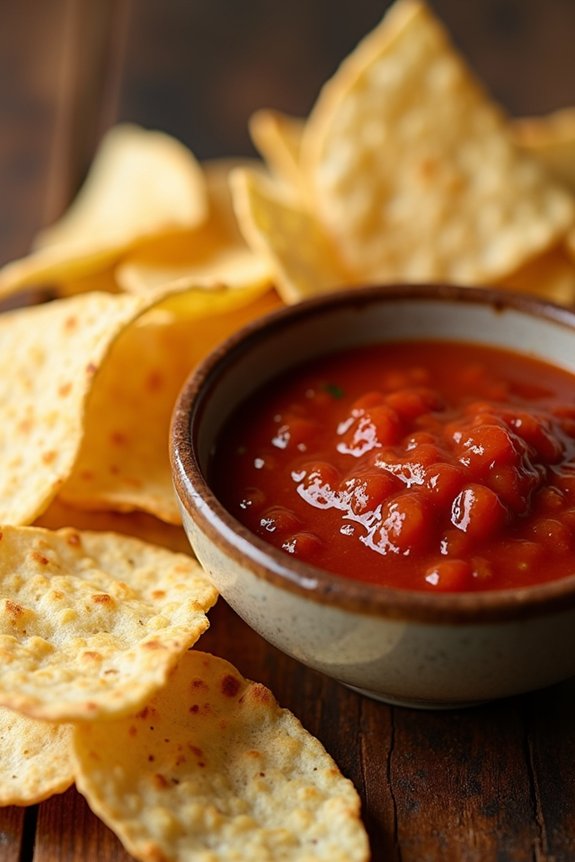
Ever wonder why your body feels different after eating a handful of fried chips versus baked ones? I’ve noticed the difference too. Fried chips are cooked in omega-6–rich oils like canola and soybean oil, which actually promote inflammation in your body. Baked chips? They’re gentler on your system because they contain way less fat. Now, here’s the catch—baked chips often pack more sodium and added starches, so they’re not perfect either. The real win is choosing minimally processed options made with avocado or olive oil instead. When I pair any chip with salsa, protein, or healthy fat, I slow down how quickly my blood sugar spikes. Small swaps like these genuinely help me feel better throughout the day.
Here’s How Much Chips and Salsa You Can Actually Eat
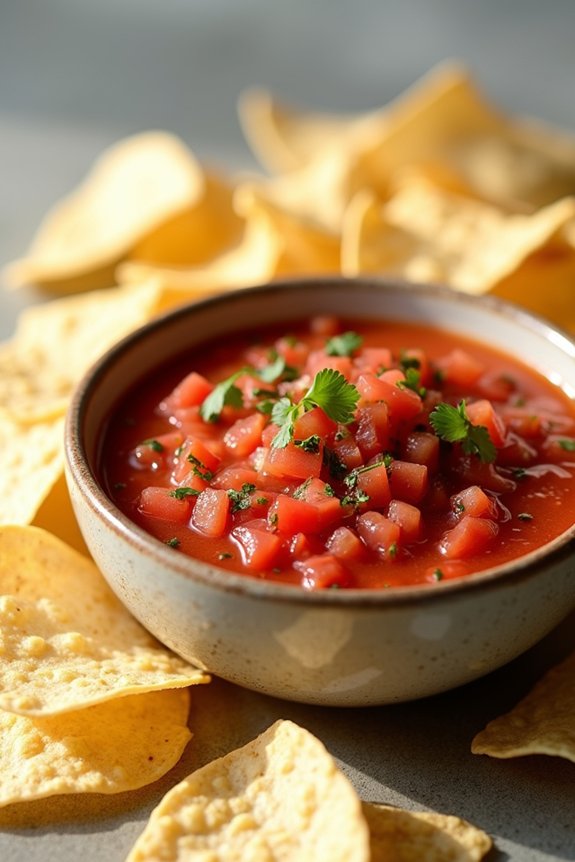
Once you’ve picked your chip option, the question becomes: how much can you actually enjoy without derailing your health goals? I’ve found that portion control makes all the difference. A standard serving size of chips is just one ounce—about 10-15 chips—containing 140-150 calories. When I pair 24 chips with ½ cup salsa, I’m looking at 350-400 calories total, with salsa adding minimal impact at only 10 calories per two tablespoons.
| Portion | Chips | Salsa | Total Calories |
|---|---|---|---|
| Light snack | 10-15 | 2 tbsp | 150 |
| Moderate serving | 24 | ½ cup | 375 |
| Restaurant size | 40-60 | 1 cup | 800+ |
I’d suggest sticking with the moderate serving while adding protein or healthy fat nearby—it’ll keep you satisfied longer.
Pair Chips With Protein to Slow Blood Sugar Spikes
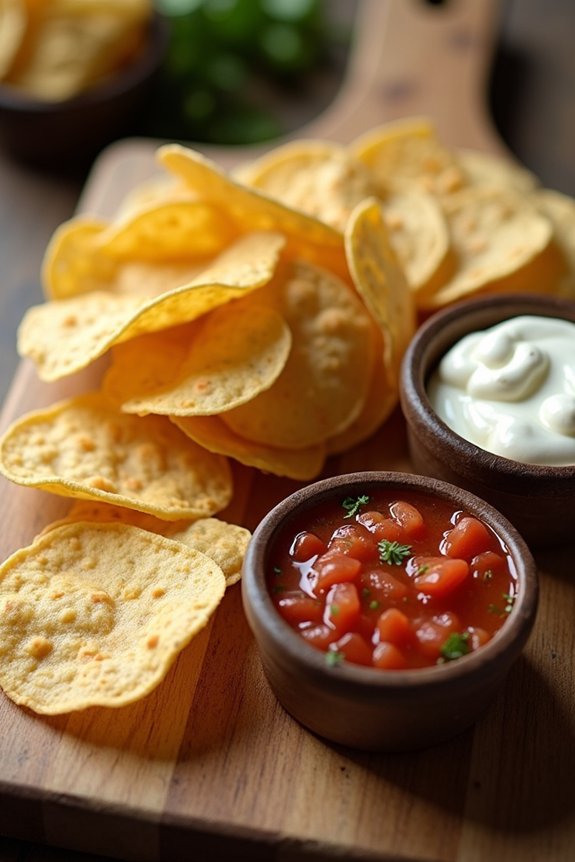
The real magic happens when you add protein to your chips-and-salsa snack. I’ve discovered that pairing your chips with protein sources like beans, cheese, or yogurt-based dips genuinely transforms how your body handles glucose control. Here’s why: protein slows down how quickly your stomach empties, which means your blood sugar won’t spike dramatically like it would with plain chips and salsa alone.
When I enjoy about 1 ounce of chips with a protein-rich dip, my glucose levels stay stable for hours afterward. The protein moderates my insulin response, keeping those energy crashes at bay. For even better results, I choose dips with healthy fats and fiber too. You’re not just eating a snack—you’re supporting your body’s natural balance and joining others who’ve discovered this game-changing approach.
When to Swap Chips for Veggies or Legumes
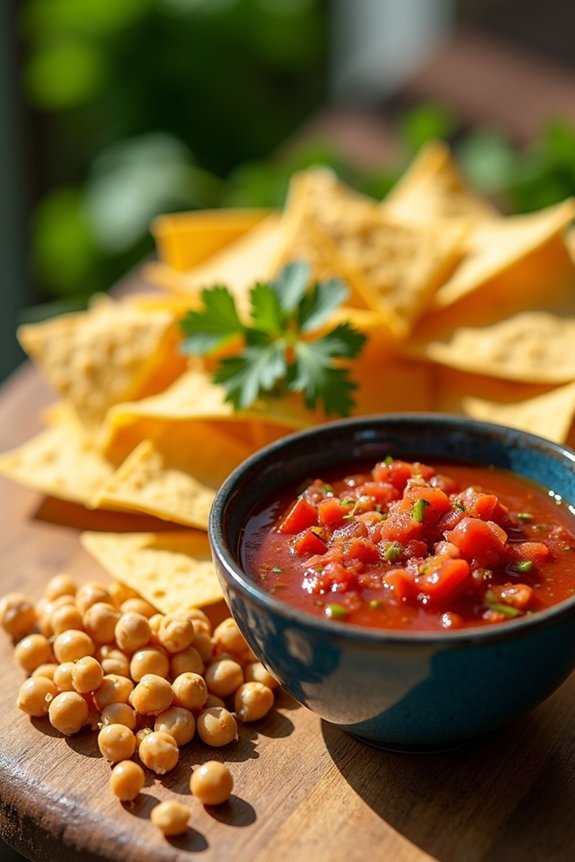
If you’re looking to cut back on calories and refined carbs, swapping chips for veggie sticks like bell peppers, cucumbers, and carrots is a game-changer—they’ve got under 50 calories per cup and way more volume to fill you up. Legume-based options like hummus or bean dips bring plant-based protein and fiber to the table, which means they’ll slow down how fast your body absorbs the salsa’s sugars. When you do want that satisfying crunch, you can still grab baked or low-sodium chips without the heavy oils and excess salt.
Vegetable-Based Alternatives
Why stick with the same old chip-and-salsa routine when you can eat more food for fewer calories? I’ve discovered that vegetable-based swaps let me enjoy bigger portions without guilt. Bell peppers, cucumbers, and carrots aren’t just lower in calories—they’re loaded with fiber that keeps me satisfied longer.
| Vegetable | Calories (1 cup) | Fiber Content | Best with Salsa |
|---|---|---|---|
| Bell pepper strips | Under 50 | High | Yes |
| Cucumber rounds | Under 20 | Moderate | Yes |
| Carrot sticks | Under 50 | High | Yes |
| Celery sticks | Under 15 | Moderate | Yes |
Swapping chips transforms my snacking. I’m getting crunch, flavor, and nutrition—plus I can eat way more volume. That’s the belonging feeling we’re after: enjoying food freely while nourishing our bodies.
Legume Chip Benefits
Legume chips deserve a spot in your snacking rotation, and here’s why: they pack way more protein and fiber than traditional corn tortilla chips, which means you’ll feel fuller longer and won’t experience those blood sugar crashes that leave you reaching for seconds. I’ve noticed that swapping regular chips for legume chips actually changes how satisfied I feel after snacking.
Since legume chips contain higher fiber content, they slow down how quickly your body absorbs carbs. You’re getting iron, magnesium, and potassium too—nutrients your body genuinely needs. Plus, they’re usually baked instead of deep-fried, so you’re consuming fewer inflammatory oils and calories overall.
When you pair these nutrient-dense legume chips with salsa, you’re creating a snack that supports your appetite control while keeping that satisfying crunch we all love.
Your Gut Health and Blood Sugar Response
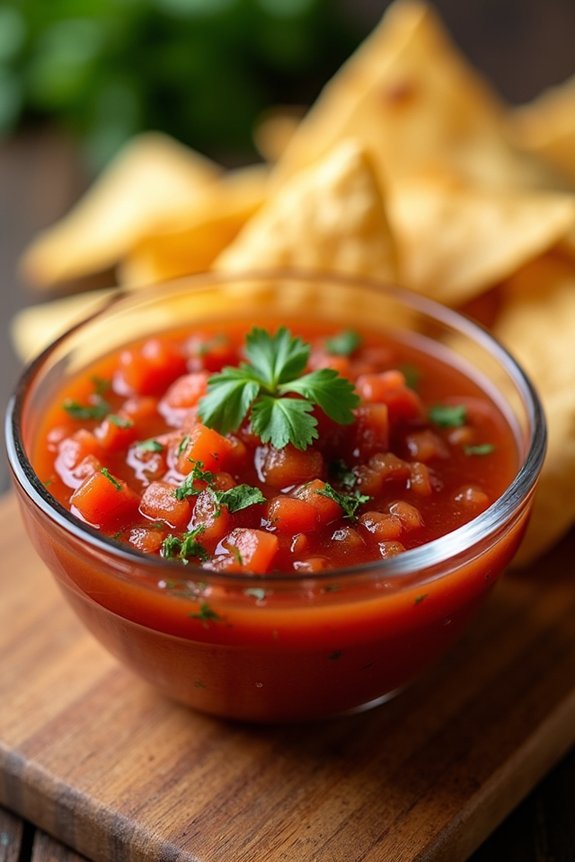
When you eat chips and salsa, your body’s blood sugar response depends largely on what you’re snacking on—the salsa’s fiber helps slow down digestion, while the refined carbs in chips cause a quicker spike that can leave you feeling tired later. I’ve noticed that tracking how you feel after different snack combos (energy level, hunger return time) gives you real clues about which foods actually work for your gut and metabolism. The inflammatory oils in fried chips can also throw off your digestive balance, so swapping even half your chip portion for veggies or bean-based options helps keep inflammation down and your microbiome happy.
Microbiome Composition And Metabolism
Your gut bacteria are like tiny workers inside your digestive system, and they’re constantly deciding how your body will handle the chips and salsa you’re eating—especially regarding managing blood sugar and energy levels. Here’s the thing: when you choose baked chips over fried ones, you’re actually protecting your microbiome composition. Fried foods shift your bacteria toward less helpful types, but salsa’s vegetables act as prebiotics—fuel that feeds your good bacteria like Akkermansia muciniphila. These beneficial bugs improve how your metabolism extracts energy from carbohydrates and fats. Fermented salsa ingredients add probiotics too, enhancing your gut’s ability to keep you satisfied longer. So when you pair quality chips with veggie-rich salsa, you’re essentially giving your digestive workers the tools they need to regulate your blood sugar naturally.
Blood Sugar Stability Tracking
How does your body actually react when you munch on chips and salsa? Here’s the deal: chips alone spike your blood sugar fast, leaving you hungry soon after. But when you pair them with salsa and add protein or healthy fat, something magic happens. Your body slows down glucose absorption, keeping your blood sugar steady and cravings at bay.
I’ve noticed tracking my response matters. A standard snack of 24 chips with half a cup of salsa hits around 350–400 calories, mostly from chips. Fresh salsa retains vitamin C, which helps reduce inflammation, while cooked salsa boosts lycopene availability for better health benefits.
The secret? Don’t go solo with chips. Combining them with salsa and protein creates balance, stabilizing your energy levels throughout the day.
Inflammatory Response And Digestion
Since chips are fried in oils loaded with omega-6 fats, they can actually spark inflammation in your body—especially when you’re munching handfuls without anything to slow things down. Here’s where salsa becomes your alternative weapon: that fiber from tomatoes and peppers genuinely matters for your digestion. The fiber slows how fast food moves through your stomach, which means your blood sugar stays steadier and inflammation doesn’t spike as quickly.
When you pair chips with salsa, you’re not just making it taste better—you’re actually helping your gut work smarter. The tomatoes in cooked salsa boost something called lycopene, which supports healthy digestion and fights inflammatory responses. Fresh salsa keeps vitamin C intact, another gut-friendly bonus.
Think of fiber as your digestive friend: it keeps everything moving smoothly and prevents those inflammatory surges that leave you feeling sluggish.
Make Better Chips and Salsa at Home
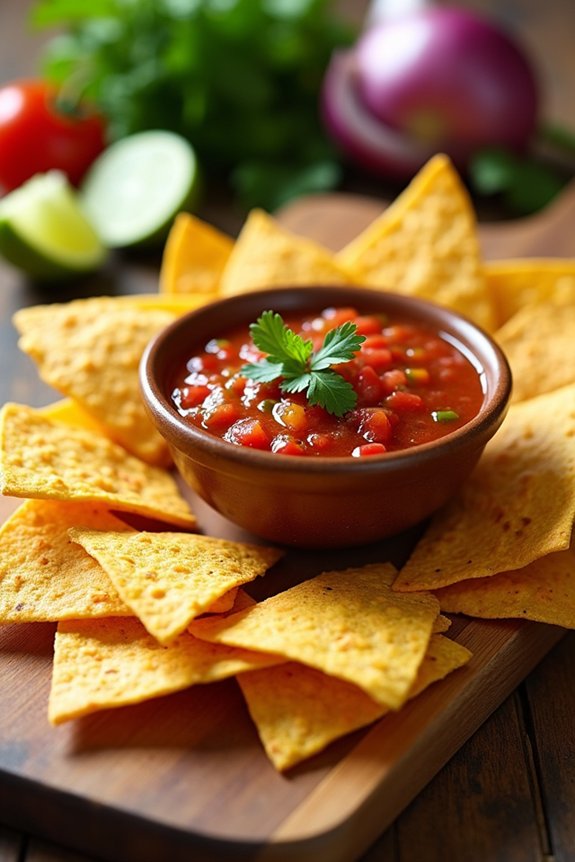
What if I told you that the crunchiest, most satisfying chips and salsa could actually be better for you than the store-bought version? You’ve got this.
Start by making baked chips yourself—thinly slice tortillas, brush them lightly with oil, sprinkle cumin or cayenne, then bake until crispy. Skip the deep fryer entirely.
Next, whip up fresh salsa with tomatoes, onions, peppers, and cilantro. This keeps all those vitamins intact and tastes amazing. Bulk it up with beans or corn for extra fiber.
Here’s the real game-changer: portion control. Aim for about one ounce per serving (roughly 10-15 chips), then pair them with your salsa. This combo slows how quickly your body absorbs glucose, keeping you satisfied longer.
You’re creating something genuinely delicious and nourishing together.