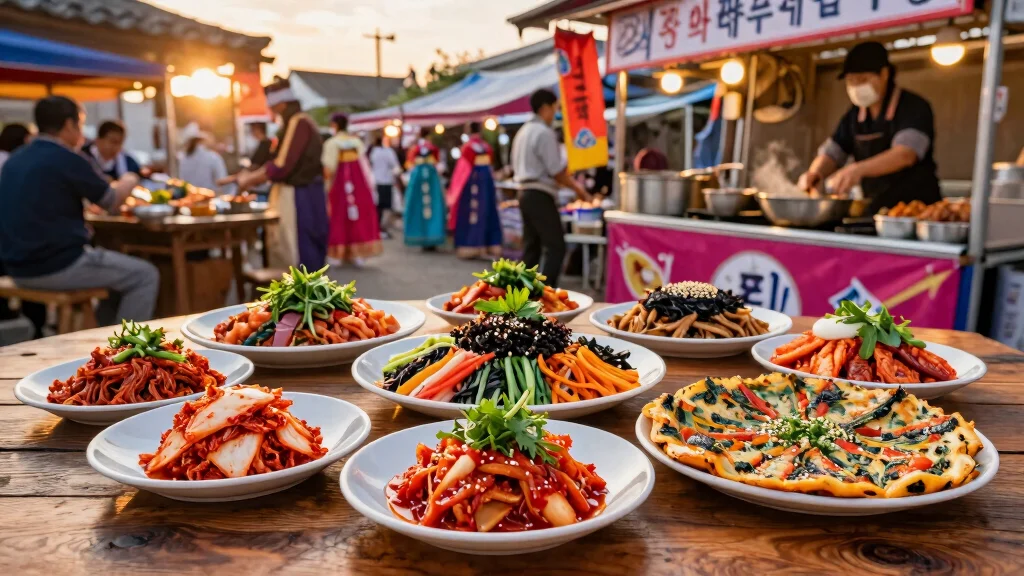
Korean cuisine has a way of captivating the taste buds, and the bold flavors are simply irresistible. If you’re on the lookout for dishes that are not just delicious but also meat-free, you’re in for a treat! I created this post because I want to show you that vegetarian food can pack a punch just like its meaty counterparts. Whether you’re a dedicated vegetarian, curious about plant-based meals, or just someone who enjoys a good meal, these recipes will satisfy your cravings.
If you love food that’s packed with flavor and spices, this collection will be perfect for you. This blog features 12 Korean vegetarian recipes, each bursting with traditional Korean flavors. You’ll discover dishes that are vibrant, spicy, and utterly satisfying, showing you that plant-based Korean cuisine can be just as exciting as any meaty meal. From crispy Kimchi Jeon to hearty Bibimbap, you’ll find meals that will not only nourish you but also thrill your palate.
Get ready to explore these vibrant vegetarian street food recipes that are sure to impress your family and friends. Each recipe is crafted to deliver bold flavors while being healthy and satisfying. So, whether you’re whipping up a quick lunch or hosting a dinner party, these dishes will shine on your table and keep everyone asking for more.
Key Takeaways
– Discover 12 Korean vegetarian recipes that offer bold flavors and are perfect for satisfying your cravings while being plant-based.
– Each recipe showcases traditional Korean flavors, allowing you to enjoy authentic dishes without meat.
– Enjoy vegan Korean dishes that are both healthy and delicious, making it easy to include more vegetables in your diet.
– These recipes are ideal for various occasions, whether you need a quick meal or want to impress guests with your cooking skills.
– Each dish is designed to be flavorful and exciting, proving that spicy vegetarian recipes can be just as fulfilling as their meaty versions.
1. Kimchi Jeon (Kimchi Pancakes)
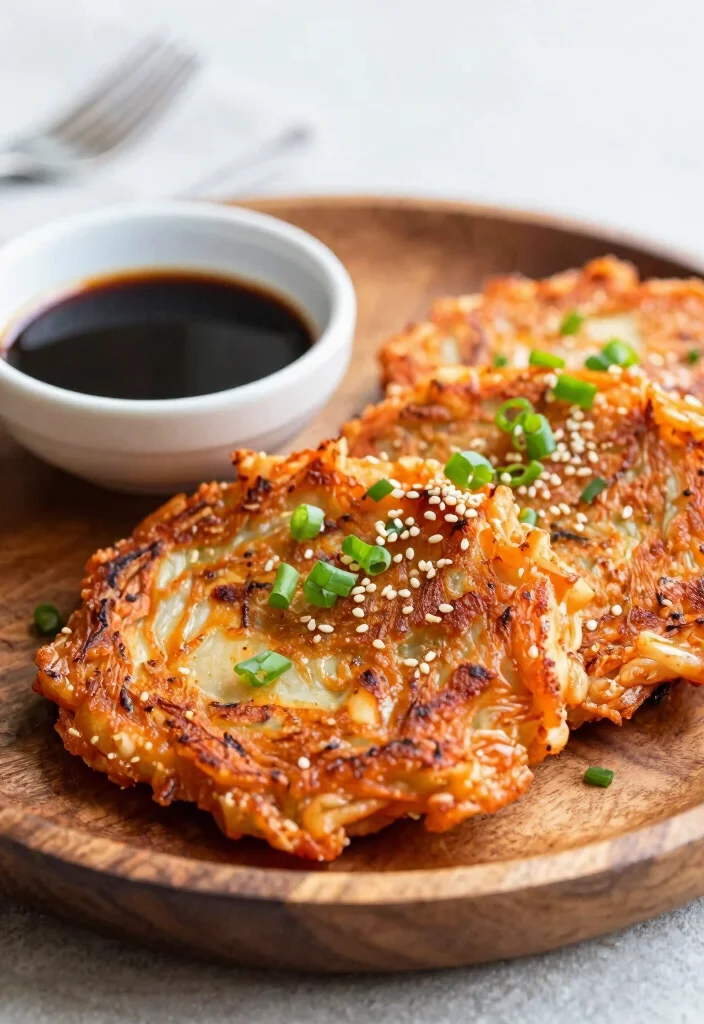
Craving a crispy snack that packs a punch? Kimchi Jeon, or kimchi pancakes, offer a delightful crispy exterior with a tangy interior that’s simply irresistible. Made from fermented kimchi and a simple batter, they are not only tasty but also a fantastic way to use up leftover kimchi. Pair them with a spicy dipping sauce for an unforgettable treat that’s perfect as an appetizer or snack!
These pancakes are versatile too; you can add scallions, zucchini, or other vegetables to amp up the flavor and nutrition. Serve them hot and enjoy the satisfying crunch and zesty kick of kimchi!
Ingredients:
– 1 cup of chopped kimchi
– 1 cup of all-purpose flour
– 1/2 cup of water
– 1/4 cup of chopped scallions
– 1 tsp of soy sauce
– Oil for frying
1. In a bowl, mix the kimchi, flour, water, scallions, and soy sauce until combined.
2. Heat a non-stick skillet over medium heat and add a drizzle of oil.
3. Pour a ladle of the batter into the skillet and spread it out into a circle.
4. Cook for 3-4 minutes on each side until golden brown and crispy.
5. Remove from the skillet and slice into wedges.
6. Serve with soy sauce or gochujang for dipping.


– Can I make these gluten-free? Yes, use a gluten-free flour blend.
– How can I store leftovers? Keep them in an airtight container in the fridge for up to 2 days.


Kimchi Jeon (Kimchi Pancakes)
Editor’s Choice






2. Bibimbap (Mixed Rice Bowl)
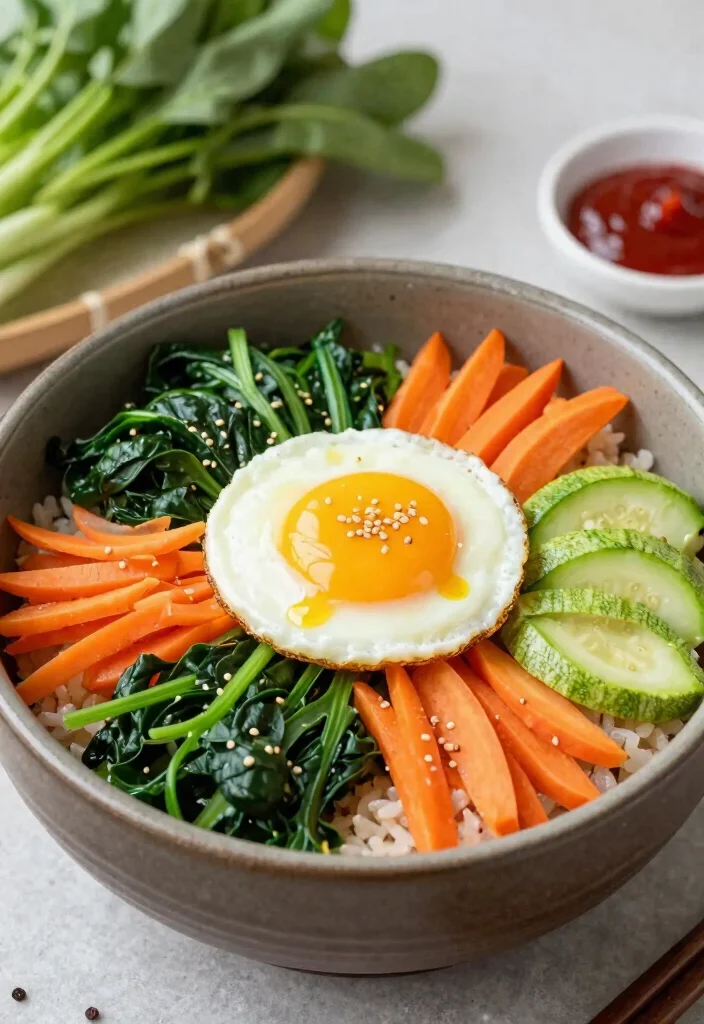
Looking for a colorful and nutritious meal? Bibimbap is the perfect dish that combines vibrant sautéed vegetables, a fried egg, and spicy gochujang, all atop a bed of rice. This dish is not only visually stunning but also a flavorful experience with every bite. You can customize it to fit any dietary preference, making it both satisfying and versatile!
The magic of bibimbap lies in mixing all the ingredients together before eating, creating a delightful burst of flavors that will surely please your palate. Enjoy this wholesome bowl any day of the week!
Ingredients:
– 2 cups of cooked rice
– 1 cup of assorted vegetables (spinach, carrots, zucchini)
– 2 fried eggs
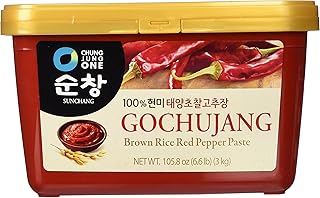
– 2 tbsp of gochujang
– 1 tbsp of sesame oil
– Sesame seeds for garnish
1. Prepare and sauté each vegetable separately until tender, about 3-5 minutes each.
2. In a bowl, place a serving of rice at the bottom.
3. Arrange the sautéed vegetables and a fried egg on top of the rice.
4. Drizzle with sesame oil and add gochujang to taste.
5. Garnish with sesame seeds.
6. Mix everything together before enjoying.


FAQs:
– Can I use brown rice? Absolutely! Just adjust the cook time.
– What if I can’t find gochujang? You can substitute it with miso paste mixed with a bit of chili powder.
Bibimbap (Mixed Rice Bowl)
Editor’s Choice




📹 Related Video: Beginner Friendly EASY Korean Vegan Recipes | One Pan Bibimbap, Sundubu Jjigae, Yachaejeon
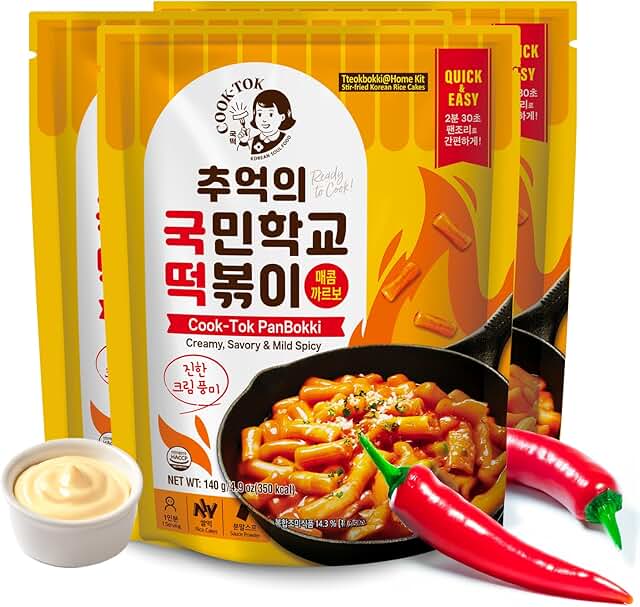
3. Tteokbokki (Spicy Rice Cakes)
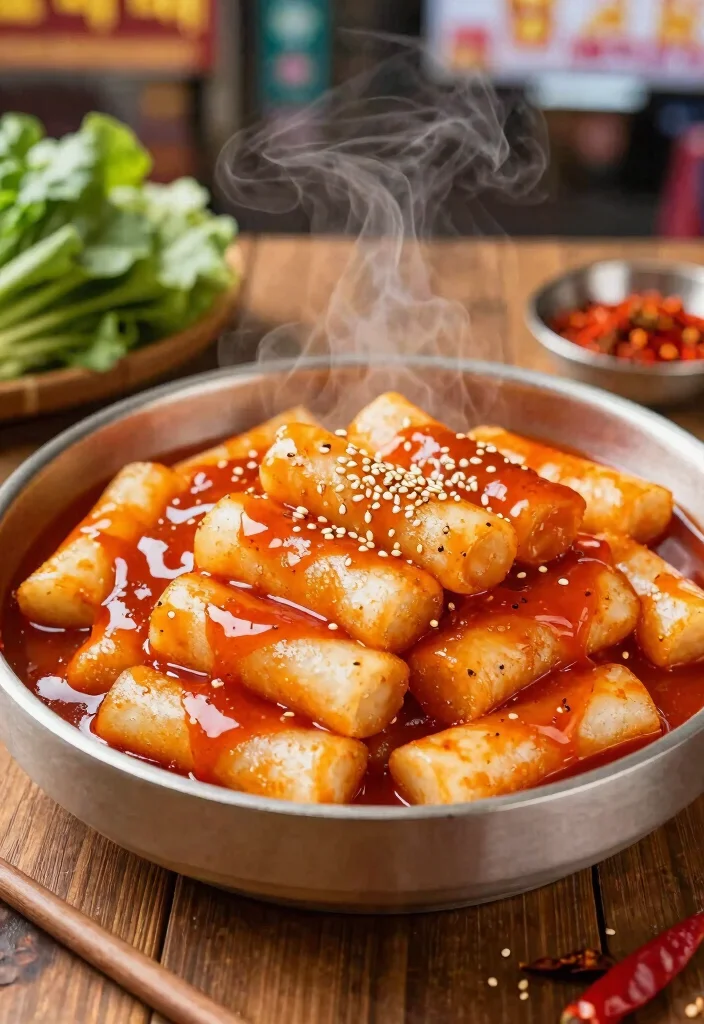
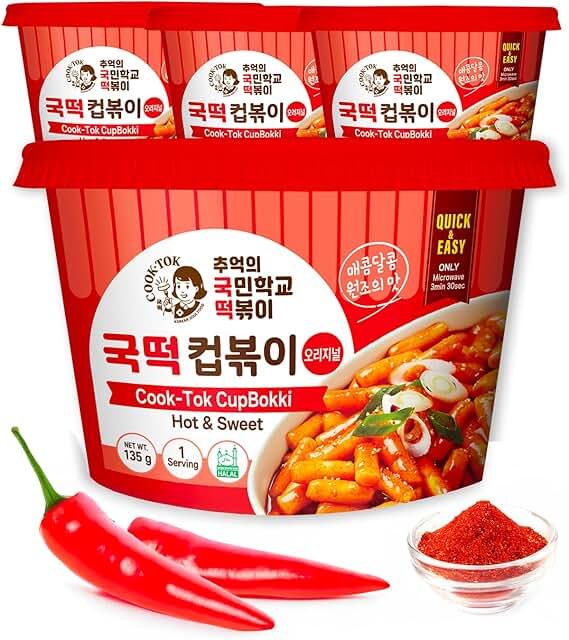
Feeling adventurous and craving something spicy? Tteokbokki is a beloved Korean street food that features chewy rice cakes drenched in a savory and spicy sauce. This dish is not only delicious but also incredibly versatile; you can add vegetables, fish cakes, or tofu for an extra protein boost! The perfect balance of heat and sweetness makes it an addictive treat, ideal for snacking or as an appetizer.
Once you try it, you’ll discover why Tteokbokki is a favorite among food lovers! Enjoy it hot for an authentic experience.
Ingredients:
– 1 lb of Korean rice cakes (tteok)
– 2 cups of water
– 1/4 cup of gochujang
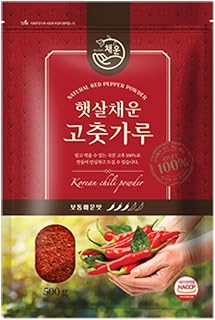
– 1 tbsp of gochugaru
– 1 tbsp of sugar
– 1 cup of sliced onions
– 1 cup of sliced cabbage
– Sesame seeds for garnish
1. In a pot, combine water, gochujang, gochugaru, and sugar. Stir until well mixed.
2. Add the rice cakes and bring to a boil.
3. Add the onions and cabbage, and simmer for about 10-15 minutes until thickened.
4. Stir occasionally to prevent sticking.
5. Serve hot, garnished with sesame seeds.

– Can I use frozen rice cakes? Yes, just thaw before cooking.
– How do I store leftovers? Keep in an airtight container in the fridge for up to 2 days.

Fun fact: Tteokbokki packs 6-8 chewy rice cakes per serving and a punchy gochujang kick. It’s a staple in Korean vegetarian recipes that adapts fast with veggies or tofu for extra protein—weeknight friendly and irresistibly spicy.
Tteokbokki (Spicy Rice Cakes)
Editor’s Choice


4. Japchae (Stir-Fried Glass Noodles)
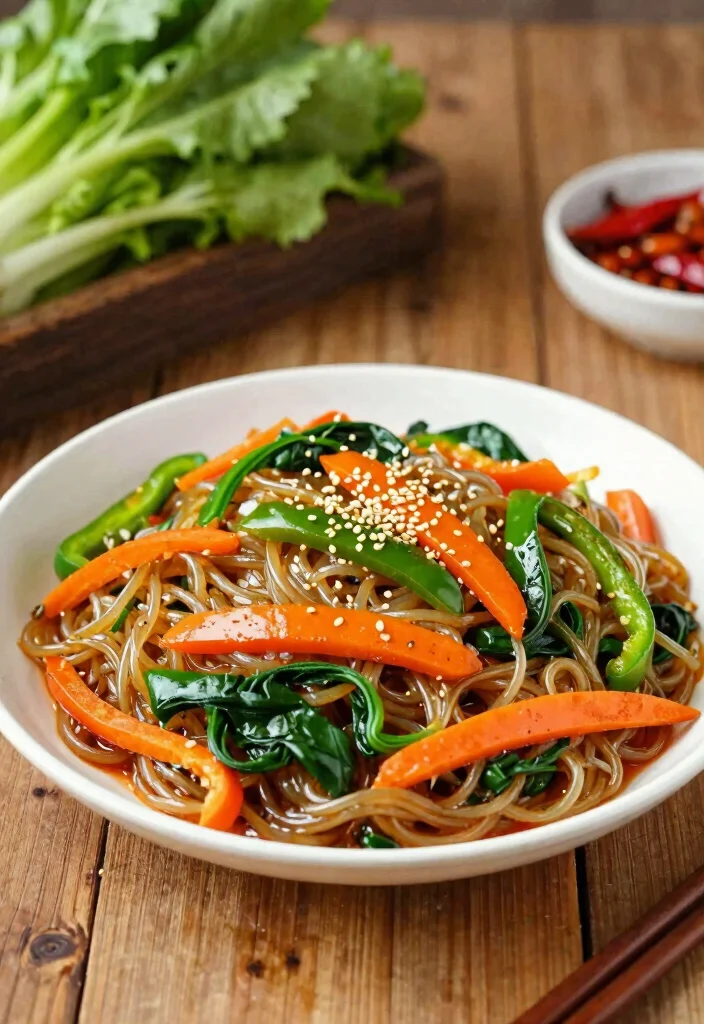
In need of a colorful and flavorful dish? Japchae is a stir-fried noodle dish that brings together sweet potato starch noodles with a medley of sautéed vegetables. It’s naturally gluten-free and offers a delightful chewiness that’s satisfying to eat. The rich flavors come from a savory soy sauce mixture, making it a standout option for main courses or side dishes at gatherings.
This dish is easy to customize, so feel free to add your favorite proteins or vegetables to make it your own!
Ingredients:
– 8 oz of sweet potato noodles
– 1 cup of sliced bell peppers
– 1 cup of shredded carrots
– 1 cup of spinach
– 1/4 cup of soy sauce
– 1 tbsp of sesame oil
– 1 tbsp of sugar
1. Cook the sweet potato noodles according to the package instructions and drain.
2. In a large skillet, heat sesame oil and sauté bell peppers and carrots until tender.
3. Add spinach, cooked noodles, soy sauce, and sugar, mixing well.
4. Stir-fry for another 3-5 minutes until everything is well combined.
5. Serve warm, garnished with sesame seeds if desired.


– Can I refrigerate leftovers? Yes, store in an airtight container for up to 3 days.
– Can you make it in advance? Absolutely! It’s even better the next day.


How To Choose the Best Korean Vegetarian Recipes
When diving into the world of Korean vegetarian recipes, making the right choice can transform your cooking experience. Here are some key points to help guide you in selecting the best dishes for your taste and needs.
1. Flavor Profile
Korean cuisine is known for its bold flavors. Think about whether you prefer spicy, savory, or sweet dishes. Dishes like Tteokbokki offer a spicy kick, while Corn Cheese brings a sweet and creamy flavor. Understanding your flavor preference can help you choose recipes that excite your taste buds.
2. Cooking Methods
Consider how much time and effort you’re willing to invest in cooking. Some recipes, like Bibimbap, require more steps and cooking techniques, while others, like Kimchi Jeon, are quick and easy. If you’re short on time, opt for simple stir-fries or pancakes, which can be prepared in under 30 minutes.
3. Ingredients Accessibility
Before choosing a recipe, check if the ingredients are available in your local grocery store or markets. For example, dishes like Japchae call for glass noodles and various vegetables that might not always be on hand. If you can’t find a specific ingredient, consider recipes that use more common items, such as tofu, carrots, and rice.
4. Health Considerations
Look into the nutritional aspects of each recipe. If you’re aiming for healthy meals, focus on dishes loaded with vegetables and whole grains. Meals like Spicy Korean Tofu Stew can be a great option as they’re rich in protein and fiber. Always think about how each dish aligns with your dietary goals.
5. Cultural Significance
Many Korean dishes have rich histories and meanings. If you’re interested in cultural exploration, choose recipes like Korean Lettuce Wraps (Ssambap), which are a communal dining experience. Understanding the significance behind the dish can enhance your cooking and dining experience.
6. Serve Size and Occasion
Think about how many people you plan to serve. Some recipes, such as Vegetable Kimbap, are great for sharing and are perfect for gatherings. Others might be better suited for a quick lunch or dinner for one. Choose recipes that fit the occasion and your audience.
Pro Tip:
Start with a few basic recipes and gradually expand your repertoire. This way, you can build confidence in your cooking skills and enjoy experimenting with traditional Korean flavors without feeling overwhelmed. Remember, cooking should be fun and rewarding!
5. Vegetable Kimbap (Korean Sushi Rolls)
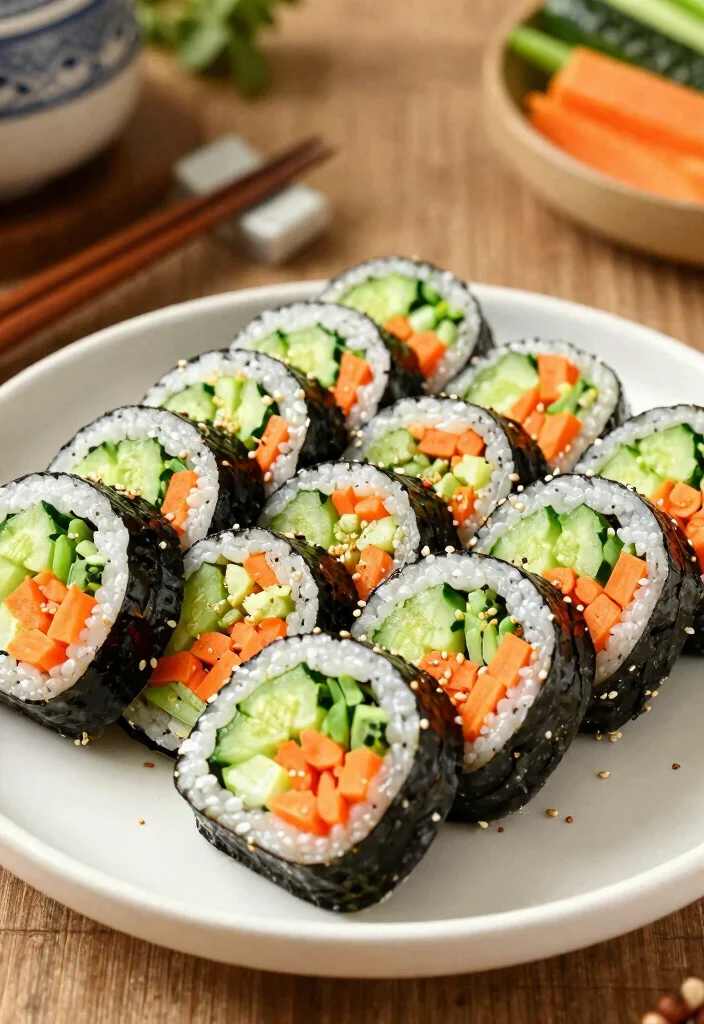
Looking for a fun and healthy meal? Kimbap is Korea’s version of sushi, filled with fresh vegetables and flavored with sesame oil. These rolls are not only great for picnics, lunches, or light dinners, but they also burst with freshness and flavor in every bite. Making kimbap is an enjoyable activity to share with friends or family, rolling the ingredients together for a fun cooking project!
Perfect for on-the-go meals, kimbap can be prepared in advance and enjoyed cold or at room temperature.
Ingredients:
– 4 sheets of roasted seaweed (nori)
– 2 cups of cooked rice
– 1 tbsp of sesame oil
– 1/2 cup of pickled radish
– 1/2 cup of cucumber, cut into long strips
– 1/2 cup of carrots, julienned
– Salt and sesame seeds for garnish
1. Cook the rice and season with sesame oil and salt.
2. Place a sheet of nori shiny side down on a bamboo mat.
3. Spread a thin layer of rice, leaving space at the top.
4. Lay the vegetables across the rice and roll tightly.
5. Seal the edge with a little water.
6. Slice into bite-sized pieces and sprinkle with sesame seeds before serving.


FAQs:
– Can it be made vegan? Yes, just avoid fish or meat fillings.
– How long can I store kimbap? Keep it in the fridge for up to 2 days.
6. Spicy Korean Tofu Stew (Sundubu-jjigae)
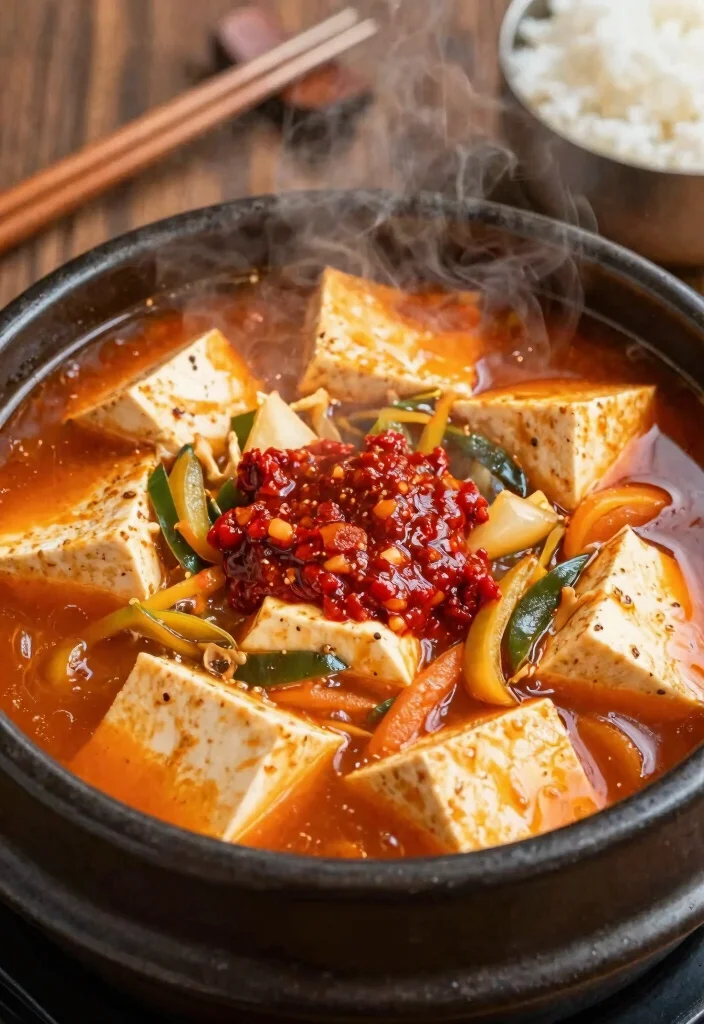
Craving something warm and comforting? Sundubu-jjigae is a spicy soft tofu stew that’s rich in flavor and packed with soft silken tofu and fresh vegetables. While it often includes meat, you can easily make a vegetarian version by using mushrooms and more veggies to enhance that umami flavor. This hearty stew is perfect for chilly days, especially when served bubbling hot in a stone pot!
Pair it with rice for a complete meal that’s sure to satisfy.
Ingredients:
– 1 block of silken tofu
– 1 cup of sliced mushrooms (shiitake or button)
– 1/2 cup of zucchini, chopped
– 1 onion, sliced
– 1/4 cup of gochugaru
– 4 cups of vegetable broth
– 1 tbsp of soy sauce
– 1 tbsp of sesame oil
1. In a pot, heat sesame oil and sauté onions until translucent.
2. Add the mushrooms and zucchini, stirring for an additional 5 minutes.
3. Pour in the vegetable broth and bring to a boil.
4. Add gochugaru and soy sauce, stirring well.
5. Carefully add blocks of silken tofu and heat for another 5 minutes.
6. Serve hot, optionally topped with chopped green onions.


FAQs:
– Can I use firm tofu instead? Silken tofu is preferred for its texture, but you can substitute.
– How can I make it less spicy? Reduce the gochugaru to your taste.
7. Korean Potato Pancakes (Gamja Jeon)
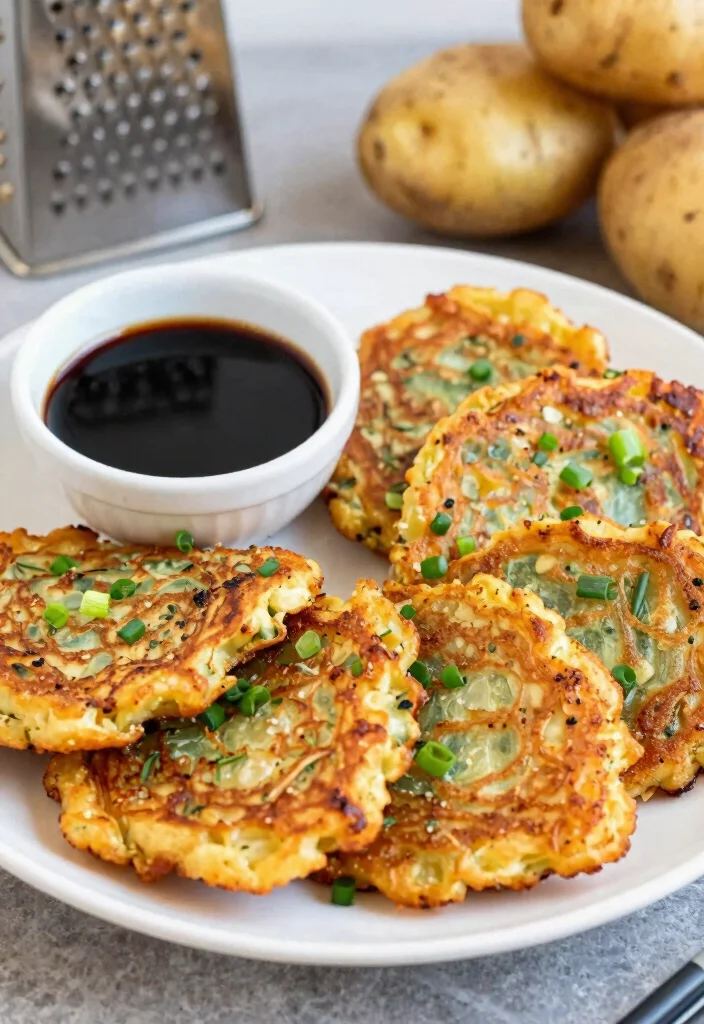
If you’re in the mood for something crispy and delicious, Gamja Jeon are the perfect potato pancakes for you! Made from shredded potatoes and a few simple ingredients, these pancakes are golden brown, crispy on the outside, and soft on the inside. They make a great snack or side dish, especially when paired with a tangy dipping sauce.
Easy to prepare, they can be enjoyed any time of the day—perfect for brunch or as a tasty treat!
Ingredients:
– 2 large potatoes, peeled and grated
– 1/4 cup of flour
– 1/4 cup of green onions, chopped
– Salt and pepper to taste
– Oil for frying
1. Squeeze excess moisture from grated potatoes.
2. In a bowl, combine grated potatoes, flour, green onions, salt, and pepper.
3. Heat oil in a skillet over medium heat.
4. Drop spoonfuls of the mixture into the hot oil, flattening them slightly.
5. Cook until golden brown on each side, about 3-4 minutes.
6. Drain on paper towels before serving.


FAQs:
– Can I bake them instead? Yes, but they’ll be less crispy.
– How can I store leftovers? Keep in an airtight container in the fridge for up to 2 days.
Fun fact: Gamja Jeon can be ready in about 15 minutes, proving quick, bold Korean vegetarian recipes exist. Crispy edges and soft centers make these potato pancakes perfect for brunch or a snack any day.
8. Spicy Pickled Cucumbers (Oiji Muchim)
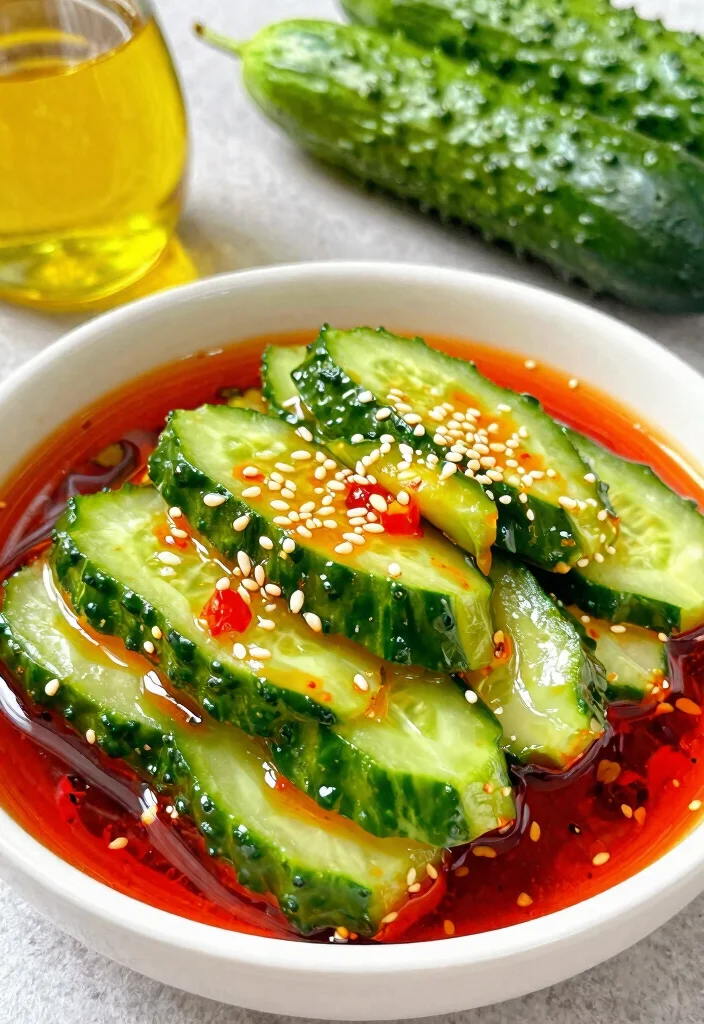
Need a refreshing crunch to complement your meal? Oiji Muchim is a quick and zesty pickled cucumber dish that adds brightness to any table. These spicy pickles are made by marinating fresh cucumbers in a delightful blend of soy sauce, vinegar, and red pepper flakes. They’re not only easy to prepare but also pack a punch of flavor, making them a perfect side or condiment for heavier dishes!
Enjoy them fresh, and you’ll understand why they are a staple in Korean households.
Ingredients:
– 2 cucumbers, thinly sliced
– 2 tbsp of soy sauce
– 1 tbsp of vinegar
– 1 tbsp of gochugaru
– 1 tsp of sesame oil
– 1 tsp of sugar
1. In a bowl, mix soy sauce, vinegar, gochugaru, sesame oil, and sugar until well combined.
2. Toss in the cucumber slices and coat them in the marinade.
3. Let the cucumbers sit for at least 10 minutes before serving.
4. Store leftovers in the fridge in an airtight container.


FAQs:
– How long can I store these pickles? They last up to a week in the fridge.
– Can I add garlic? Yes, minced garlic adds great flavor.
Did you know Oiji Muchim can be ready in under 15 minutes? A quick mix of cucumber, soy sauce, vinegar, and red pepper flakes turns simple crunch into a bold, shareable part of Korean vegetarian recipes.
Spicy Pickled Cucumbers (Oiji Muchim)
Editor’s Choice

Tae-kyung Korean Red Chili Pepper Flakes Powder Gochugaru, 3 LBS (3 Pound)



9. Korean Corn Cheese

Craving a cheesy, sweet treat? Korean Corn Cheese is a delightful dish that combines sweet corn with melted cheese for a creamy side that everyone adores. Often enjoyed as a warm street food or appetizer, this dish is gooey and perfect for sharing. The mix of corn, cheese, and a hint of spice makes it utterly irresistible, and it’s super easy to whip up at home!
Feel free to add jalapeños or herbs for an extra flavor kick.
Ingredients:
– 2 cups of canned corn, drained
– 1 cup of shredded mozzarella cheese
– 1 tbsp of mayonnaise
– 1 tsp of sugar
– 1/2 tsp of gochugaru
– Green onions for garnish
1. Preheat the oven to 375°F (190°C).
2. In a mixing bowl, combine corn, cheese, mayonnaise, sugar, and gochugaru.
3. Transfer the mixture to a baking dish and spread evenly.
4. Bake for 15 minutes or until cheese is melted and bubbly.
5. Garnish with chopped green onions before serving.


– Can I use fresh corn? Yes, fresh sweet corn works great too.
– How do I store leftovers? Keep in an airtight container in the fridge for up to 2 days.


10. Spicy Korean Mushroom Stir-fry
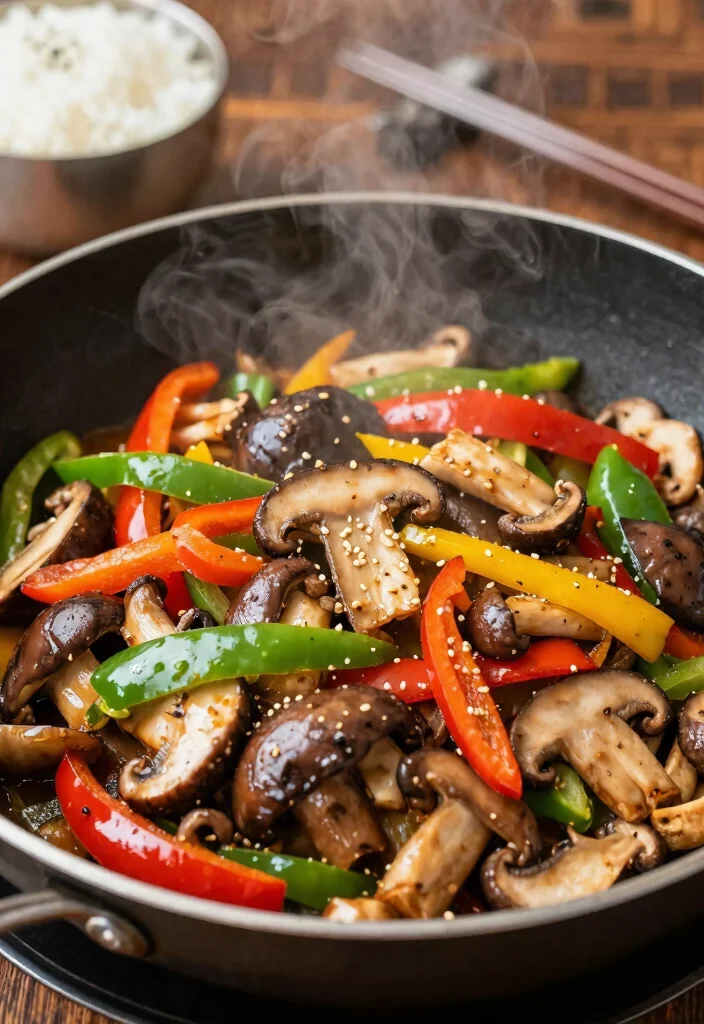
Looking for a quick and flavorful dish? This spicy Korean mushroom stir-fry is just what you need! With earthy flavors from shiitake mushrooms combined with a spicy sauce, this dish can be served over rice or enjoyed on its own. It’s simple to prepare and brings bold flavors, making it a great addition to your weeknight dinner rotation.
Enjoy the mix of textures and tastes, and you’ll have a new favorite meal in no time!
Ingredients:
– 8 oz of shiitake mushrooms, sliced
– 1 cup of bell peppers, sliced
– 1 onion, sliced
– 2 tbsp of soy sauce
– 1 tbsp of gochugaru
– 1 tbsp of sesame oil
1. Heat sesame oil in a large skillet over medium heat.
2. Add sliced mushrooms and onions, sautéing until softened.
3. Stir in bell peppers and cook for an additional 3-4 minutes.
4. Add soy sauce and gochugaru, tossing to coat.
5. Remove from heat and serve warm.


FAQs:
– Can I use different types of mushrooms? Absolutely! Mix and match for your preferred flavor.
– How long can I keep leftovers? Store in an airtight container in the fridge for up to 3 days.
Spicy Korean Mushroom Stir-fry
Editor’s Choice


Tae-kyung Korean Red Chili Pepper Flakes Powder Gochugaru, 3 LBS (3 Pound)
11. Korean Sweet Potato Noodles (Jajangmyeon Style)
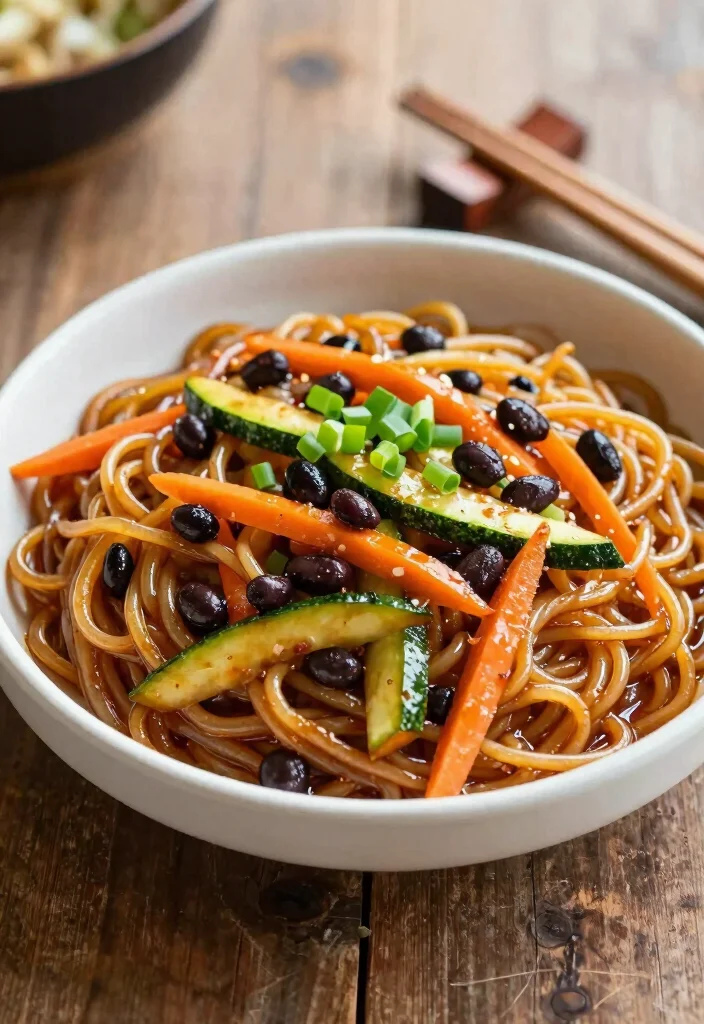
Craving a unique noodle dish? These sweet potato noodles are a fun twist on the traditional jajangmyeon, featuring a rich black bean sauce that’s packed with flavor. Tossed with fresh vegetables, this vegetarian version is satisfying and visually appealing. It’s perfect for a quick weeknight meal when you’re looking for something comforting yet different!
Enjoy the delightful combination of textures and flavors with every bite.
Ingredients:
– 8 oz of sweet potato noodles
– 1/2 cup of black bean paste
– 1 cup of mixed vegetables (zucchini, carrots, onions)
– 1 tbsp of soy sauce
– 1 tsp of sugar
1. Cook sweet potato noodles according to package instructions, then drain.
2. In a skillet, sauté mixed vegetables until tender.
3. Stir in black bean paste, soy sauce, and sugar, mixing well.
4. Add cooked noodles and toss to coat evenly.
5. Serve hot, garnished with green onions if desired.



FAQs:
– Can I make this dish in advance? Yes, just store separately and combine before serving.
– Is it gluten-free? Check the black bean paste for gluten-free options.
12. Korean Lettuce Wraps (Ssambap)
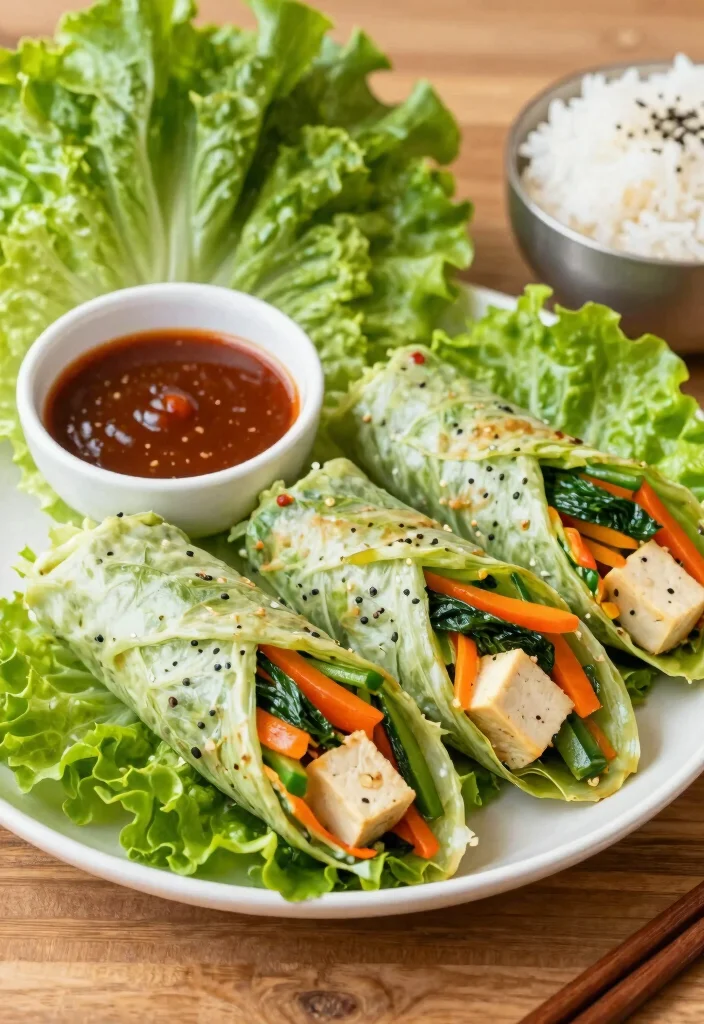
Looking for a fresh and interactive meal? Ssambap, or Korean lettuce wraps, offer a flavorful way to enjoy your food. These wraps are filled with seasoned vegetables, tofu, and savory sauces, making them light, healthy, and customizable. Each bite provides a satisfying crunch and a burst of flavor, making it a fun dining experience for everyone!
Serve with rice and your favorite dipping sauces for a complete meal that’s sure to please.
Ingredients:
– 1 head of lettuce (romaine or butter)
– 1 cup of cooked rice
– 1 cup of sautéed vegetables (bell pepper, carrot, zucchini)
– 1/2 cup of tofu, cubed and sautéed
– 1/4 cup of ssamjang (Korean dipping sauce)
Instructions:
1. Prepare the sautéed vegetables and tofu in a pan until cooked.
2. Wash and separate lettuce leaves, patting them dry.
3. Assemble the ingredients by placing rice and sautéed veggies in the center of the lettuce.
4. Drizzle with ssamjang before wrapping.
5. Enjoy by folding and eating like a burrito!
FAQs:
– Can I use different types of leaves? Yes, try using collard greens or perilla leaves.
– How long can I store leftover filling? Keep in the fridge for up to 2 days.
Conclusion
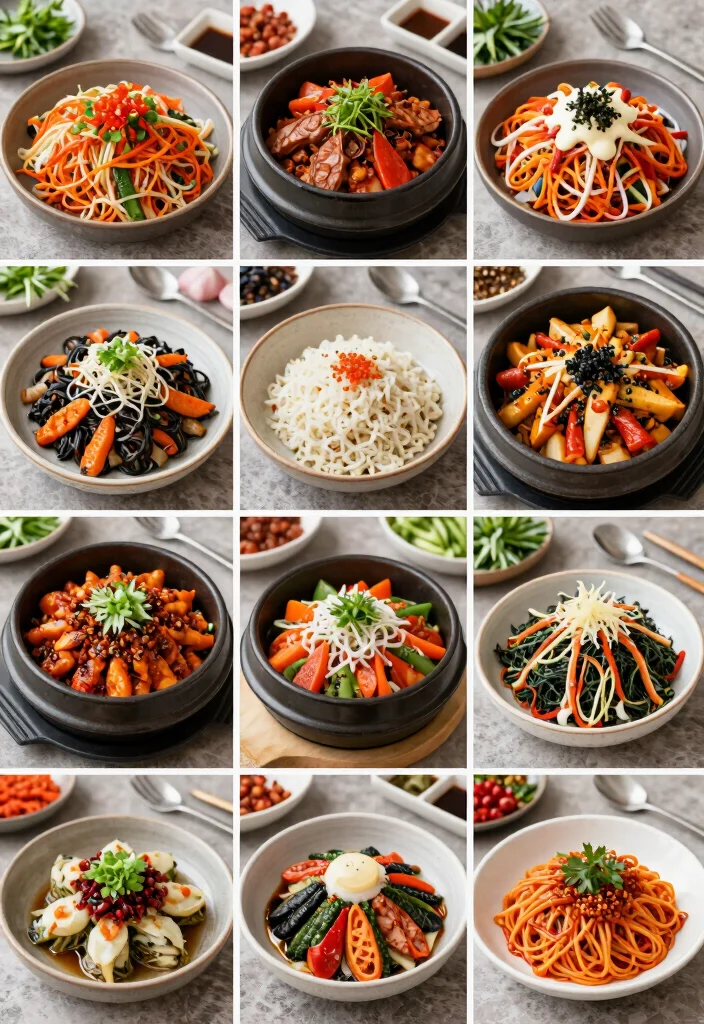
These 12 Korean vegetarian recipes are just the beginning of exploring the rich and delicious world of plant-based Korean cuisine.
Each dish offers a unique glimpse into traditional Korean flavors, showcasing how diverse vegetarian meals can be.
Whether you’re making a cozy night in for yourself or impressing friends at a gathering, these bold and flavorful recipes are sure to delight!
Note: We aim to provide accurate product links, but some may occasionally expire or become unavailable. If this happens, please search directly on Amazon for the product or a suitable alternative.
This post contains Amazon affiliate links, meaning we may earn a small commission if you purchase through our links, at no extra cost to you.
Frequently Asked Questions
What are the easiest Korean vegetarian recipes to try first?
Getting started with korean vegetarian recipes can be delicious and simple.
Try these approachable staples: bibimbap with lots of vegetables, spicy tteokbokki with veggies, kimchi fried rice made with vegan kimchi, and doenjang jjigae (soybean paste stew) loaded with tofu and mushrooms.
These dishes are naturally plant-based and quick to assemble.
For bold flavor, stock your pantry with gochujang, gochugaru, soy sauce, garlic, and sesame oil.
As you gain confidence, mix and match fillings and sauces to make these korean vegetarian recipes your own.
How can I get bold flavors in vegan Korean dishes?
Want bold flavors in vegan Korean dishes? Start by layering elements: gochujang and gochugaru for heat and depth, doenjang or other fermented pastes for umami, plus soy sauce, garlic, and sesame oil for aroma.
Toast spices briefly, then bloom ginger or shallots in oil to wake them up.
Build layers with a tangy note from rice vinegar or a touch of mirin, and finish with sesame seeds and chopped scallions.
These steps work across plant-based Korean cuisine and keep vegan Korean dishes vibrant and tasty.
Try a quick noodle bowl or stir-fry to practice, and adjust heat by adding more gochugaru if you like it spicier.
Which spicy Korean street-food style vegetarian recipes should I try?
These spicy street-food style Korean vegetarian dishes capture bold heat and bright flavors.
Try spicy tteokbokki (rice cakes in gochujang sauce) with vegetables; spicy kimchi jeon (kimchi pancake) made with vegan kimchi and no eggs; gochujang noodle bowls with crunchy veggies; and spicy tofu skewers brushed with a gochujang glaze.
You can adjust heat by adding more gochugaru or gochujang to taste.
These are popular in Korean street food inspired recipes within korean vegetarian recipes and are naturally plant-based.
What ingredients are essential in plant-based Korean cuisine?
Essential ingredients in plant-based Korean cuisine help you replicate traditional flavors.
Keep gochujang and gochugaru for heat, doenjang or miso for depth, soy sauce for saltiness, and sesame oil for aroma.
Other must-haves include garlic, ginger, and scallions, plus protein options like tofu and mushrooms.
Stock up on kimchi (vegan if needed) for signature acidity, seaweed and sesame seeds for finishing touches, and a base of rice or barley for meals.
With these ingredients, you can create bold, healthy Korean meals that stay true to traditional Korean flavors.
How can I keep traditional Korean flavors while making healthy Korean meals?
Keep it traditional but lighter by prioritizing fermentation and minimal oil.
Use kimchi, doenjang, and gochujang to boost umami and tang without heavy sauces.
Cook proteins like tofu by baking or pan-searing with a light glaze of gochujang and a sprinkle of sesame seeds.
Swap deep-frying for air-frying or shallow stir-frying with a small amount of sesame oil to keep meals lean and tasty.
Add depth with mushrooms or kombu stock for umami, and finish each dish with a squeeze of lime or a splash of rice vinegar for brightness.
Serve with brown rice or barley to keep meals wholesome and aligned with healthy Korean meals.