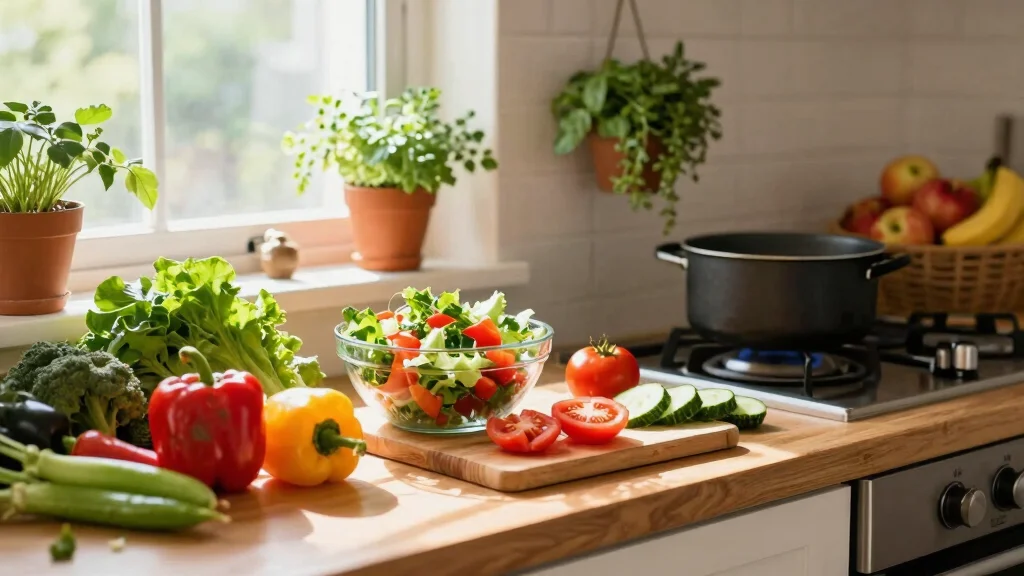
Cooking healthy meals can sometimes feel like a daunting task, especially when you’re juggling a busy schedule. If you’ve ever found yourself staring at your fridge filled with vegetables, wondering what to whip up, you’re not alone. That’s why I created this collection of 12 healthy veggie recipes to turn those fresh ingredients into delicious meals, without breaking a sweat. My goal is to inspire you to embrace plant-based cooking, making it not just nutritious, but also simple and enjoyable.
This post is perfect for busy professionals who want to eat well without spending all evening in the kitchen. If you’re someone who appreciates the benefits of fresh produce but struggles to find the time to prepare wholesome vegetarian recipes, you’re in the right place. I’ve gathered recipes that are easy to follow, packed with flavor, and perfect for meal prep. Say goodbye to bland salads and tedious cooking; let’s make veggie cooking exciting again!
In the following sections, you’ll discover recipes that are not only healthy but also creative and satisfying. Whether you want to impress your friends at a gathering or simply enjoy a nourishing meal at home, these nutritious plant-based dishes will fill your plate with color and flavor. Ready to dive in? Let’s explore these vegetable meal prep ideas to make your everyday cooking fulfilling and fun!
Key Takeaways
– Discover 12 easy and healthy veggie recipes designed for busy lifestyles, making meal prep a breeze.
– Each recipe highlights fresh produce ideas that ensure you eat well without spending hours in the kitchen.
– These nutritious plant-based dishes are perfect for lunch or dinner and can be prepped in advance.
– You’ll find a mix of flavors and textures, from salads to tacos, catering to all taste preferences.
– Enjoy cooking with less stress while maximizing the benefits of a plant-based diet with these delicious meals.
1. Rainbow Quinoa Salad
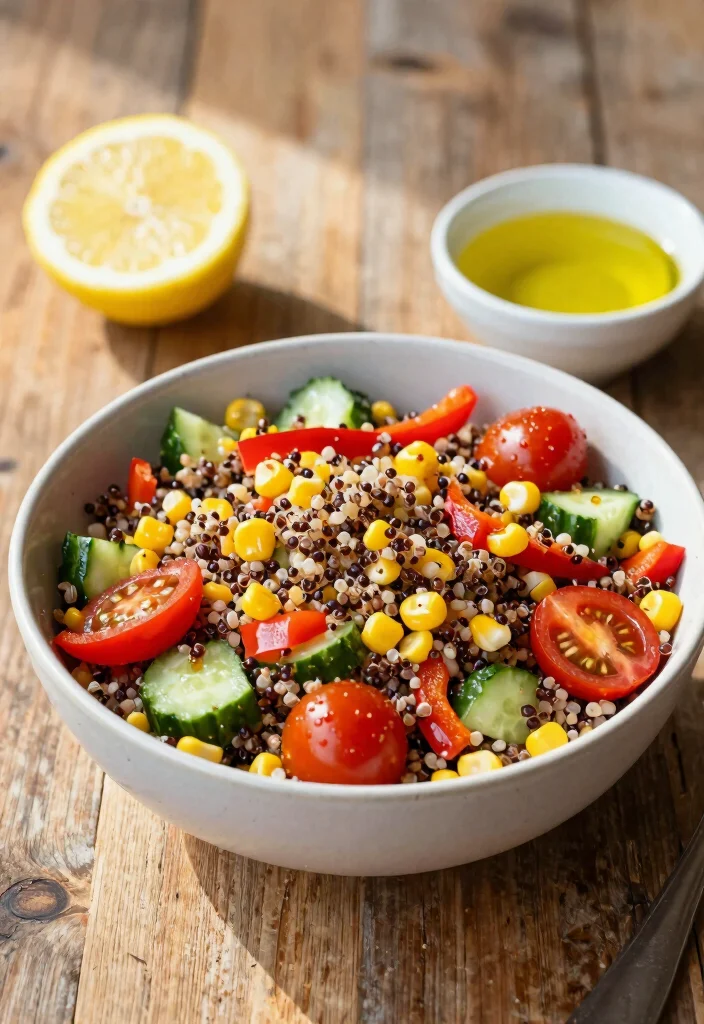
Craving a vibrant and nutritious dish? The Rainbow Quinoa Salad is bursting with colors and flavors that make healthy eating enjoyable. With protein-packed quinoa and a mix of fresh veggies, this salad is not only delicious but also quick to prepare and perfect for meal prep. You can savor it cold or at room temperature, making it a versatile option for any occasion.
Ingredients:
– 1 cup quinoa, rinsed
– 2 cups water or vegetable broth
– 1 cup cherry tomatoes, halved
– 1 cup bell peppers, diced
– 1 cucumber, diced
– ½ cup red onion, finely chopped
– ¼ cup parsley, chopped
– Juice of 1 lemon
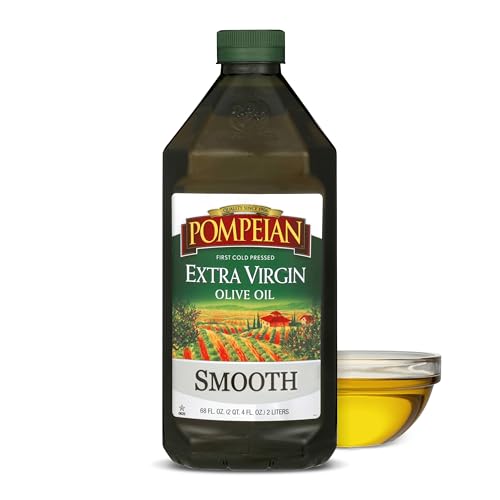
– 3 tablespoons olive oil
– Salt and pepper to taste
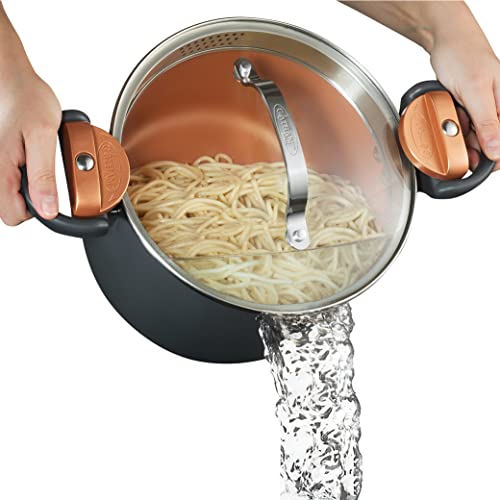
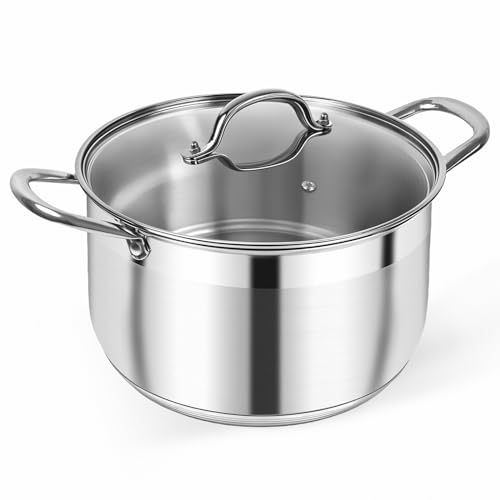
1. In a pot, bring the quinoa and water or broth to a boil.
2. Reduce heat, cover, and simmer for about 15 minutes, or until liquid is absorbed. Fluff with a fork.
3. In a large bowl, combine cherry tomatoes, bell peppers, cucumber, onion, and parsley.
4. In a separate bowl, whisk together lemon juice, olive oil, salt, and pepper.
5. Add quinoa to the veggies and pour the dressing over. Toss well to combine.
6. Serve immediately or store in the fridge for later.


– Customize with your favorite veggies!
– For added protein, toss in some black beans or chickpeas.
– Can I make this ahead of time? Yes, it stays fresh for up to 3 days in the fridge.

2. Veggie-Packed Stir-Fry
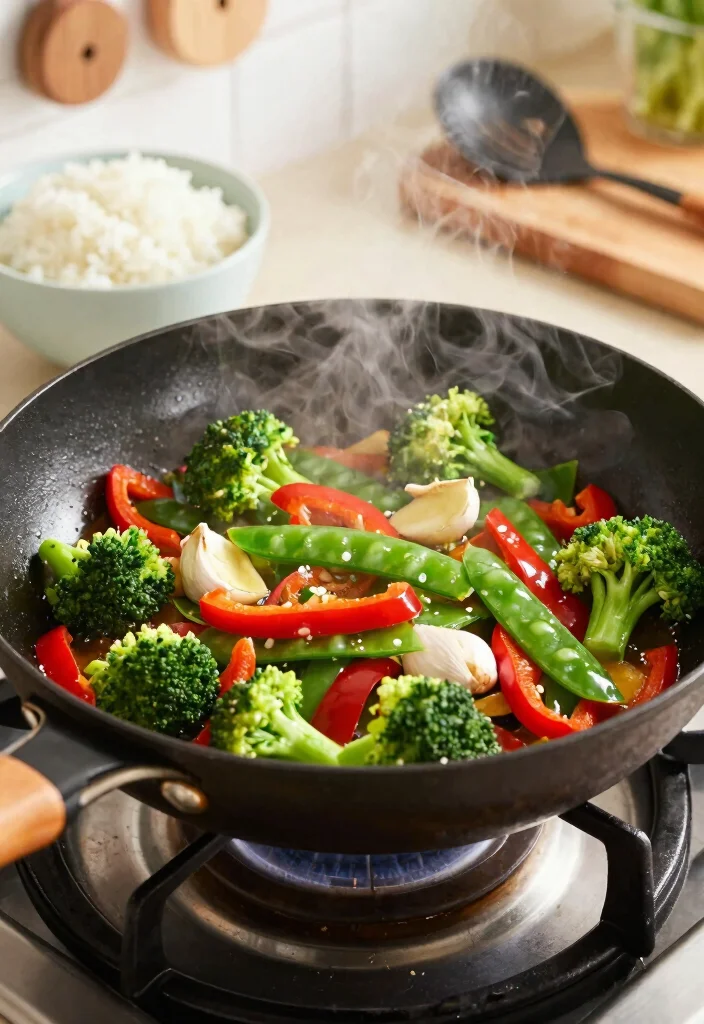
Need a quick meal to satisfy those hunger pangs? This Veggie-Packed Stir-Fry is your go-to solution! With a mix of vibrant vegetables like broccoli, carrots, and bell peppers, all tossed in a savory sauce, it’s a flavorful dish that’s easy to whip up. Whether you serve it over rice or noodles, you’ll have a delicious meal ready in no time!
Ingredients:
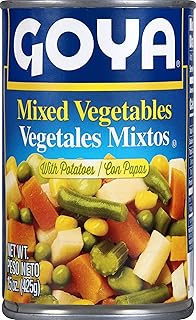
– 2 cups mixed vegetables (broccoli, bell pepper, snap peas)
– 1 tablespoon sesame oil
– 2 cloves garlic, minced
– 1-inch piece ginger, minced
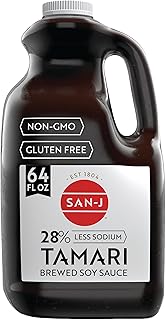
– 2 tablespoons soy sauce or tamari
– 1 teaspoon sesame seeds (optional)
– Cooked rice or noodles for serving
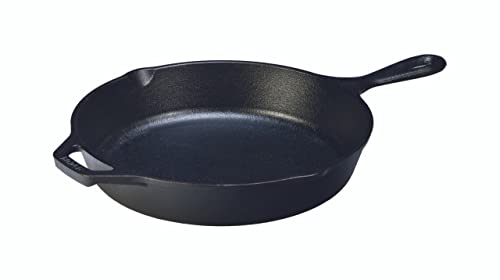
1. Heat sesame oil in a large skillet over medium-high heat.
2. Add garlic and ginger, sauté for 1 minute until fragrant.
3. Add mixed vegetables and stir-fry for about 5-7 minutes, or until tender-crisp.
4. Pour soy sauce over the veggies, stir well, and cook for an additional 2 minutes.
5. Serve over cooked rice or noodles, and sprinkle with sesame seeds if desired.


– Use pre-cut veggies to save on prep time!
– Add tofu or tempeh for extra protein.
– Can I use frozen vegetables? Yes, but adjust the cooking time accordingly.


Veggie-Packed Stir-Fry
Editor’s Choice



3. Zucchini Noodles with Pesto
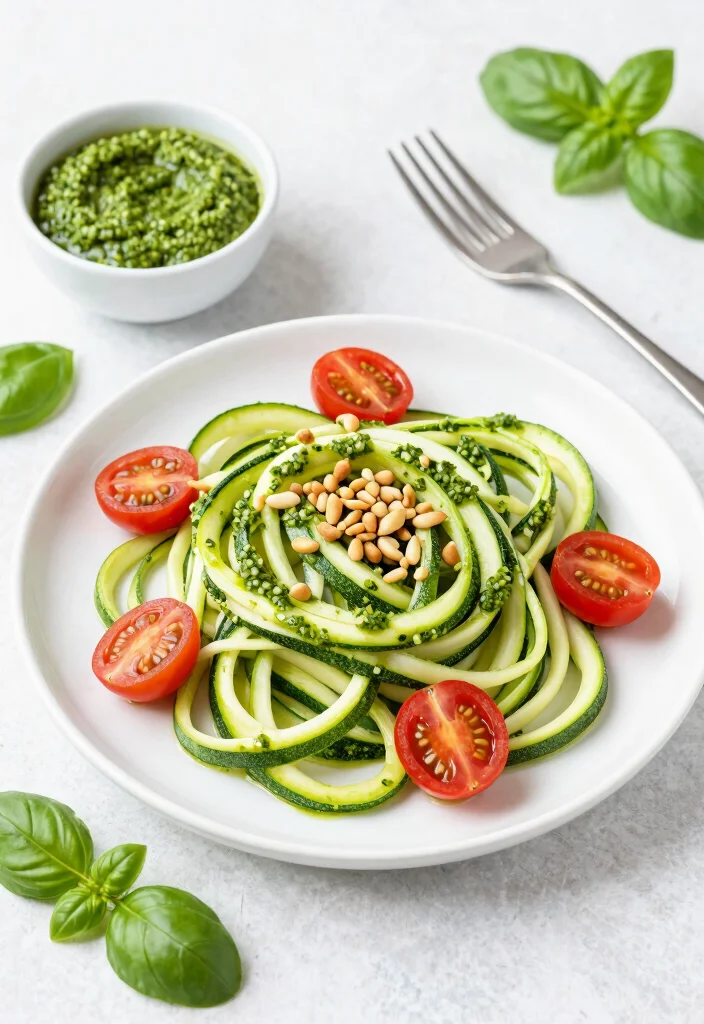
Looking for a light and flavorful dish? Zucchini Noodles with Pesto is the perfect answer! This delightful meal swaps traditional pasta for fresh zucchini, tossed in a rich pesto sauce that elevates each bite. Quick to prepare, it’s a bright and healthy option that you can enjoy in just minutes!
Ingredients:
– 2 medium zucchinis
– ½ cup pesto sauce
– 1 tablespoon olive oil
– Salt and pepper to taste
– Cherry tomatoes and pine nuts for topping (optional)
1. Spiralize the zucchinis into noodles or use a vegetable peeler for ribbons.
2. Heat olive oil in a skillet over medium heat, add zucchini noodles, and sauté for about 2-3 minutes.
3. Stir in pesto and allow to cook for another 2 minutes until heated through.
4. Season with salt and pepper, and serve topped with cherry tomatoes and pine nuts if desired.


– Avoid overcooking the zucchini to keep it crunchy.
– For added protein, toss in some chickpeas or grilled chicken.
FAQs:
– Can I use store-bought pesto? Absolutely! It saves time and is just as delicious.
How To Choose Fresh Produce for Your Healthy Veggie Recipes
Choosing fresh produce is essential for creating delicious and nutritious plant-based dishes. Fresh ingredients not only enhance the flavor of your meals but also boost their nutritional value. Here’s a guide on how to select the best produce for your daily cooking needs.
1. Look for Vibrant Colors
When selecting vegetables, vibrant colors are a sign of freshness and nutrient richness. Brightly colored produce often indicates higher levels of vitamins and antioxidants. For instance, deep green spinach is packed with iron and vitamins A and C, while vivid red tomatoes are rich in lycopene. Make sure to fill your cart with a variety of colors for a well-rounded diet and visually appealing meals.
2. Check for Firmness
Fruits and vegetables should feel firm when you squeeze them. For example, a ripe bell pepper should have a sturdy feel, while a ripe avocado will give slightly under pressure. Soft or mushy spots can indicate overripeness or spoilage. Always check your produce for any signs of decay before purchasing to ensure you’re getting the freshest items possible.
3. Smell for Freshness
Your sense of smell is a fantastic tool when choosing fresh produce. Fruits like peaches and strawberries should have a sweet, fragrant aroma. If a fruit or vegetable has no smell or has an off-putting odor, it’s likely not fresh. Be sure to take a whiff to ensure you’re picking up the best options for your healthy veggie recipes.
4. Buy Seasonal Produce
Seasonal fruits and vegetables are typically fresher and more flavorful. They are harvested at their peak ripeness, leading to better taste and nutritional value. For example, summer is a great time for zucchini and tomatoes, while winter is perfect for root vegetables like carrots and sweet potatoes. Check local farmers’ markets or grocery store calendars to see what’s in season for the best selection.
5. Know Your Labels
Paying attention to labels can help you make informed choices. Organic produce is grown without synthetic pesticides and fertilizers, making it a healthier option. However, even conventionally grown fruits and vegetables can be nutritious. Always rinse your produce thoroughly to minimize pesticide residue. Look for certifications or local sourcing to support quality agriculture.
6. Support Local Farmers
Buying from local farmers or markets is a great way to ensure you’re getting fresh produce. Local produce often travels a shorter distance from farm to table, meaning it’s fresher and retains more nutrients. Plus, you’re supporting your community! Ask the vendor about their growing practices to understand the quality you’re bringing home.
Pro Tip: Always plan your meals around what’s fresh and available! This helps you make the most of seasonal produce and reduces waste. Consider creating a weekly veggie prep session where you wash, chop, and store your fresh ingredients for quick access throughout the week. This practice not only saves time but also encourages you to incorporate a variety of veggies into your meals!
Following these tips will help you choose the best fresh produce for your healthy veggie recipes. Enjoy the process of selecting vibrant ingredients and let them inspire your everyday cooking!

4. Stuffed Bell Peppers
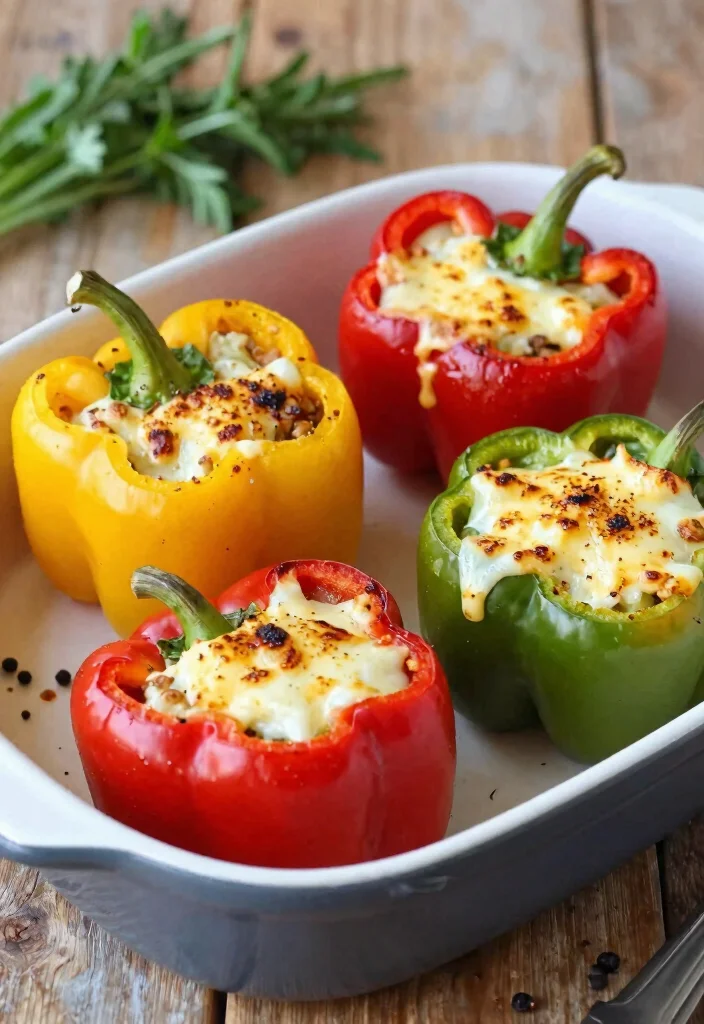
Want a dish that is both beautiful and fulfilling? Stuffed Bell Peppers are your answer! These colorful veggie packets can be filled with rice, beans, and your favorite vegetables, topped with cheese or made dairy-free for a healthier twist. They’re perfect for meal prepping, so you can enjoy a delicious lunch or dinner throughout the week!
Ingredients:
– 4 large bell peppers (any color)
– 1 cup cooked rice (white or brown)
– 1 can black beans, rinsed and drained
– 1 cup corn (fresh or frozen)
– 1 teaspoon cumin
– Salt and pepper to taste
– 1 cup shredded cheese (optional)
1. Preheat oven to 375°F (190°C).
2. Cut the tops off the bell peppers and remove seeds.
3. In a bowl, combine cooked rice, black beans, corn, cumin, salt, and pepper.
4. Stuff the bell peppers with the mixture and place them upright in a baking dish.
5. If using cheese, sprinkle on top before baking.
6. Bake for 30 minutes or until peppers are tender.


– Customize with different grains, like quinoa or farro.
– Add some salsa for extra flavor!
– Can I freeze stuffed peppers? Yes, they freeze well and reheat easily.


Stuffed Bell Peppers
Editor’s Choice


📹 Related Video: The Perfect Stuffed Bell Peppers| How To make stuffed bell peppers
5. Creamy Cauliflower Soup

Craving something warm and comforting? Treat yourself to a bowl of Creamy Cauliflower Soup. This velvety dish is packed with flavor and nutrition without the heaviness of cream. Blended to perfection with garlic and onion, it’s a satisfying option that pairs beautifully with crusty bread for a cozy meal.
Ingredients:
– 1 head of cauliflower, chopped
– 1 onion, diced
– 2 cloves garlic, minced
– 4 cups vegetable broth
– 1 tablespoon olive oil
– Salt and pepper to taste
– Fresh chives for garnish (optional)
1. In a pot, heat olive oil over medium heat. Sauté onions and garlic until fragrant.
2. Add chopped cauliflower and vegetable broth. Bring to a boil, then reduce heat and simmer for about 20 minutes until tender.
3. Blend the soup until smooth using an immersion blender or stand blender.
4. Season with salt and pepper to taste, and serve hot, garnished with chives if desired.


– For added flavor, sprinkle in some


– Garnish with roasted chickpeas for a crunchy contrast.
FAQs:
– How can I store leftovers? Refrigerate in an airtight container for up to 3 days.
Fun fact: a cup of cauliflower has about 25 calories and 2 grams of fiber, making Creamy Cauliflower Soup a satisfying, healthy veggie recipes option without heavy cream. Blend garlic and onion with broth to boost flavor without added fat.
Creamy Cauliflower Soup
Editor’s Choice



6. Roasted Vegetable Medley
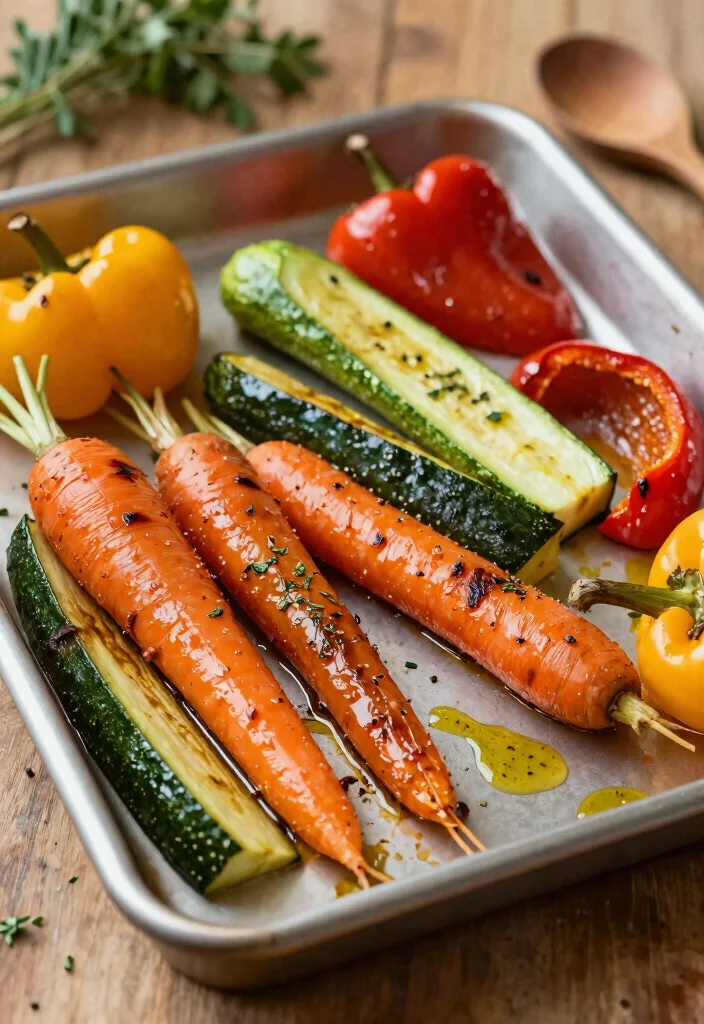
Are you ready to enjoy the natural sweetness of roasted veggies? This Roasted Vegetable Medley is a delightful blend of seasonal produce that transforms simple ingredients into a flavor-packed dish. Toss in your favorite vegetables, let the oven do the work, and enjoy a delicious side or a stand-alone treat that’s perfect for any meal!
Ingredients:
– 2 cups mixed vegetables (carrots, zucchini, bell peppers)
– 3 tablespoons olive oil
– 1 teaspoon dried oregano
– Salt and pepper to taste
1. Preheat the oven to 400°F (200°C).
2. Chop the vegetables into bite-sized pieces and place them on a baking sheet.
3. Drizzle with olive oil, and sprinkle with oregano, salt, and pepper.
4. Toss to coat and spread out evenly on the sheet.
5. Roast for 30 minutes, flipping halfway through, until tender and caramelized.


– Experiment with different vegetable combinations!
– Serve with a squeeze of lemon juice for added brightness.
FAQs:
– Can I use frozen vegetables? Fresh is best, but frozen can work in a pinch!
Fact: Roasting veggies caramelizes natural sugars, boosting flavor by 40% with just olive oil. This Roasted Vegetable Medley—carrots, peppers, and zucchini—is one of our healthy veggie recipes, packing fiber and nutrients for busy days.
7. Sweet Potato and Black Bean Tacos
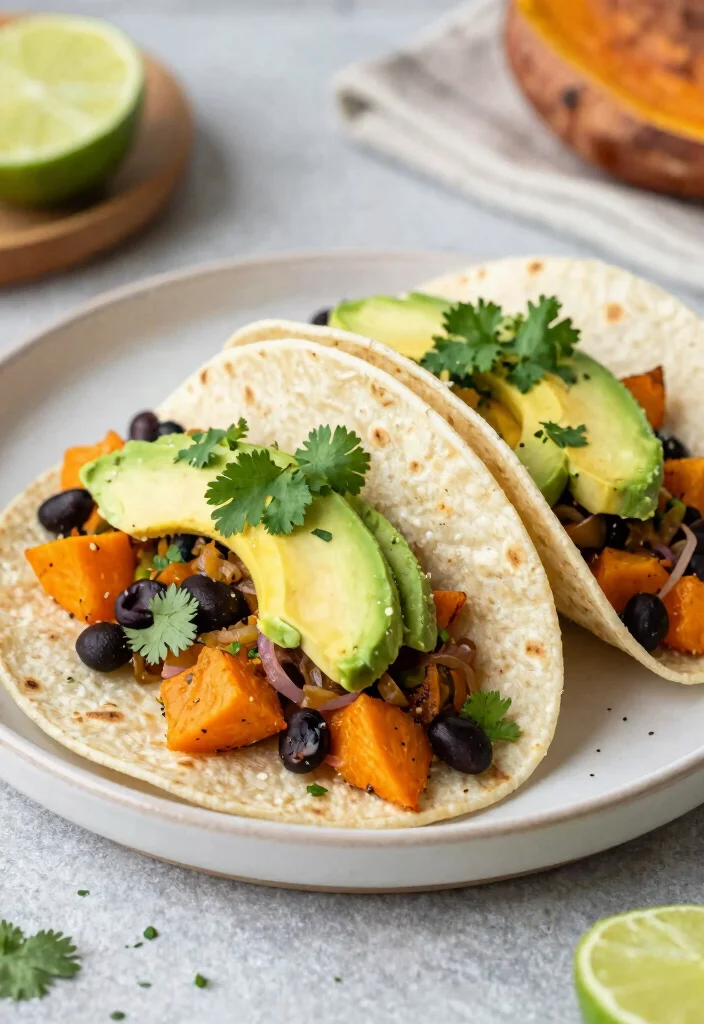
Taco Night just got a delicious upgrade with these Sweet Potato and Black Bean Tacos! The natural sweetness of roasted sweet potatoes blends perfectly with hearty black beans and zesty lime dressing. Stuffed into soft tortillas and topped with avocado and fresh cilantro, these tacos are both satisfying and nutritious—ideal for a quick weeknight meal!
Ingredients:
– 2 large sweet potatoes, peeled and cubed
– 1 can black beans, rinsed and drained
– 1 teaspoon cumin
– Salt and pepper to taste
– 8 small tortillas
– 1 avocado, sliced
– Fresh cilantro for garnish
– Juice of 1 lime
1. Preheat the oven to 425°F (220°C).
2. Toss sweet potatoes with olive oil, cumin, salt, and pepper. Spread on a baking sheet and roast for 25 minutes until tender.
3. Warm the tortillas in a skillet or microwave.
4. Assemble tacos by filling tortillas with sweet potatoes, black beans, avocado, and a squeeze of lime juice.
5. Garnish with fresh cilantro and serve.


– Add hot sauce for extra kick!
– Use corn tortillas for a gluten-free option.
– Can I meal prep these tacos? Yes, prep the filling ahead and assemble when ready to eat.


8. Mediterranean Chickpea Salad
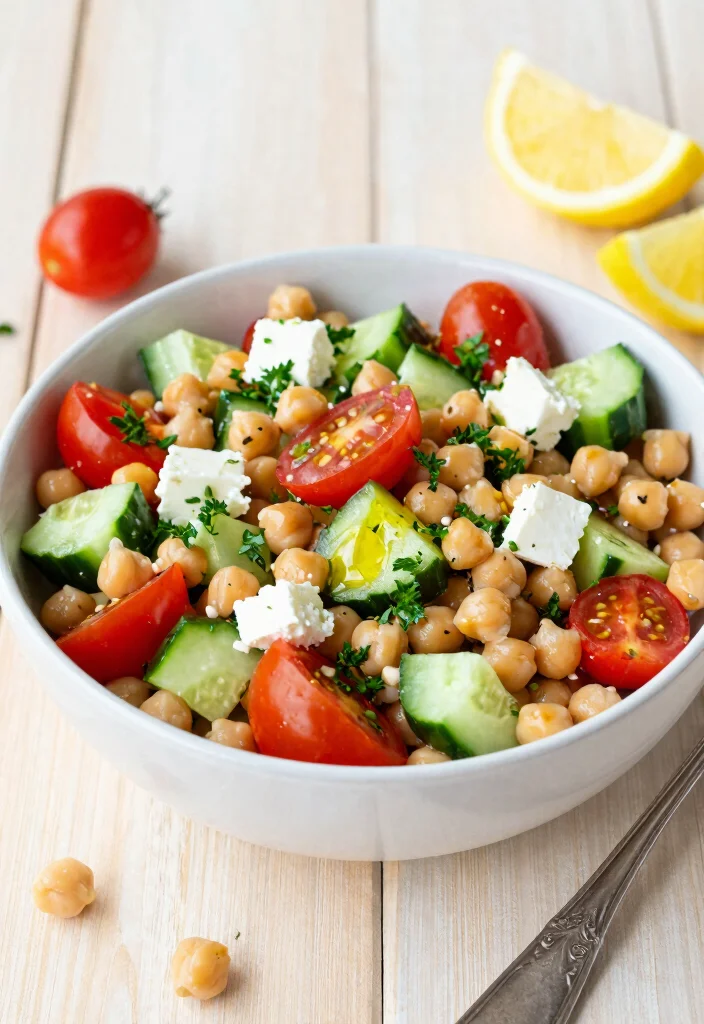
Searching for a salad that’s bursting with flavor? The Mediterranean Chickpea Salad is just what you need! With protein-rich chickpeas, crunchy cucumbers, juicy tomatoes, and creamy feta or avocado, this dish is perfect for lunch or as a side at dinner. Drizzled with a zesty lemon-olive oil vinaigrette, it’s a refreshing and satisfying choice!
Ingredients:
– 1 can chickpeas, rinsed and drained
– 1 cucumber, diced
– 1 cup cherry tomatoes, halved
– ¼ red onion, finely diced
– ¼ cup feta cheese or avocado
– 2 tablespoons olive oil
– Juice of 1 lemon
– Salt and pepper to taste
1. In a large bowl, combine chickpeas, cucumber, tomatoes, onion, and feta or avocado.
2. Drizzle with olive oil and lemon juice, and season with salt and pepper.
3. Toss gently to combine and adjust seasoning as needed.
4. Serve immediately or chill for 30 minutes for flavors to meld.


– Add olives for that extra Mediterranean flair!
– This salad is great for meal prepping; it holds up well in the fridge.
FAQs:
– Can I use dried chickpeas? Yes, just soak and cook them appropriately before using.
9. Spinach and Feta Stuffed Portobello Mushrooms
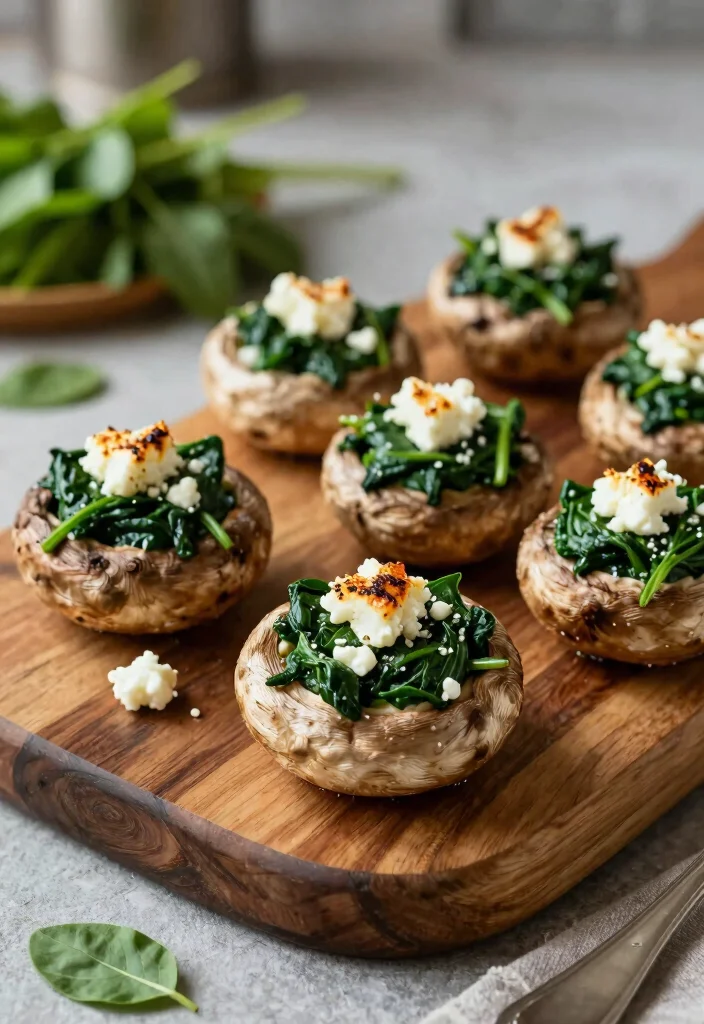
Want to impress your guests with a simple yet elegant dish? These Spinach and Feta Stuffed Portobello Mushrooms are the answer! The meaty texture of the mushrooms combined with a creamy filling of spinach and feta creates a satisfying meal that feels indulgent but is quite healthy. Perfect for entertaining or a quick weeknight dinner—just bake, serve, and enjoy!
Ingredients:
– 4 large portobello mushrooms, stems removed
– 2 cups fresh spinach, chopped
– ½ cup feta cheese, crumbled
– 1 clove garlic, minced
– 2 tablespoons olive oil
– Salt and pepper to taste
1. Preheat oven to 375°F (190°C).
2. In a skillet, heat olive oil and sauté garlic for 1 minute. Add spinach and cook until wilted.
3. In a bowl, mix sautéed spinach with feta cheese, salt, and pepper.
4. Stuff the mixture into each mushroom cap and place on a baking sheet.
5. Bake for 20 minutes until mushrooms are tender and filling is warm.


– Pair with a simple green salad for a complete meal.
– Swap feta with vegan cheese for a dairy-free option.
FAQs:
– Can I make these ahead of time? Yes, just reheat them before serving!
10. Beetroot and Goat Cheese Salad
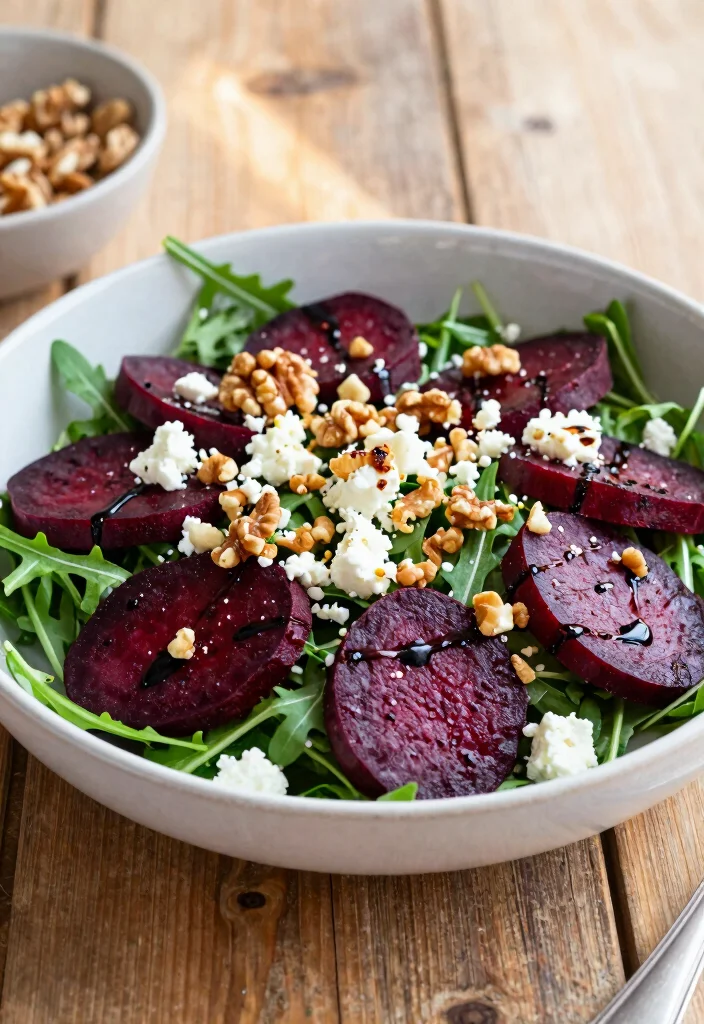
Ready to indulge in a salad that excites the palate? The Beetroot and Goat Cheese Salad is a delicious blend of sweet, roasted beets and creamy goat cheese, set against a backdrop of peppery arugula. Drizzled with a balsamic reduction, this dish is both simple and elegant, making it perfect for a lunch treat or a starter at dinner.
Ingredients:
– 4 medium beets, roasted and sliced
– 4 cups arugula
– ½ cup goat cheese, crumbled
– ¼ cup walnuts, toasted
– 3 tablespoons balsamic reduction
– Salt and pepper to taste
Instructions:
1. Preheat oven to 400°F (200°C).
2. Roast beets wrapped in foil for 30-40 minutes until tender. Allow to cool, then slice.
3. In a salad bowl, layer arugula, sliced beets, goat cheese, and walnuts.
4. Drizzle with balsamic reduction, and season with salt and pepper.
5. Serve immediately for best flavor.
– Use pre-cooked beets to save time!
– Experiment with different nuts for added crunch.
FAQs:
– Can I make this salad ahead of time? Yes, just keep the dressing separate until serving.
Beetroot and Goat Cheese Salad
Editor’s Choice


The Pioneer Woman Hattie 7-Piece Bamboo Melamine Salad Bowl Set, Multicolor

11. Cauliflower Rice Stir-Fry
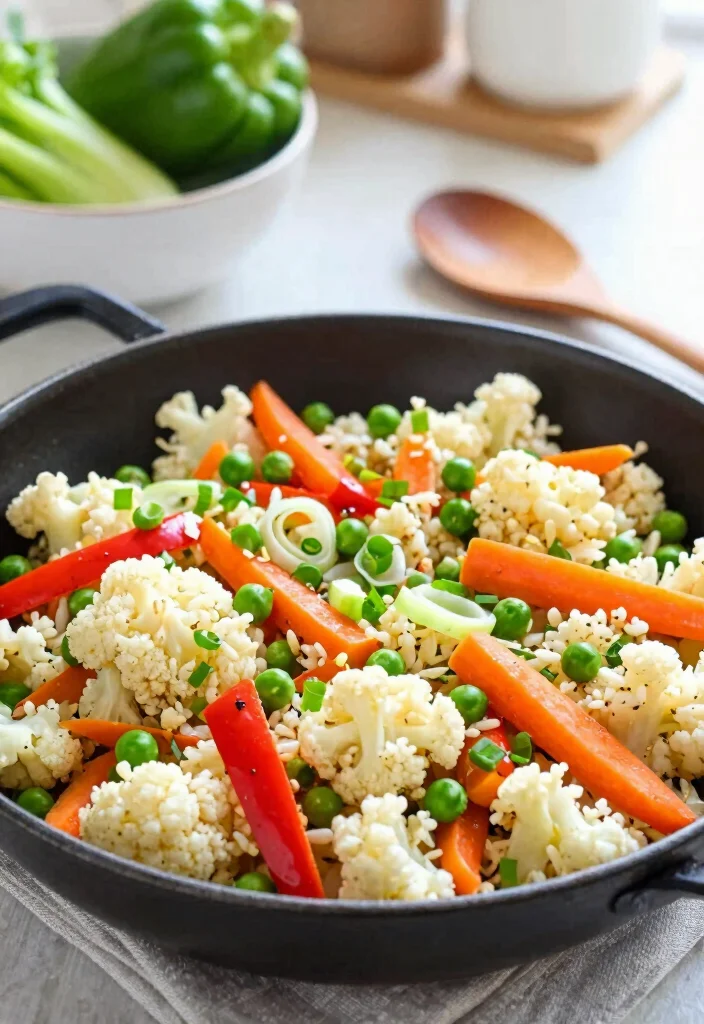
Looking to switch up your meals with a healthier option? Cauliflower Rice Stir-Fry is a fantastic low-carb alternative to traditional fried rice that doesn’t skimp on flavor! With finely riced cauliflower and a colorful medley of vegetables, this dish is quick to prepare and light on calories, making it perfect for a satisfying meal any day of the week.
Ingredients:
– 1 head of cauliflower, riced
– 2 cups mixed vegetables (carrots, peas, bell peppers)
– 2 tablespoons soy sauce
– 1 egg (optional)
– 1 tablespoon sesame oil
– Green onions for garnish
1. Rice the cauliflower using a food processor or box grater.
2. Heat sesame oil in a skillet over medium-high heat.
3. Add mixed vegetables and stir-fry for about 3-5 minutes.
4. Add riced cauliflower and soy sauce, and stir-fry for another 5 minutes.
5. If using, push the cauliflower rice to the side and scramble the egg in the skillet. Mix everything together and garnish with green onions.


– Use leftover cauliflower rice for an even quicker meal.
– Pack in more protein with tofu or chicken if desired.
FAQs:
– How do I store leftovers? Refrigerate in an airtight container for up to 2 days.
Fun fact: Cauliflower rice clocks in at about 25 calories per cup, versus roughly 205 calories for the same amount of white rice. That makes it a simple, low-carb swap for healthy veggie recipes you can whip up in minutes. Pro tip: pulse florets until rice-sized for fast weeknight meals.
Cauliflower Rice Stir-Fry
Editor’s Choice


12. Butternut Squash and Kale Salad
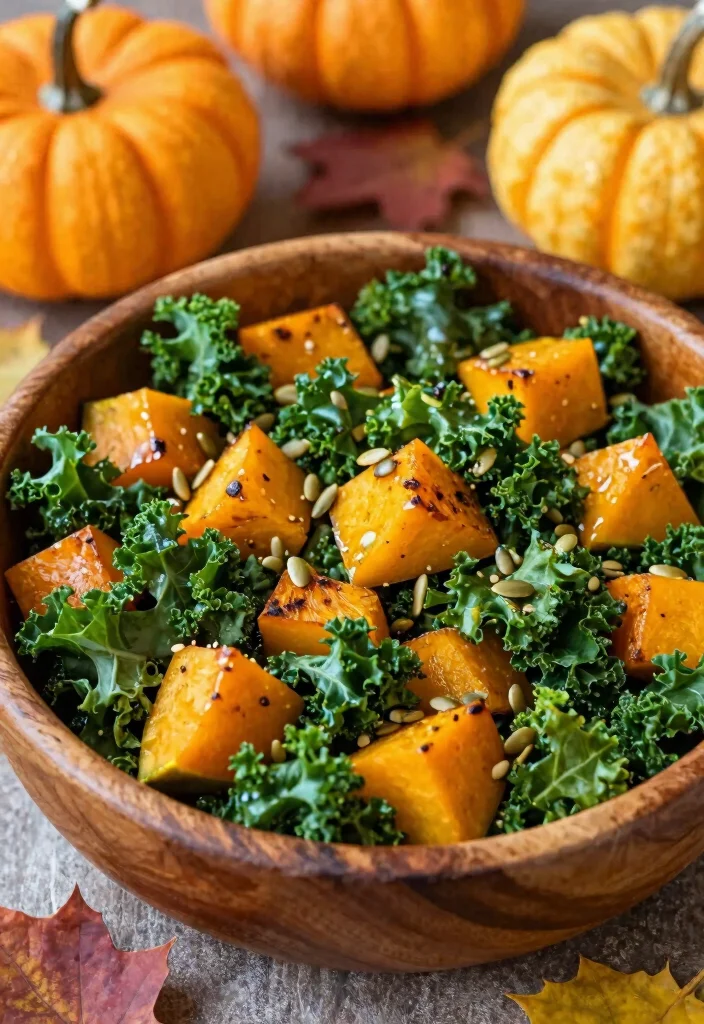
Embrace the flavors of fall with a Butternut Squash and Kale Salad. Roasted butternut squash adds a sweet, nutty taste to this hearty dish, complemented by earthy kale and topped with crunchy pumpkin seeds. Drizzled with maple vinaigrette, it’s a nourishing choice that’s perfect for meal prep or as a side at holiday gatherings.
Ingredients:
– 1 small butternut squash, peeled and cubed
– 4 cups kale, chopped
– ¼ cup pumpkin seeds, toasted
– 3 tablespoons olive oil
– 2 tablespoons maple syrup
– Salt and pepper to taste
1. Preheat the oven to 400°F (200°C).
2. Toss butternut squash with 2 tablespoons olive oil, salt, and pepper, and spread on a baking sheet.
3. Roast for 25 minutes until tender and slightly caramelized.
4. In a bowl, combine kale, roasted butternut squash, pumpkin seeds, remaining olive oil, and maple syrup.
5. Toss well to combine, and serve warm or at room temperature.


– This salad also works great with quinoa or farro added for extra texture.
– Make ahead for an easy lunch option during the week.
– Can I use frozen butternut squash? Fresh is best, but frozen will work if cooked properly.


Conclusion
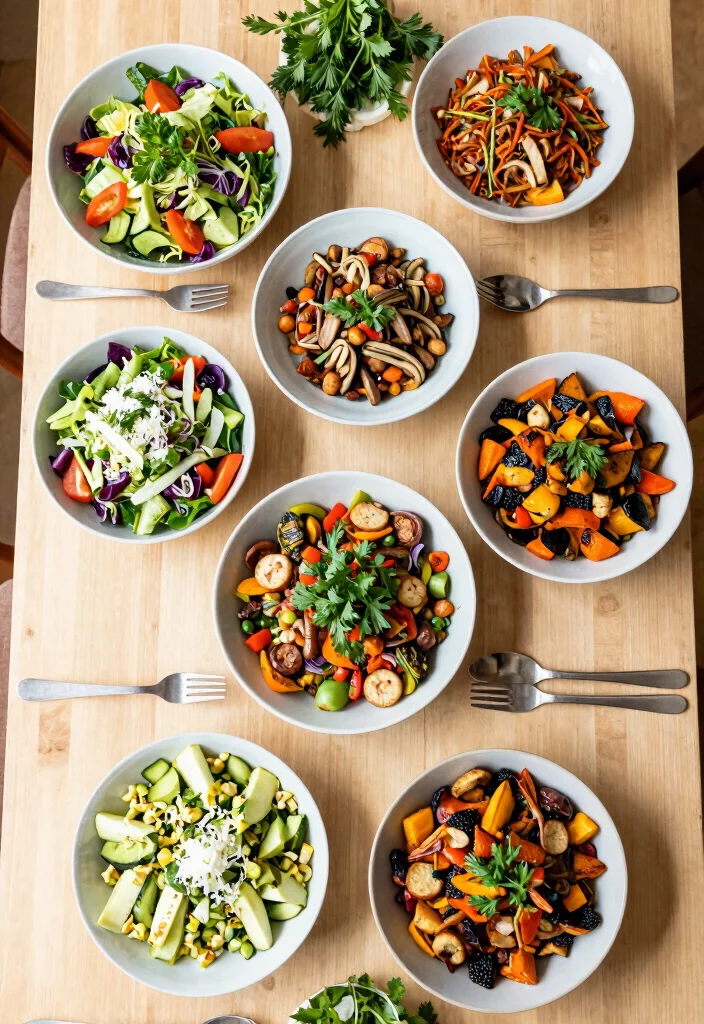
Embracing a plant-based diet doesn’t mean compromising on taste or variety. With these 12 healthy veggie recipes, you can ensure that every meal is not only nourishing but also bursting with flavor and color.
Experiment with these dishes, and let them inspire your meal prep adventures. As you discover new combinations and tastes, you’ll find that healthy eating can be both delightful and satisfying, even on the busiest of days!
Note: We aim to provide accurate product links, but some may occasionally expire or become unavailable. If this happens, please search directly on Amazon for the product or a suitable alternative.
This post contains Amazon affiliate links, meaning we may earn a small commission if you purchase through our links, at no extra cost to you.
Frequently Asked Questions
Question: What are the easiest healthy veggie recipes for busy professionals to meal prep?
Start with 3-4 simple staples and rotate them through the week. Look for healthy veggie recipes that share reusable components: roasted vegetables, quick sautéed greens, and protein-rich beans or lentils.
Batch-cook grains like quinoa or brown rice, pre-wash veggies, and portion into grab-and-go containers for vegetable meal prep.
Choose recipes that refrigerate or freeze well so you can assemble meals in minutes. This approach keeps nutrition high with nutritious plant-based dishes in mind and makes everyday cooking doable for busy days.
Question: How can I meal prep nutritious plant-based dishes that save time during the week?
To save time, pick 2-3 of the article’s recipes and batch-cook them on Sundays.
Use nutritious plant-based dishes that share pantry-friendly ingredients, like beans, whole grains, and roasted vegetables, to streamline shopping.
Create a simple meal-prep plan: cook a big batch of grains, roast a tray of veggies, and store them in labeled containers for easy lunch or dinner.
For easy veggie cooking, use versatile sauces and dressings you can pair with different proteins or greens.
Question: What fresh produce ideas keep easy veggie cooking varied and budget-friendly for wholesome vegetarian recipes?
Seasonal produce is your best friend for fresh produce ideas that make easy veggie cooking delicious.
Mix greens, root veggies, peppers, tomatoes, onions, and cruciferous picks to keep wholesome vegetarian recipes vibrant and varied.
Shop smart: buy in-season, consider frozen options to keep costs down, and keep a few pantry staples to turn fresh produce ideas into quick meals.
Question: How should I store and reheat healthy veggie recipes to preserve flavor and nutrition?
Store portions in airtight containers and label with dates, then refrigerate for up to 4 days or freeze for longer storage.
Reheat with texture in mind: warm sauces in a separate jar, reheat veggies in the oven or skillet to keep them from getting soggy, and microwave only when needed.
For healthy veggie recipes, add a quick fresh stir-in like herbs, lemon zest, or a splash of olive oil after reheating to boost flavor and nutrition.
Question: Can these healthy veggie recipes be adapted for common dietary needs like gluten-free or soy-free?
Yes. You can adapt many healthy veggie recipes for gluten-free or soy-free needs by swapping ingredients.
Use gluten-free grains like quinoa, rice, or buckwheat and check sauces—tamari is a gluten-free alternative to soy sauce.
For soy-free options, replace soy-based products with tahini, almond butter, or bean-based sauces, and rely on beans, lentils, and vegetables for protein.
Keep it practical by reading labels and choosing nutritious plant-based dishes that still fit your diet, all while enjoying easy veggie cooking.