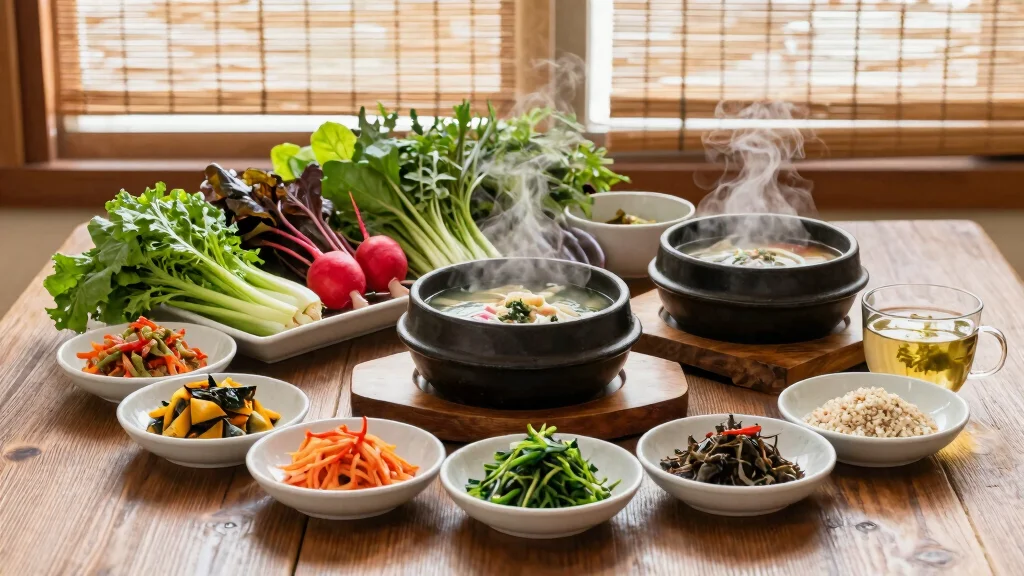
Korean cuisine has me craving fresh flavors and wholesome meals. With its focus on vibrant ingredients and healthy cooking techniques, it’s no wonder that Korean dishes are celebrated worldwide. I created this post to share 12 healthy Korean recipes that not only satisfy your taste buds but also nourish your body. These recipes come from the tradition of Korean temple cuisine, which emphasizes fresh ingredients and herbal elements that promote well-being.
If you’re someone who loves cooking or is simply looking to incorporate more nutritious meals into your diet, this collection is perfect for you. Whether you’re a seasoned chef or a beginner in the kitchen, you’ll find these recipes approachable and delightful. I’ve pulled together a mix of easy recipes that are healthy, flavorful, and will brighten up your dining table. Get ready to experience the goodness of Korean flavors with these wholesome dishes!
By the end of this post, you’ll have a variety of healthy Korean recipes at your fingertips. Each dish is packed with nutrition and is made with fresh ingredients, ensuring you enjoy every bite while feeling good about what you’re eating. Let’s dive into these delicious recipes that will inspire you to cook healthier meals at home!
Key Takeaways
– Discover 12 healthy Korean recipes that focus on fresh ingredients and wholesome flavors, perfect for any meal of the day.
– Each recipe highlights the essence of Korean temple cuisine, known for its nutritious and herbal components.
– These dishes are easy to prepare, making them suitable for cooks of all skill levels, from beginners to experienced chefs.
– Enjoy a variety of tastes with options like soups, stir-fries, and salads that cater to different dietary preferences.
– Cooking these healthy recipes at home helps you embrace a more balanced lifestyle while enjoying the rich flavors of Korean cuisine.
1. Soybean Sprout Soup (Kongnamul Guk)
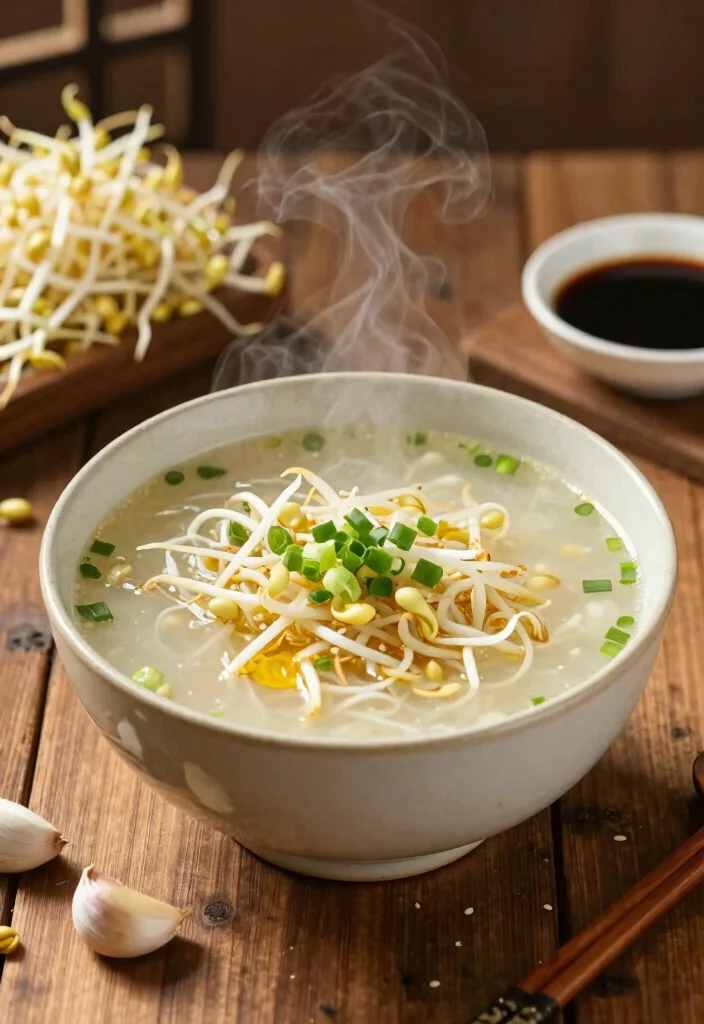
Craving a warm bowl of comfort? Soybean Sprout Soup is the perfect solution. This traditional Korean dish is light and flavorful, loaded with nutrients that your body craves. With its high vitamin C and iron content, this soup not only warms you up but also boosts your health in a delicious way. The simple broth, seasoned with garlic, sesame oil, and soy sauce, delivers rich flavors without overwhelming your taste buds. Plus, it’s incredibly easy to whip up at home!
Ingredients:
– 2 cups soybean sprouts
– 6 cups water
– 2 garlic cloves, minced
– 1 tablespoon sesame oil
– 2 tablespoons soy sauce
– Green onions for garnish
1. Rinse the soybean sprouts under cold water and drain well.
2. In a pot, bring water to a boil. Add the soybean sprouts and cook for about 5 minutes.
3. Stir in minced garlic, sesame oil, and soy sauce. Simmer for an additional 5 minutes.
4. Serve hot, garnished with chopped green onions.


For extra flavor, consider adding a small piece of dried anchovy to the broth while boiling.
– Is this soup gluten-free? Yes, just ensure you use gluten-free soy sauce.


Fun fact: Kongnamul Guk packs surprising vitamin C and iron in a light, comforting bowl. In healthy korean recipes, you can boost your health with a simple broth of garlic, sesame oil, and soy sauce—no heaviness, just flavor.
📹 Related Video: Soybean sprout soup (kongnamulguk:콩나물국)
2. Fermented Vegetable Side Dish (Kimchi)
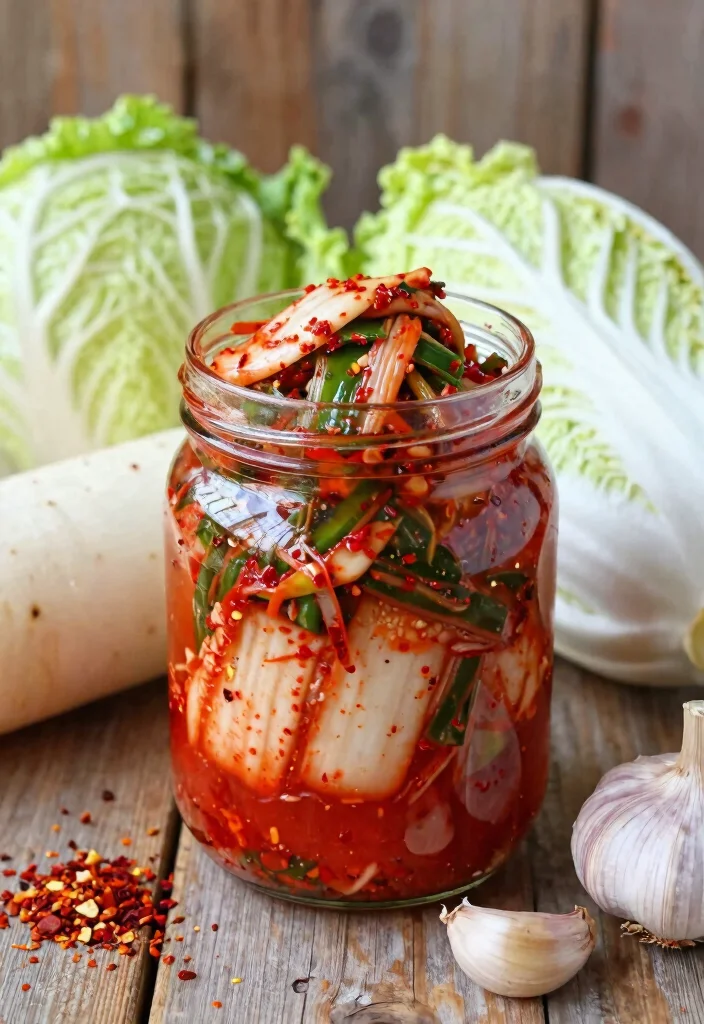
Looking for that perfect zing to elevate your meals? Kimchi is your go-to side dish. This iconic fermented vegetable mix is not only tangy and crunchy but also packed with probiotics for gut health. Made primarily with napa cabbage and radishes, kimchi is loaded with vitamins A, B, and C, making it a nutritious addition to any plate. The variety of spices involved enhances its flavor profile, making each bite a delightful experience.
Ingredients:
– 1 head napa cabbage
– 1 daikon radish, julienned
– 1 tablespoon sea salt
– 2 tablespoons Korean red pepper flakes (gochugaru)
– 4 garlic cloves, minced
– 1 tablespoon ginger, grated
– 1 tablespoon fish sauce (optional)
1. Cut the napa cabbage into quarters and sprinkle salt between the leaves. Let it sit for 2 hours.
2. In a bowl, mix gochugaru, garlic, ginger, and fish sauce.
3. Rinse the salted cabbage and combine with the radish and spice mixture.
4. Pack tightly into a jar and let it ferment at room temperature for 2-5 days. Refrigerate once fermented.


Adjust the spice levels based on your preference; reduce gochugaru for a milder taste.
FAQs:
– How long does homemade kimchi last? Properly stored, it can last several weeks in the refrigerator.
3. Healthy Bibimbap
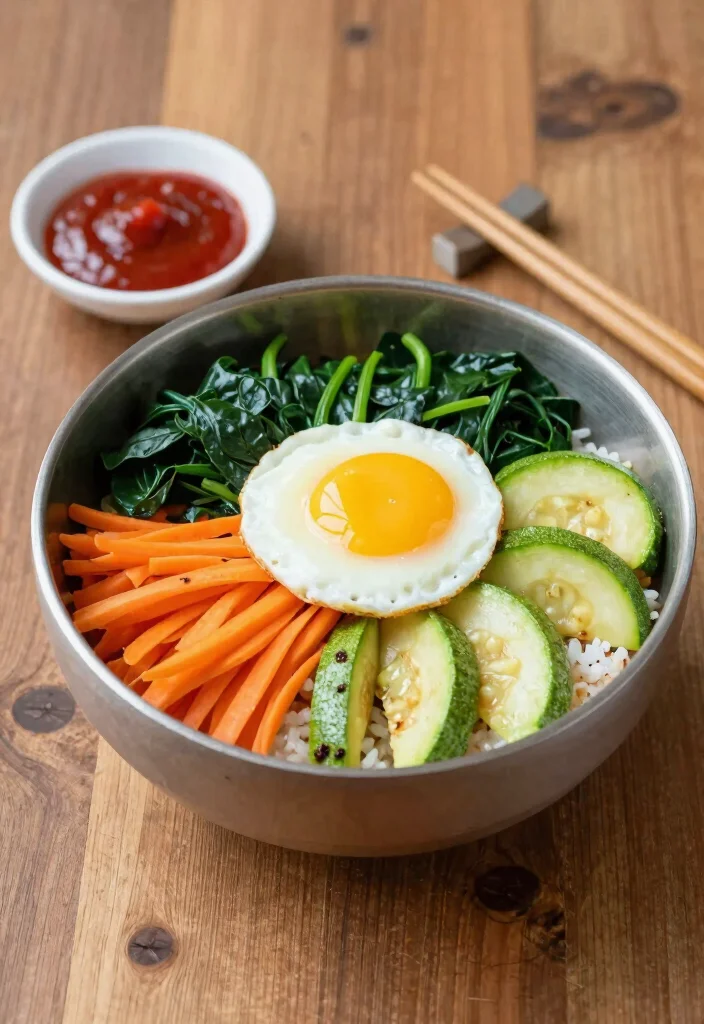
Want a colorful and nutritious meal? Bibimbap is the answer! This mixed rice dish is visually stunning and packed with healthy ingredients. Traditionally made with white rice, feel free to swap it with brown rice or quinoa for an added health boost. Topped with an array of sautéed vegetables, a perfectly fried egg, and a drizzle of gochujang, this dish is not only delicious but also satisfying.
Ingredients:
– 2 cups cooked rice (brown or white)
– 1 cup spinach, blanched
– 1 carrot, julienned
– 1 zucchini, julienned
– 1 cup bean sprouts
– 2 eggs
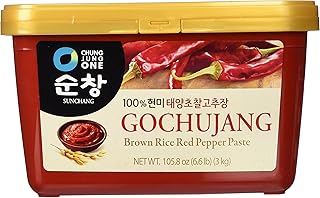
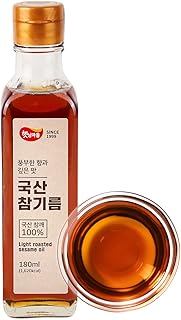
– Gochujang and sesame oil for drizzling
1. Divide the cooked rice into two bowls.
2. Arrange the spinach, carrot, zucchini, and bean sprouts on top of the rice.
3. In a pan, fry the eggs sunny side up.
4. Place an egg on each bowl, drizzle with gochujang and sesame oil, and mix before eating.


For added protein, include grilled chicken or tofu. Experiment with seasonal veggies for variety.
– Can I make bibimbap vegetarian? Absolutely! Omit the egg and add more veggies or tofu.


Fun fact: swapping white rice for brown rice or quinoa can boost fiber and protein in Bibimbap by up to 15–20%. Mix in colorful vegetables and a fried egg, and you’ve got a practical, delicious way to tackle healthy korean recipes at home.
Healthy Bibimbap
Editor’s Choice




4. Spicy Tofu and Vegetable Stir-Fry
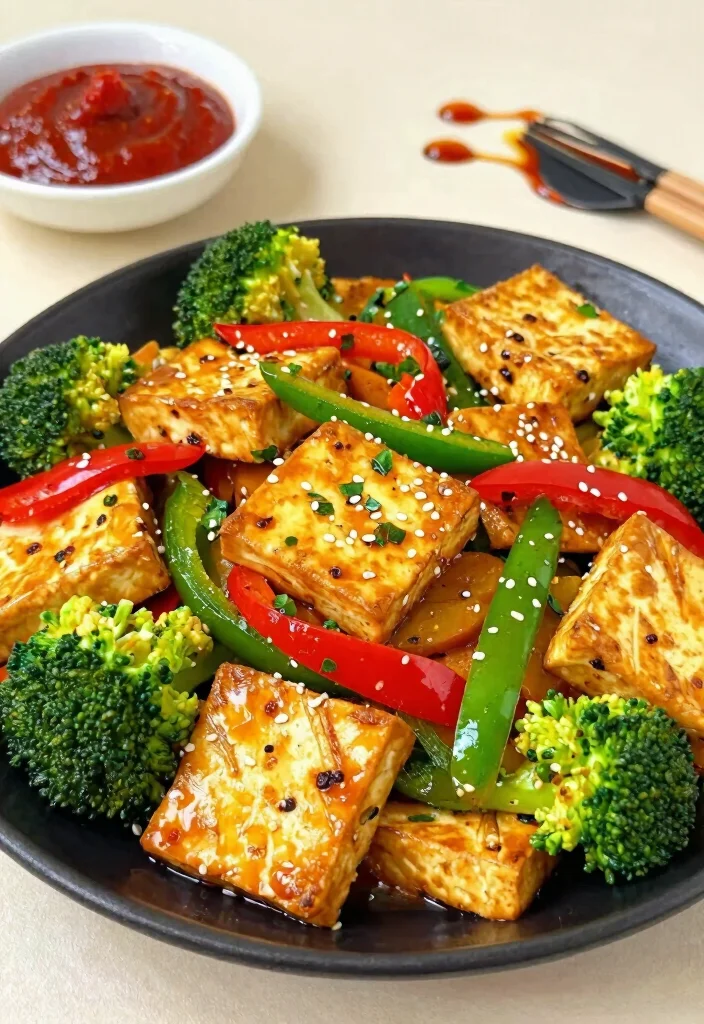
Craving something quick yet satisfying? Try a Spicy Tofu and Vegetable Stir-Fry. This dish combines firm tofu with vibrant veggies, stir-fried in a spicy sauce that’ll excite your taste buds. Tofu is an excellent source of protein, and when paired with fresh vegetables like bell peppers and broccoli, it creates a nutrient-rich meal that’s perfect for busy weeknights.
Ingredients:
– 1 block firm tofu, cubed
– 1 red bell pepper, sliced
– 1 cup broccoli florets
– 2 tablespoons soy sauce
– 1 tablespoon gochujang
– 2 tablespoons vegetable oil
1. Heat vegetable oil in a pan over medium heat and add tofu cubes, frying until golden.
2. Add bell pepper and broccoli, stirring occasionally.
3. In a bowl, mix soy sauce and gochujang, then pour over veggies and tofu.
4. Cook for an additional 3-5 minutes, tossing to coat everything well.



For a crunchier texture, reduce cooking time for the vegetables. Adding sesame seeds as a garnish enhances the flavor.
– Can I use frozen vegetables? Yes, but adjust cooking time accordingly.


5. Seaweed Salad (Miyeok Salad)
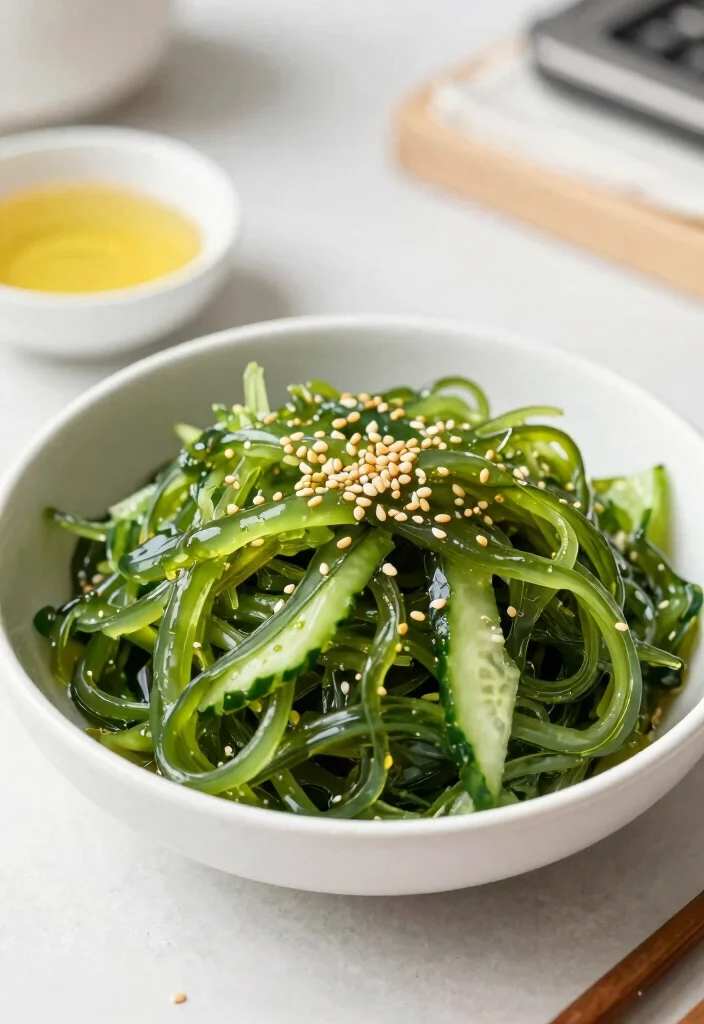
In search of a light and refreshing side? Seaweed Salad is a delicious choice that’s full of nutrients. Miyeok, or seaweed, is rich in vitamins and minerals, making this salad a fantastic addition to any meal. Dressed with a tangy sesame vinaigrette, it offers both savory and satisfying flavors. The crunchy texture of the seaweed combined with fresh cucumbers makes this dish delightful and unique.
Ingredients:
– 1 cup dried miyeok (seaweed)
– 1 cucumber, thinly sliced
– 2 tablespoons sesame oil
– 1 tablespoon rice vinegar
– 1 tablespoon soy sauce
– Sesame seeds for garnish
1. Soak dried miyeok in water for 20-30 minutes until rehydrated, then drain.
2. In a bowl, combine soaked seaweed, cucumber, sesame oil, rice vinegar, and soy sauce.
3. Toss well and let marinate for about 5 minutes.
4. Serve chilled, garnished with sesame seeds.


Adjust the dressing to your taste for more tang or sweetness. A splash of lemon juice adds a refreshing zing.
FAQs:
– Is seaweed salad gluten-free? Yes, as long as you use gluten-free soy sauce.
6. Brown Rice and Vegetable Sushi Rolls
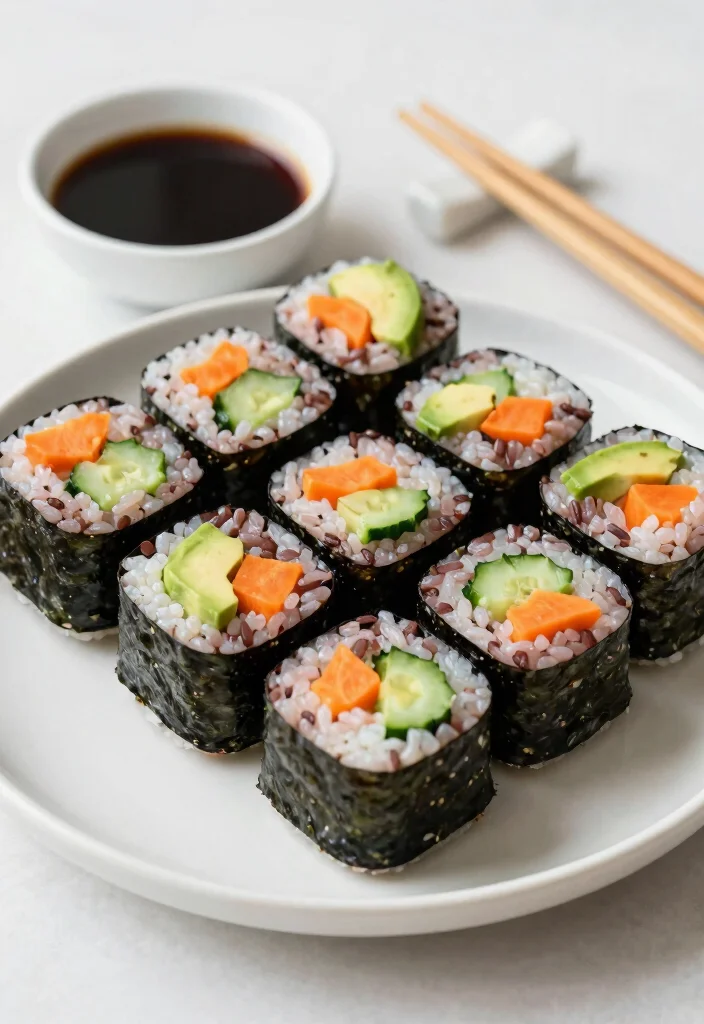
Want to get creative in the kitchen? Brown Rice and Vegetable Sushi Rolls are a fun way to enjoy sushi with a healthier twist. By using whole-grain brown rice instead of traditional white rice, these rolls pack in more nutrients. Stuffed with fresh vegetables like carrots, cucumbers, and avocado, they’re not only delicious but also visually appealing.
Ingredients:
– 2 cups cooked brown rice
– 4 sheets of nori (seaweed)
– 1 carrot, julienned
– 1 cucumber, julienned
– 1 avocado, sliced
– Soy sauce for dipping
1. Spread a sheet of nori on a bamboo mat.
2. Layer a thin layer of brown rice on the nori, leaving a small edge.
3. Arrange the vegetables in a line across the center of the rice.
4. Roll tightly and slice into pieces. Serve with soy sauce.


Experiment with your favorite vegetables or add protein like tofu or crab for added flavor.
FAQs:
– Can I make sushi rolls without a bamboo mat? Yes, a clean kitchen towel can help roll them up.
Fun fact: swapping white rice for brown rice can boost fiber by about 3-4x per roll. In brown rice and vegetable sushi rolls, you get more nutrients without sacrificing flavor—perfect for nourishing, easy healthy korean recipes.
7. Vegetable Pancakes (Jeon)

Looking for a tasty way to get your veggies in? Vegetable Pancakes, or Jeon, offer a delightful way to incorporate various vegetables into your meals. These savory pancakes are crispy on the outside while tender on the inside, making them satisfying for any meal of the day. You can use any combination of vegetables, like zucchini, carrots, and green onions, to customize your pancakes.
Ingredients:
– 1 cup grated zucchini
– 1 cup grated carrots
– 1/2 cup chopped green onions
– 1 cup flour
– 1 cup water
– Vegetable oil for frying
1. In a bowl, mix grated zucchini, carrots, green onions, flour, and water to create a batter.
2. Heat oil in a pan over medium heat.
3. Pour small amounts of the batter into the pan, flattening them into pancakes.
4. Cook until golden brown on both sides. Serve with soy sauce.


For extra crunch, add chopped kimchi to the batter. Adjust the batter thickness by adding more water or flour.
– Can I make Jeon ahead of time? Yes, you can prepare them in advance and reheat them in a pan before serving.



Vegetable Pancakes (Jeon)
Editor’s Choice


How To Choose Fresh Ingredients for Healthy Korean Recipes
When cooking healthy Korean recipes, fresh ingredients are key to achieving authentic flavors and nutritional benefits. Here’s how to select the best ingredients for your dishes:
1. Look for Seasonal Produce
Choosing seasonal fruits and vegetables ensures you get the freshest and most flavorful options available. Seasonal produce is often more nutritious since it hasn’t traveled long distances. Check your local farmer’s market or grocery store for what’s in season in your area. For instance, spring is great for fresh greens, while fall offers a bounty of root vegetables.
2. Check for Vibrant Colors
Fresh ingredients should have vibrant, rich colors. Bright greens, deep reds, and rich oranges indicate high nutrient content. For example, kale should be a deep green, and ripe tomatoes should be bright red. Dull or faded colors might mean the produce is overripe or past its prime. Always choose the freshest-looking items to enhance the flavors of your Korean dishes.
3. Smell Before You Buy
Use your sense of smell to assess the freshness of herbs and vegetables. For example, fresh cilantro and basil should have a strong, pleasant aroma. If the scent is weak or off-putting, the herbs may not be fresh. This step is especially important when selecting items like garlic or ginger, which can add a significant flavor base to your recipes.
4. Feel the Texture
The texture of your ingredients can tell you a lot about their freshness. Fresh vegetables should be firm, not wilted or mushy. For instance, cucumber should feel crispy and not soft. Likewise, when selecting tofu, choose firm varieties that are well-sealed and have no signs of excess moisture. Good texture ensures your dishes will have the right bite and mouthfeel.
5. Understand Sourcing
If possible, learn where your ingredients come from. Locally sourced items are often fresher and more flavorful than those shipped from afar. Knowing if your ingredients are organic can also impact their taste and nutritional value. Look for labels that indicate organic farming practices or ask your vendor about their sourcing methods.
6. Evaluate Price and Quality
While it can be tempting to go for the cheapest options, remember that quality matters in healthy cooking. Organic or locally grown produce might cost more but often provides better flavor and nutrition. Weigh the price against the quality to make the best choice for your health and culinary satisfaction. Don’t hesitate to spend a little extra on high-quality ingredients – they can elevate your healthy Korean recipes significantly.
Pro Tip: Keep a list of your favorite Korean ingredients and their substitutes. This will help you find the best options available at your local market, ensuring your healthy meals are always on point!
Selecting fresh ingredients enhances the flavor and nutrition of your healthy Korean recipes. By focusing on these criteria, you can create delicious, wholesome meals that are both satisfying and good for you. Enjoy experimenting with the vibrant, fresh flavors of Korean cuisine!
8. Sweet Potato Noodle Stir-Fry (Japchae)
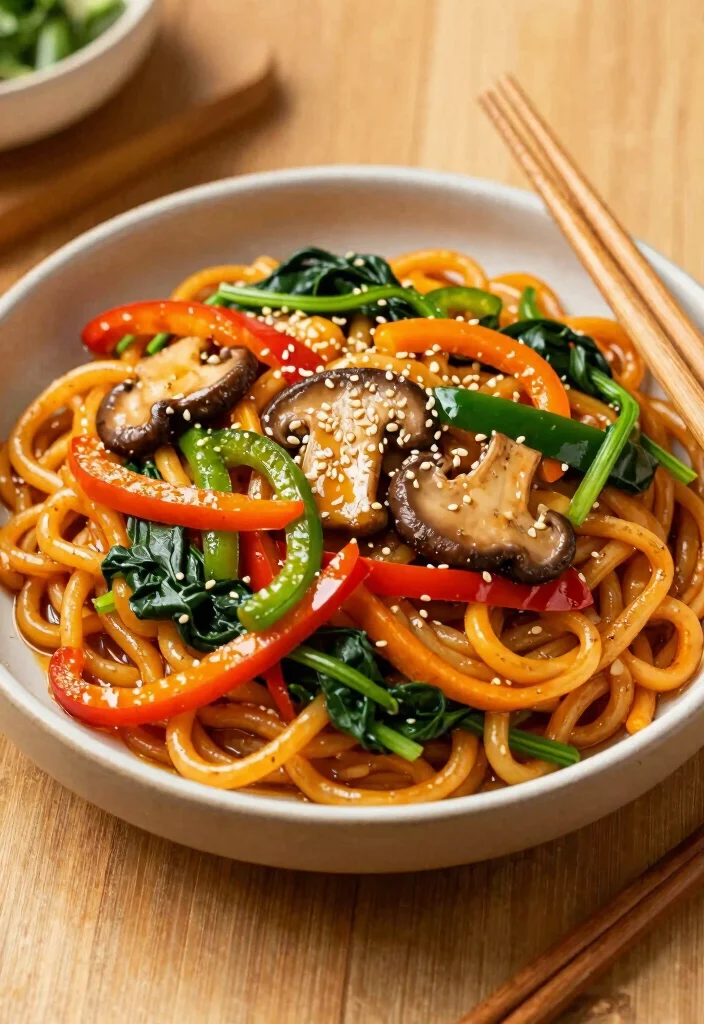
Craving a vibrant and nutritious dish? Japchae features sweet potato noodles in a stir-fry that’s full of flavor and color. These gluten-free noodles are rich in vitamins, making this dish an excellent choice for a health-conscious meal. The combination of colorful vegetables and a delicate soy-based sauce creates a dish that’s visually appealing and satisfying.
Ingredients:
– 8 ounces sweet potato noodles
– 1 cup bell peppers, sliced
– 1 cup mushrooms, sliced
– 1 cup spinach
– 3 tablespoons soy sauce
– 2 tablespoons sesame oil
1. Cook sweet potato noodles according to package instructions, then drain.
2. In a pan, heat sesame oil over medium heat and sauté bell peppers and mushrooms until softened.
3. Add cooked noodles and spinach to the pan, along with soy sauce. Stir-fry for a few minutes.
4. Serve hot, garnished with sesame seeds.


Add beef or chicken for a protein boost, and adjust the soy sauce to your taste for saltiness.
FAQs:
– How do I store leftovers? Keep them in an airtight container in the fridge for up to 3 days.
Sweet Potato Noodle Stir-Fry (Japchae)
Editor’s Choice


![Organic Glass Noodles – [12 Pack - 42oz] – Gluten-Free | Sugar Free | Ko...](https://m.media-amazon.com/images/I/61ECpu-fAmL._AC_UL640_QL65_.jpg "12 Healthy Korean Recipes with Fresh Flavor 37")
9. Spiced Lentil Stew

Need something hearty and comforting? A Spiced Lentil Stew will warm you right up. This nutritious option is bursting with flavors and packed with protein and fiber, making it a wholesome choice for any meal. Combining lentils with aromatic spices and seasonal vegetables creates a comforting bowl perfect for chilly days.
Ingredients:
– 1 cup lentils (any variety)
– 1 onion, diced
– 2 carrots, diced
– 2 celery stalks, diced
– 3 garlic cloves, minced
– 4 cups vegetable broth
– 1 tablespoon cumin
– 1 tablespoon coriander
– Salt and pepper to taste
1. In a pot, sauté onion, carrot, and celery until softened.
2. Add garlic, cumin, and coriander, cooking until fragrant.
3. Add lentils and vegetable broth, bringing to a boil. Reduce heat and simmer for 20-25 minutes until lentils are tender.
4. Season with salt and pepper. Serve hot.


Feel free to toss in any leftover vegetables for added nutrition. A squeeze of lemon before serving enhances the flavors.
FAQs:
– Can I freeze lentil stew? Yes, it freezes well for up to 3 months.
10. Herbal Rice with Ginseng
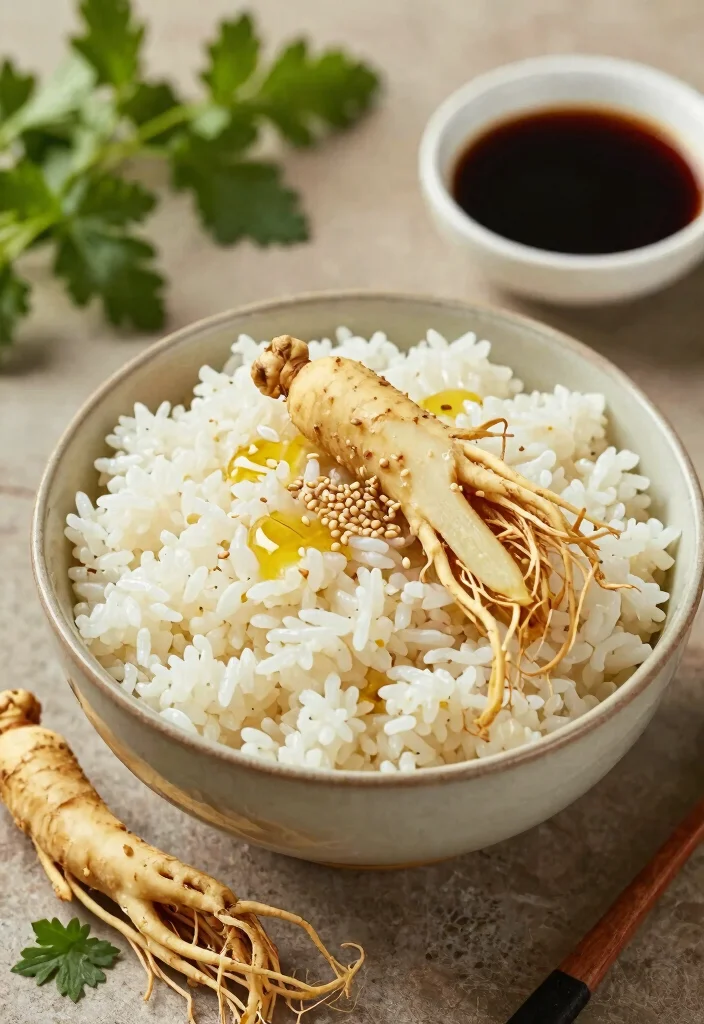
Want to elevate your meals with something unique? Herbal Rice with Ginseng offers incredible taste and health benefits. Ginseng is celebrated for its energy-boosting properties and is often used in Korean cuisine for its medicinal qualities. This dish combines rice with fragrant herbs, including ginseng, making it a wholesome side dish or light main course.
Ingredients:
– 2 cups brown rice
– 1 tablespoon dried ginseng, sliced
– 4 cups water
– 1 tablespoon soy sauce
– 1 tablespoon sesame oil
Instructions:
1. Rinse the brown rice until the water runs clear. In a pot, combine rice, ginseng, and water, then bring to a boil.
2. Reduce heat, cover, and simmer for about 20 minutes until rice is cooked.
3. Stir in soy sauce and sesame oil before serving.
For added nutrition, consider incorporating other herbs like dried jujube or goji berries.
FAQs:
– How does ginseng affect the taste? Ginseng adds a subtle, sweet, and earthy flavor to the rice.
Herbal Rice with Ginseng
Editor’s Choice


11. Galbitang (Beef Short Rib Soup)
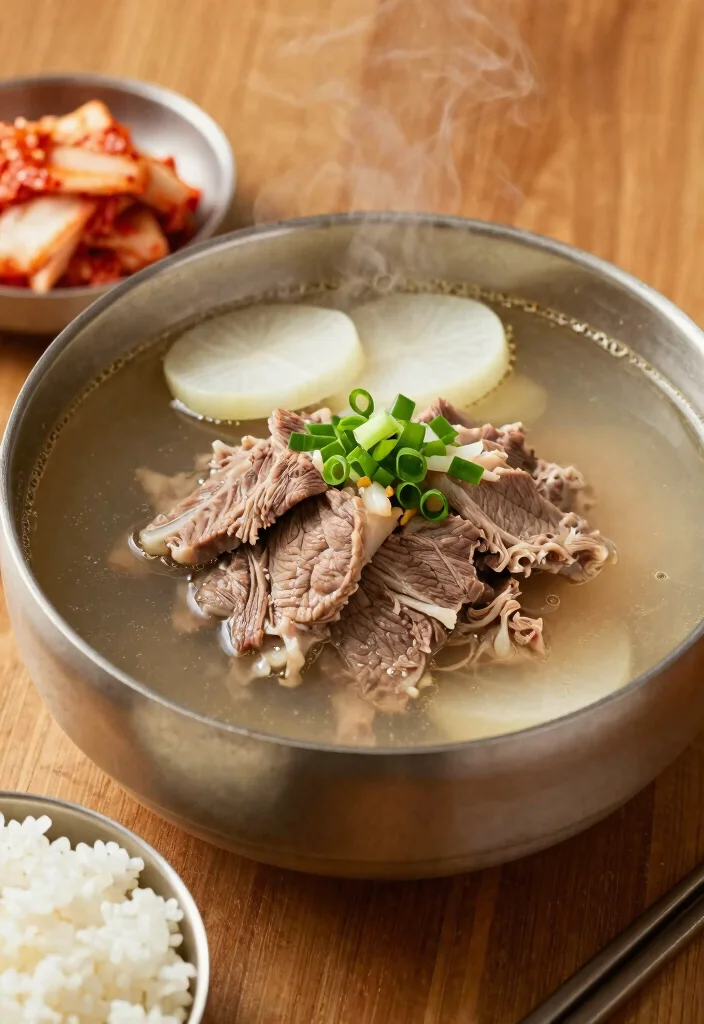
Looking for a heartwarming meal? Try Galbitang, a nourishing beef short rib soup that is both comforting and flavorful. Packed with protein and rich in taste, this soup is perfect for family gatherings or special occasions. The slow-cooked short ribs yield a tender texture, while the clear broth infused with garlic, green onions, and radishes adds depth to each spoonful.
Ingredients:
– 2 pounds beef short ribs
– 10 cups water
– 1 daikon radish, sliced
– 4 garlic cloves
– 4 green onions
– Salt to taste
Instructions:
1. In a pot, bring water to a boil and add beef short ribs, simmering for 10 minutes.
2. Skim off any foam, then add daikon, garlic, and salt.
3. Cover and cook on low heat for about 1.5 hours until the meat is tender.
4. Stir in chopped green onions before serving.
Serve hot with rice and kimchi for a complete meal. A sprinkle of black pepper can add extra flavor.
FAQs:
– Can I make this soup in advance? Yes, it tastes even better the next day as the flavors meld.
Galbitang (Beef Short Rib Soup)
Editor’s Choice


12. Fresh Fruit Soup
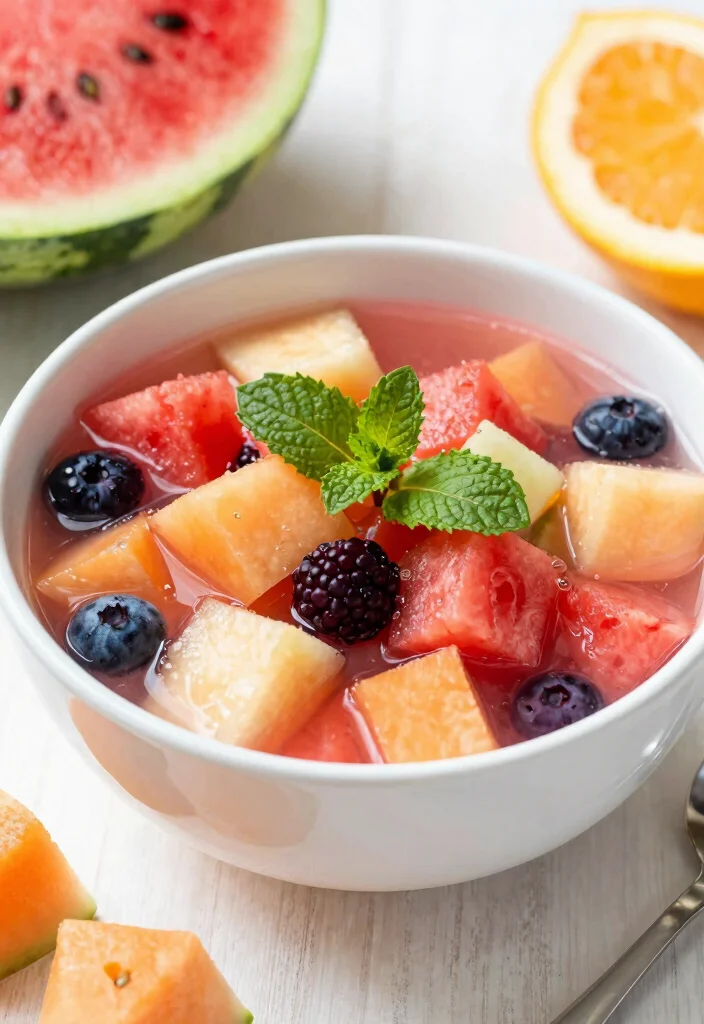
Want to finish your meal on a sweet note? A refreshing Fresh Fruit Soup is the perfect treat! This delightful dish combines seasonal fruits soaked in a light syrup, often with a hint of citrus or mint. It’s a light and healthy dessert that satisfies your sweet cravings while providing a burst of vitamins. Perfect for warm days, this soup feels indulgent yet guilt-free!
Ingredients:
– 2 cups diced mixed fruits (such as watermelon, melon, and berries)
– 1/4 cup honey or agave syrup
– 1 tablespoon lime juice
– Fresh mint for garnish
1. In a bowl, combine diced fruits, honey, and lime juice, tossing gently.
2. Let it sit for about 10 minutes to meld the flavors.
3. Serve chilled, garnished with fresh mint.



You can experiment with different fruits based on the season. A splash of sparkling water can add a fizzy twist!
FAQs:
– Can I make this in advance? Yes, but it’s best served fresh to maintain the fruits’ texture.
Conclusion
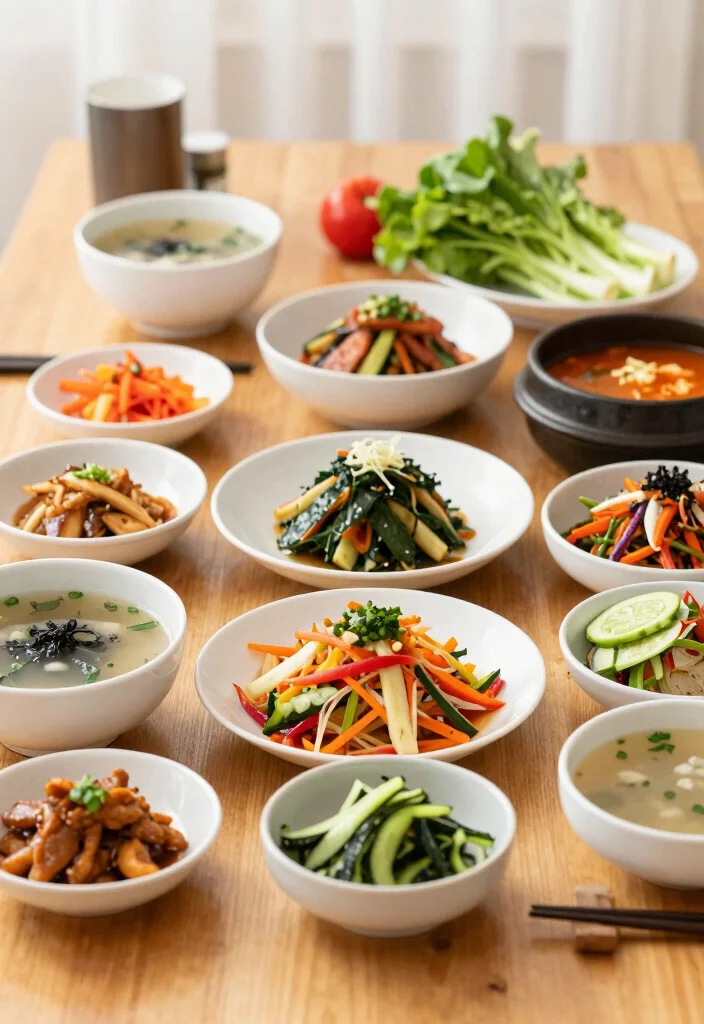
Exploring the world of healthy Korean recipes introduces vibrant flavors and nourishing ingredients into everyday meals.
Korean temple cuisine not only celebrates freshness but also encourages mindful eating, making it a wonderful addition to any healthy lifestyle.
Whether you’re preparing a comforting soup or a refreshing salad, these recipes offer delicious ways to enjoy the benefits of wholesome ingredients. Dive into this culinary journey and share your favorites with friends and family!
Note: We aim to provide accurate product links, but some may occasionally expire or become unavailable. If this happens, please search directly on Amazon for the product or a suitable alternative.
This post contains Amazon affiliate links, meaning we may earn a small commission if you purchase through our links, at no extra cost to you.
Frequently Asked Questions
Question: What makes these healthy Korean recipes with fresh flavor unique?
These recipes blend Korean temple cuisine principles—herbal, plant-based, and minimally processed ingredients—with modern eating needs. They spotlight fresh ingredients and nutritious meals cooked with simple, easy recipes techniques. You’ll find bright broths, sautéed greens, and probiotic-friendly ferments that honor Korean cuisine without heaviness. Each dish is designed for everyday healthy cooking and real-world meal planning.
Whether you’re cooking for yourself or the whole family, these dishes show that healthy Korean recipes can be flavorful, accessible, and satisfying.
Question: How can I use fresh ingredients from these recipes to make easy meals at home?
Start with a couple of dishes that use similar fresh ingredients, like greens, mushrooms, tofu, and sesame flavors. Buy seasonal produce and stock the pantry staples that define Korean temple cooking, such as gochujang, doenjang, and sesame oil. Use quick simmer broths and one-pan methods to keep preparation simple and easy recipes to follow. Batch-cook sauces and greens so you can assemble nutritious meals in minutes, turning Korean cuisine flavors into everyday meals. Finally, taste and adjust with herbs and a splash of vinegar or citrus to keep things bright and fresh.
Question: Are these recipes beginner-friendly and suitable for family meals?
Absolutely. These temple-inspired dishes are designed for home cooks of all levels. The steps are clear, ingredients are commonly available, and flavors are approachable rather than intimidating. Swap spicy elements for milder options to please kids, or add heat for adults. They’re perfect for healthy cooking at home and making nutritious meals that the whole family will enjoy.
Question: Can these recipes be prepared ahead for nutritious meals throughout the week?
Yes. Many dishes in this set adapt well to meal prep. Cook a big pot of greens, a tofu-based protein, or a light broth early in the week, store in airtight containers, and reheat gently. For sauces, keep a fresh ingredients sauce separate and mix later to preserve flavor and texture. These approaches let you assemble quick, balanced lunches and dinners that align with healthy korean recipes and nutritious meals goals.
Question: Do these recipes accommodate common dietary needs like vegan, gluten-free, or low-sodium?
Yes—these recipes can be adapted to many dietary needs. Many dishes are naturally vegan or vegetarian; for gluten-free options, swap soy sauce with gluten-free tamari or coconut aminos, and check any noodles or miso for gluten. For lower sodium, use salt-reduced sauces and rely on garlic, chili, and herbs for flavor. Dairy-free options are easy by omitting any dairy-based toppings and using plant milks or water-based broths instead. With these tweaks, you’ll still enjoy the signature Korean cuisine flavors that define healthy cooking.