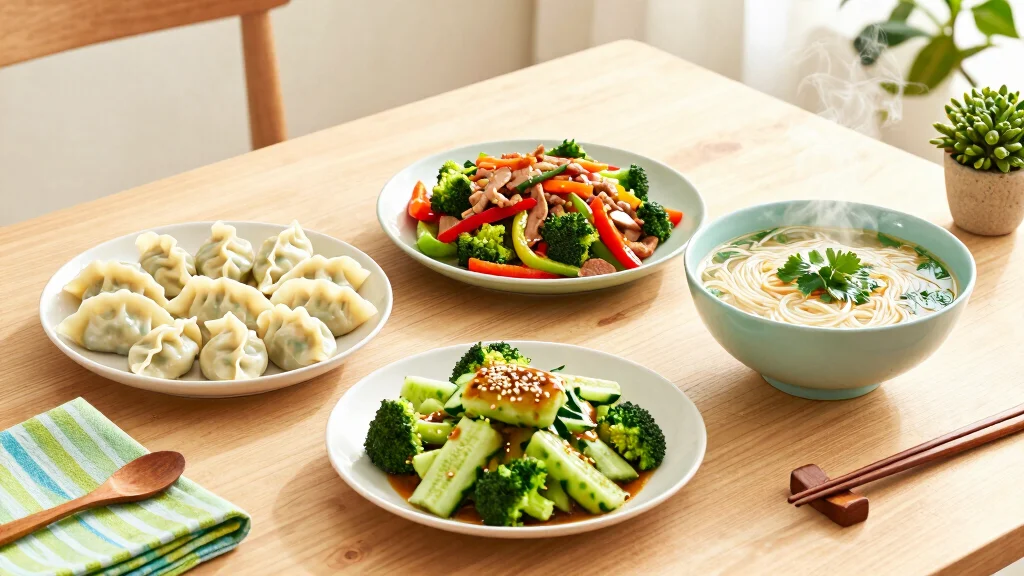
Eating healthy doesn’t mean you have to give up the bold flavors of your favorite Chinese dishes. The rich culinary heritage of Chinese cuisine offers endless possibilities, but sometimes the indulgent versions can weigh you down. That’s why I created this post—to bring you lighter, yet equally delicious, Chinese recipes that won’t compromise your health goals. With a focus on Szechuan cuisine, which is known for its spicy and vibrant flavors, you’ll discover a refreshing take on classic dishes that are both satisfying and nutritious.
If you enjoy exploring light Chinese cuisine or are seeking nutritious Asian dishes to incorporate into your meal prep, you’re in the right place. This collection is tailored for health-conscious food lovers who care about what they eat and still want to experience the delightful tastes of Chinese cooking. From low-calorie stir-fry to wholesome noodle recipes, each recipe is designed to offer you guilt-free Chinese meals that can easily fit into your lifestyle.
In this post, you’ll find 12 healthy Chinese recipes with a lighter taste. Get ready to enjoy the delightful crunch of vegetables, the savory goodness of lean proteins, and the exciting kick of spices—all while keeping your meals fresh and nutritious. These recipes will not only please your palate but also nourish your body, making them perfect for any occasion, whether you’re cooking for yourself or hosting friends.
Key Takeaways
– Discover 12 healthy Chinese recipes that emphasize lighter, more nutritious ingredients while retaining delicious flavors.
– Enjoy light Chinese cuisine that includes low-calorie stir-fry and wholesome noodle recipes for everyday meals.
– Each recipe focuses on using fresh vegetables and lean proteins, making these meals nutritious Asian dishes you can feel good about.
– Find options like guilt-free Chinese meals that are perfect for meal prep or when entertaining guests.
– Experience the bold taste of lightened-up Szechuan cuisine that proves you don’t have to sacrifice flavor for health.
1. Spicy Szechuan Shrimp
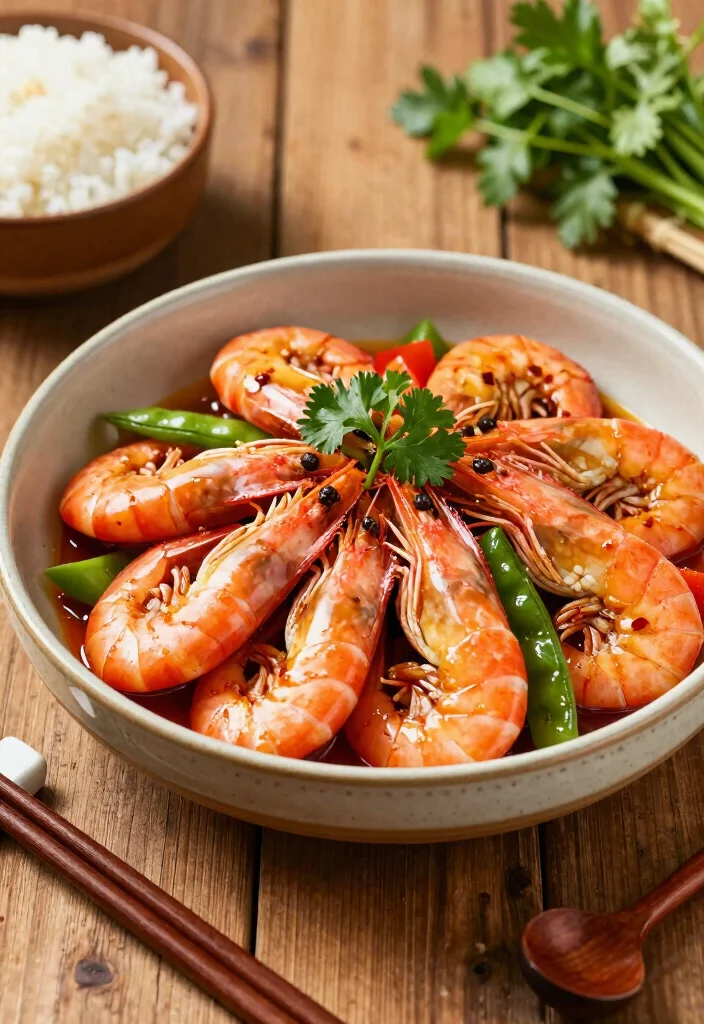
Craving a meal that’s both zesty and satisfying? This Spicy Szechuan Shrimp is just what you need. Fresh shrimp sautéed in a fiery Szechuan sauce paired with vibrant vegetables creates a dish that’s as nutritious as it is delicious. It’s quick to prepare, making it perfect for those bustling weeknights when you want something exciting yet healthy.
The shrimp are loaded with protein and omega-3 fatty acids, while the colorful vegetables boost your fiber and vitamin intake. This meal is a great way to enjoy bold flavors without feeling weighed down.
Ingredients:
– 1 lb large shrimp, peeled and deveined
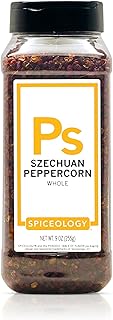
– 2 tablespoons Szechuan peppercorns
– 1 cup bell peppers, sliced
– 1 cup snap peas
– 3 cloves garlic, minced
– 1 tablespoon ginger, grated
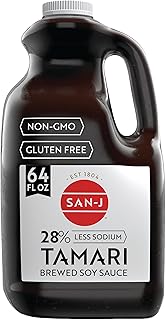
– 3 tablespoons soy sauce (low sodium)
– 1 tablespoon rice vinegar
– 1 tablespoon chili paste
– 1 teaspoon sesame oil
Instructions:
1. Heat sesame oil in a large skillet over medium heat.
2. Add garlic and ginger, sauté for about 30 seconds until fragrant.
3. Toss in the shrimp and cook until pink (about 3-4 minutes).
4. Stir in bell peppers and snap peas, cooking for an additional 3 minutes.
5. Mix soy sauce, rice vinegar, and chili paste in a bowl, then pour over shrimp and veggies. Cook for another minute to coat everything well.
6. Serve warm with steamed rice or quinoa for a wholesome experience.
– Adjust the spice level by adding more or less chili paste based on your preference.
– Pairing with brown rice increases the fiber content for an even healthier touch.
FAQs:
– Can I use frozen shrimp? Yes, just ensure they are fully thawed before cooking.
– How can I store leftovers? Keep in an airtight container in the fridge for up to 3 days.
Spicy Szechuan Shrimp
Editor’s Choice




2. Lightened-Up Kung Pao Chicken
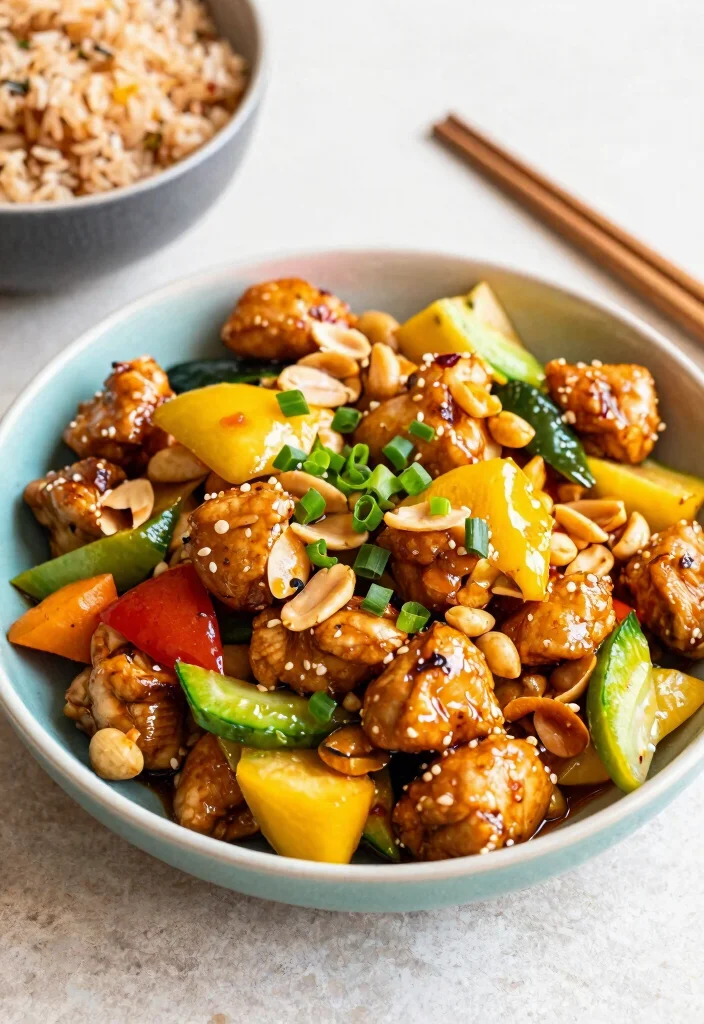
Looking for a dish that’s both indulgent and guilt-free? This Lightened-Up Kung Pao Chicken retains all the classic flavors while cutting down on calories. With tender chicken breast and a medley of crunchy veggies, you’ll enjoy a satisfying meal that won’t weigh you down. The sweet and tangy sauce adds just the right amount of flavor without the heaviness.
This recipe provides lean protein from chicken, healthy fats from peanuts, and essential vitamins from the vegetables. It’s a balanced dish that’s as delicious as it is nutritious.
Ingredients:
– 1 lb chicken breast, diced
– 1/2 cup unsalted peanuts
– 1 cup bell pepper, chopped
– 1 cup zucchini, sliced
– 1 tablespoon vegetable oil
– 1 tablespoon ginger, minced
– 2 cloves garlic, minced
– 3 tablespoons soy sauce (low sodium)
– 1 tablespoon vinegar
– 1 tablespoon honey
– 1 teaspoon cornstarch mixed with 2 tablespoons water
Instructions:
1. Heat oil in a large skillet over medium-high heat and add chicken, sauté until browned (about 5-7 minutes).
2. Add garlic and ginger; cook for 1 minute until fragrant.
3. Stir in bell peppers and zucchini, cooking for another 5 minutes.
4. In a bowl, mix soy sauce, vinegar, honey, and cornstarch mixture.
5. Pour sauce over chicken and vegetables, stir to coat, and cook for another 2-3 minutes until the sauce thickens.
6. Serve with steamed brown rice or whole grain noodles.
– Roasting the peanuts beforehand enhances their flavor.
– For a vegetarian option, replace chicken with tofu or additional vegetables.
FAQs:
– Can I make this dish ahead of time? Yes, but the veggies are best fresh.
– What can I substitute for honey? Maple syrup works well as a sweetener.
Lightened-Up Kung Pao Chicken
Editor’s Choice


3. Vegetable Lo Mein
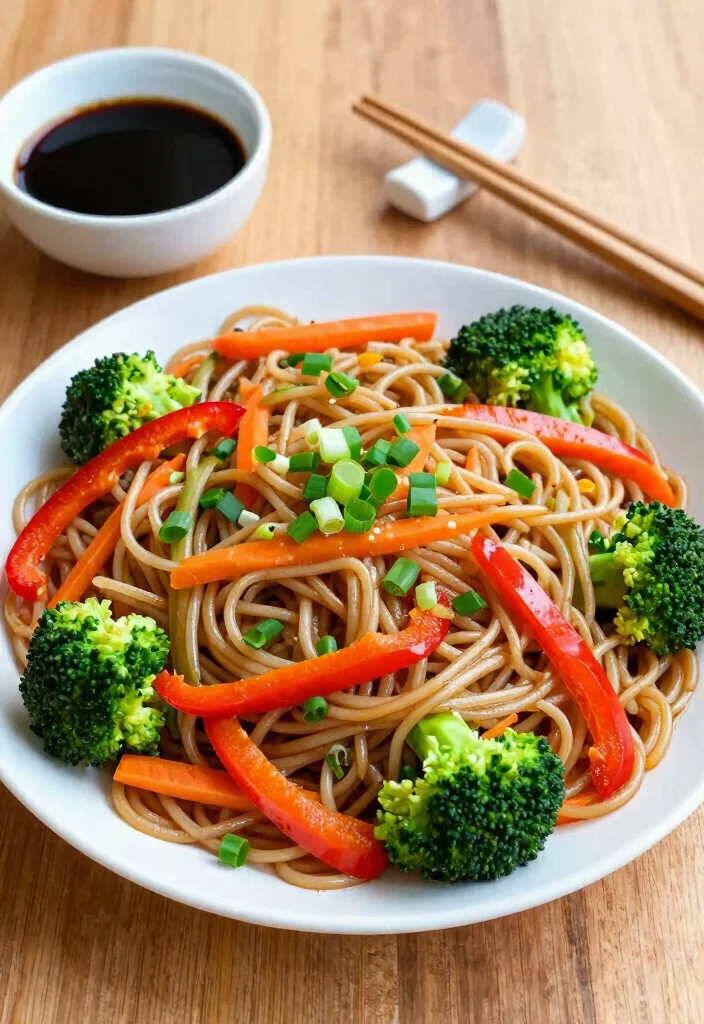
Craving a comforting noodle dish that won’t weigh you down? This Vegetable Lo Mein is a lighter twist on a classic favorite. Packed with fresh vegetables and whole grain noodles, it’s quick to prepare, making it ideal for busy evenings when you want something satisfying yet healthy. The stir-fry sauce brings everything together for a flavorful experience.
This dish is rich in fiber and vitamins, thanks to the vegetables, while whole grain noodles provide additional nutrients and keep you feeling full longer.
Ingredients:
– 8 oz whole grain lo mein noodles
– 2 cups mixed vegetables (carrots, bell peppers, broccoli)
– 2 tablespoons soy sauce (low sodium)
– 1 tablespoon sesame oil
– 1 tablespoon hoisin sauce
– 1 tablespoon ginger, minced
– 2 cloves garlic, minced
– 1 tablespoon green onions, sliced
Instructions:
1. Cook the lo mein noodles according to package instructions, then drain and set aside.
2. In a large skillet, heat sesame oil over medium heat. Add garlic and ginger, sauté for 1 minute.
3. Toss in mixed vegetables and stir-fry for about 5 minutes until tender.
4. Add cooked noodles, soy sauce, and hoisin sauce, mixing everything well and cooking for another 2-3 minutes.
5. Garnish with green onions and serve warm.
– Feel free to use any vegetables you have on hand for a personalized touch.
– For added protein, consider adding tofu or shrimp.
FAQs:
– Can I make this gluten-free? Absolutely, just use gluten-free noodles and soy sauce.
– How long can I store leftovers? Keep in an airtight container for up to 2 days in the refrigerator.
4. Ginger Soy Glazed Tofu
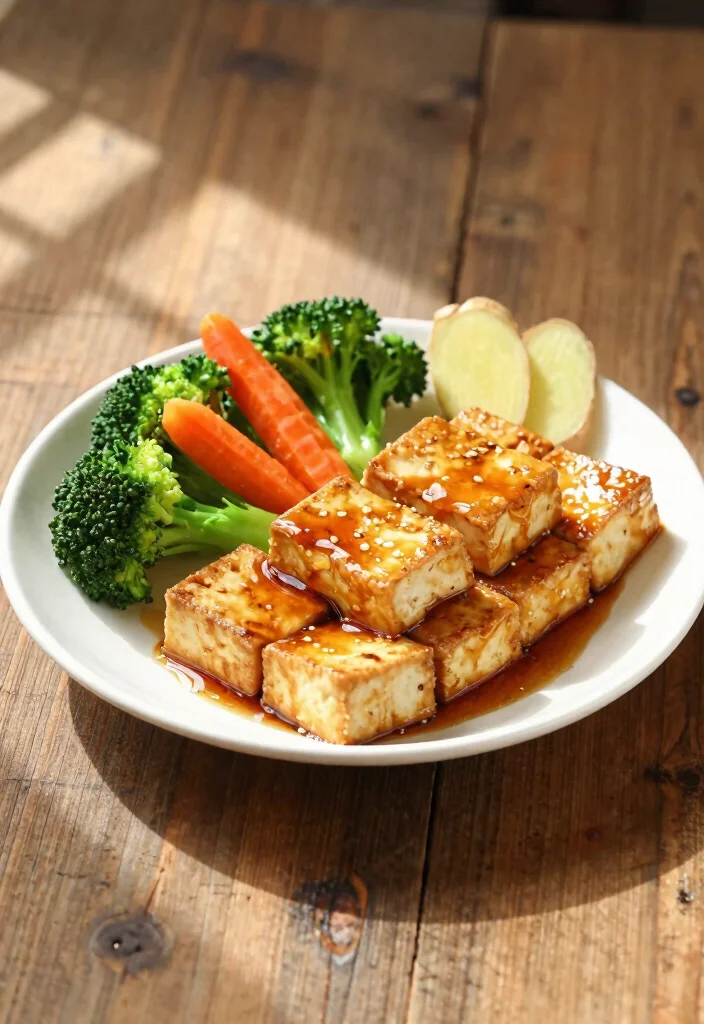
Want a flavorful vegetarian dish that’s easy to prepare? This Ginger Soy Glazed Tofu is a delicious option that’s light on calories but heavy on taste. Marinated in a zesty ginger-soy mixture and then sautéed to crispy perfection, it’s a satisfying meal that pairs wonderfully with steamed vegetables or a fresh salad.
Tofu is a fantastic source of plant-based protein and heart-healthy fats, while the added vegetables offer fiber and essential vitamins for a well-rounded meal.
Ingredients:
– 14 oz firm tofu, pressed and cut into cubes
– 1/4 cup soy sauce (low sodium)
– 2 tablespoons ginger, grated
– 1 tablespoon rice vinegar
– 1 tablespoon honey or agave syrup
– 1 tablespoon sesame oil
– 2 cups mixed steamed vegetables (broccoli, carrots, green beans)
Instructions:
1. In a bowl, combine soy sauce, ginger, rice vinegar, and honey/agave.
2. Add tofu cubes and marinate for at least 15 minutes.
3. Heat sesame oil in a skillet over medium heat.
4. Sauté the marinated tofu until golden brown on all sides (about 10 minutes).
5. Serve with steamed vegetables on the side.
– For extra crunch, consider baking the tofu instead of sautéing.
– Marinate longer for enhanced flavor; overnight is best!
FAQs:
– Can I use pressed tofu? Yes, it’s perfect for absorbing flavors.
– What can I serve with this dish? Brown rice or a fresh salad pairs beautifully.
Fun fact: ginger-soy glazed tofu makes healthy chinese recipes shine—under 300 calories, crispy on the outside, and full of bold flavor in minutes. It proves plant-based protein can be satisfying and light.
5. Szechuan Vegetable Stir-Fry
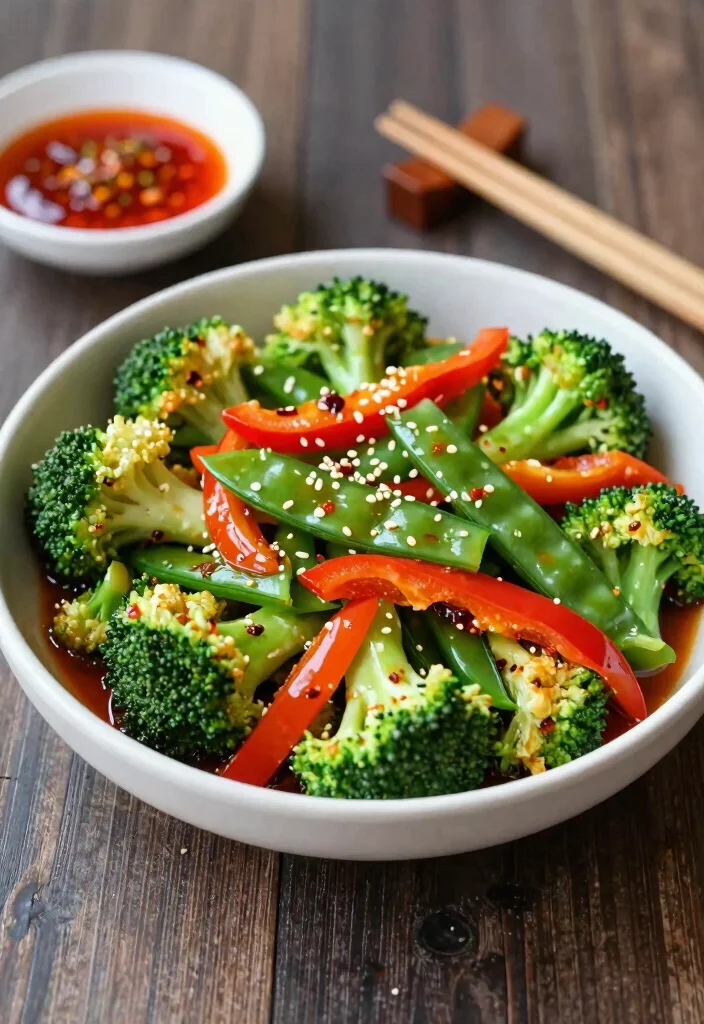
Looking for a vibrant dish that packs a punch? This Szechuan Vegetable Stir-Fry is bursting with fresh vegetables and a spicy sauce that elevates the flavor without adding excess calories. It’s quick and easy to make, perfect for a nutritious weeknight dinner that satisfies your cravings.
This stir-fry is loaded with antioxidants and vitamins, ensuring you get a filling meal that’s low in calories and high in fiber.
Ingredients:
– 2 cups broccoli florets
– 1 cup bell peppers, sliced
– 1 cup snap peas
– 2 tablespoons soy sauce (low sodium)
– 1 tablespoon chili sauce
– 1 tablespoon sesame oil
– 1 tablespoon garlic, minced
Instructions:
1. Heat sesame oil in a large pan over medium heat.
2. Add garlic and sauté for 30 seconds until fragrant.
3. Toss in broccoli, bell peppers, and snap peas, stir-frying for about 5 minutes.
4. Mix soy sauce and chili sauce, then add to the pan, cooking for another 2-3 minutes until everything is coated and heated through.
5. Serve immediately for the freshest flavor.
– Add tofu or chicken for more protein.
– Customize veggies based on your preferences or what is in season.
FAQs:
– Can I prepare this in advance? Yes, but it’s best fresh to maintain the crispness of vegetables.
– What can I serve with this? Brown rice or quinoa works well, or enjoy it on its own!
Did you know a 2-cup serving of Szechuan Vegetable Stir-Fry clocks in under 250 calories with 8–10 grams of fiber? This is the kind of healthy chinese recipes that keeps weeknights bright, spicy, and satisfying.
Szechuan Vegetable Stir-Fry
Editor’s Choice


📹 Related Video: How to Make Mildly Spicy Szechuan Cabbage Stir Fry in Minutes 四川手撕包菜 Chinese Vegetable Recipe
6. Cauliflower Fried Rice
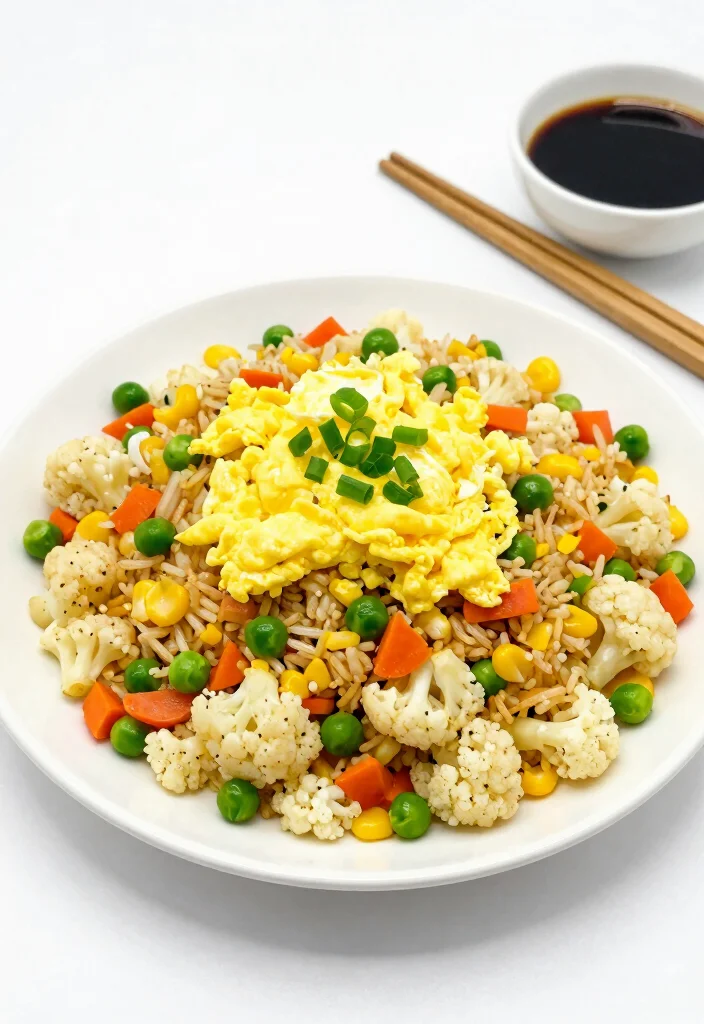
Craving fried rice but want a healthier option? This Cauliflower Fried Rice is your answer! Using riced cauliflower instead of traditional rice, this dish is loaded with flavor and veggies while keeping the calories low. It’s a fantastic way to sneak in more vegetables while enjoying the classic stir-fried taste.
Cauliflower is rich in vitamins and fiber, making this dish an excellent choice for those looking to maintain a healthy lifestyle without skimping on comfort food.
Ingredients:
– 1 medium head of cauliflower, riced
– 1 cup mixed vegetables (peas, carrots, corn)
– 2 eggs, beaten
– 3 tablespoons soy sauce (low sodium)
– 1 tablespoon sesame oil
– 2 green onions, sliced
– Salt and pepper to taste
Instructions:
1. In a large skillet, heat sesame oil over medium heat.
2. Add riced cauliflower and stir-fry for about 3-4 minutes.
3. Push cauliflower to the side and add beaten eggs, scrambling until cooked.
4. Mix in mixed vegetables, soy sauce, and cook for an additional 3-4 minutes.
5. Garnish with green onions, serve warm.
– For a vegan option, skip the eggs and add more vegetables.
– Adjust soy sauce to taste for your preferred saltiness.
FAQs:
– How can I make this ahead of time? It’s best eaten fresh but can be stored in the fridge for up to 3 days.
– Can I add meat? Absolutely, chicken or shrimp works well here.
Cauliflower Fried Rice
Editor’s Choice



7. Sweet and Sour Chicken (Light Version)
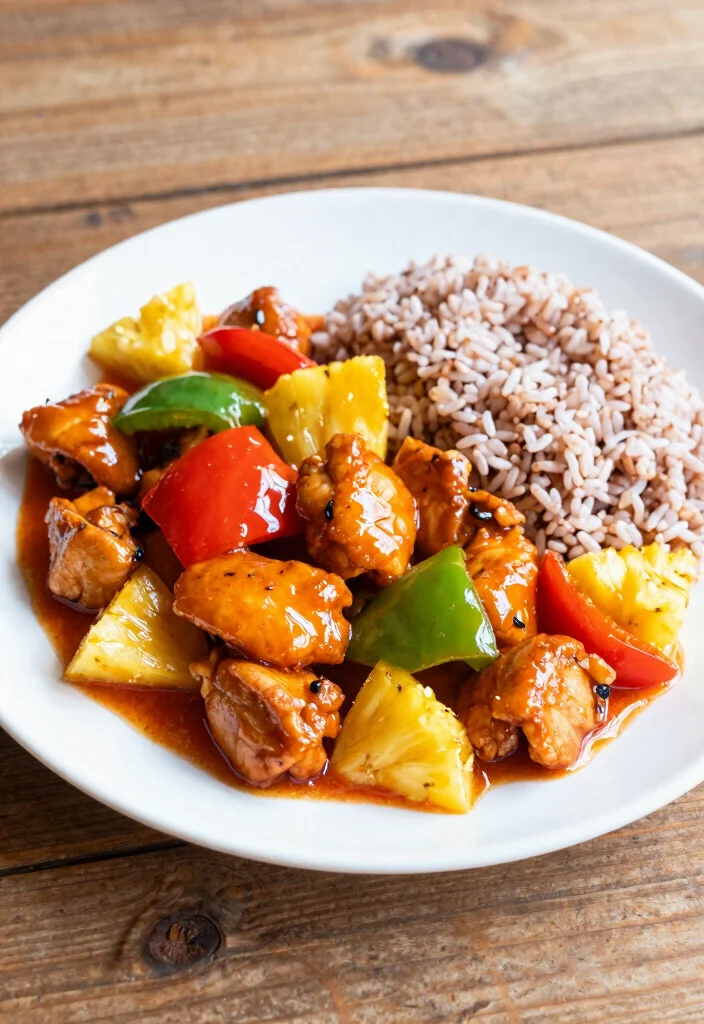
Craving sweet and sour flavors without the guilt? This lighter version of Sweet and Sour Chicken offers all the classic tastes without deep-frying. Using baked chicken breast and a homemade sauce, this dish is both flavorful and healthy. Pair it with brown rice or quinoa for a complete meal.
Baking the chicken reduces fat content, while the addition of bell peppers and pineapple packs in vitamins and antioxidants, making this a satisfying choice.
Ingredients:
– 1 lb chicken breast, cubed
– 1 cup bell peppers, chopped
– 1 cup pineapple chunks
– 1/4 cup rice vinegar
– 1/4 cup honey
– 3 tablespoons soy sauce (low sodium)
– 1 tablespoon cornstarch mixed with 2 tablespoons of water
Instructions:
1. Preheat the oven to 375°F (190°C).
2. Place cubed chicken on a baking sheet, drizzle with soy sauce, and bake for 20 minutes or until cooked through.
3. In a pan, mix rice vinegar, honey, and cornstarch mixture, cooking until it thickens.
4. Add bell peppers and pineapple, cooking for another 5 minutes.
5. Toss the cooked chicken with the sweet and sour sauce and serve warm.
– For extra crunch, add some chopped cashews before serving.
– You can substitute turkey for chicken for an alternative flavor.
FAQs:
– Can I make this vegetarian? Yes, replace chicken with tofu or tempeh.
– How long can leftovers be stored? Keep in the fridge for up to 2 days in an airtight container.
Sweet and Sour Chicken (Light Version)
Editor’s Choice


8. Lemon Garlic Stir-Fried Bok Choy
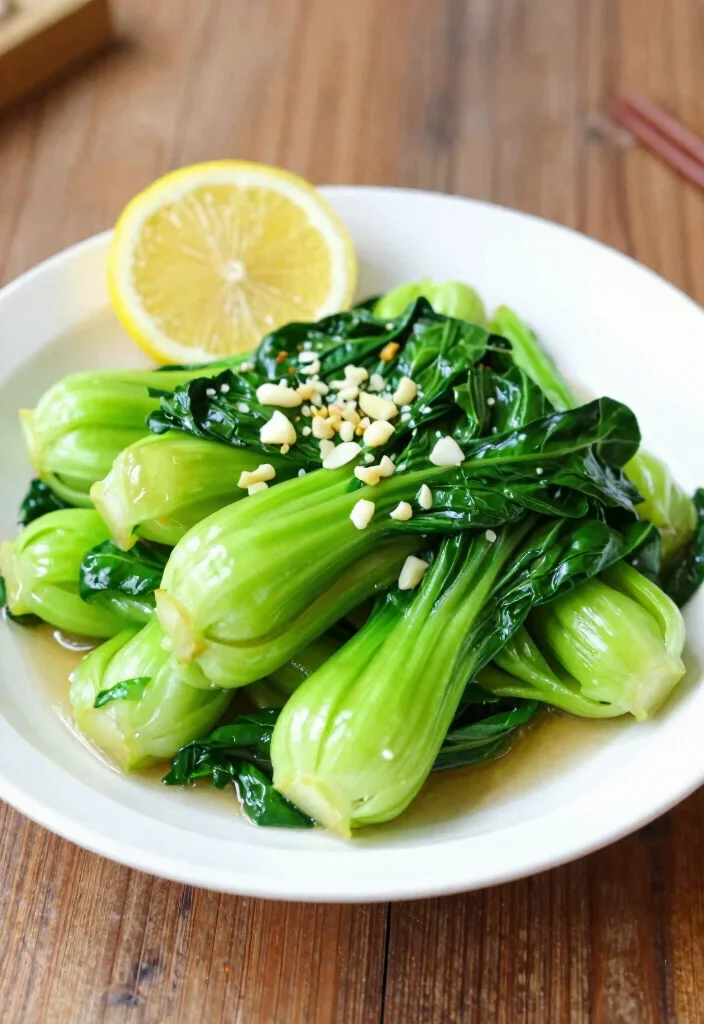
Looking for a refreshing side dish? This Lemon Garlic Stir-Fried Bok Choy is light and zesty, perfect for enhancing any meal. The crisp bok choy is quickly sautéed with garlic and finished with fresh lemon juice, creating a vibrant addition to your plate. It’s a simple way to enjoy your veggies with a burst of flavor.
Bok choy is low in calories and high in vitamins A and C, making it an excellent option for keeping meals healthy and delicious.
Ingredients:
– 1 lb bok choy, chopped
– 3 cloves garlic, minced
– 2 tablespoons olive oil
– Juice of 1 lemon
– Salt and pepper to taste
Instructions:
1. Heat olive oil in a large skillet over medium heat.
2. Add garlic and sauté for about 30 seconds until fragrant.
3. Toss in bok choy, stir-frying for about 3-5 minutes until vibrant and tender.
4. Squeeze fresh lemon juice over the stir-fried bok choy, season with salt and pepper, mixing well before serving.
– Serve alongside grilled chicken or fish for a well-rounded meal.
– For added texture, sprinkle sesame seeds on top before serving.
FAQs:
– Can I use other greens? Yes, spinach or kale can be substituted for bok choy.
– How can I store leftovers? Keep in an airtight container for up to 3 days.
9. Miso Glazed Eggplant
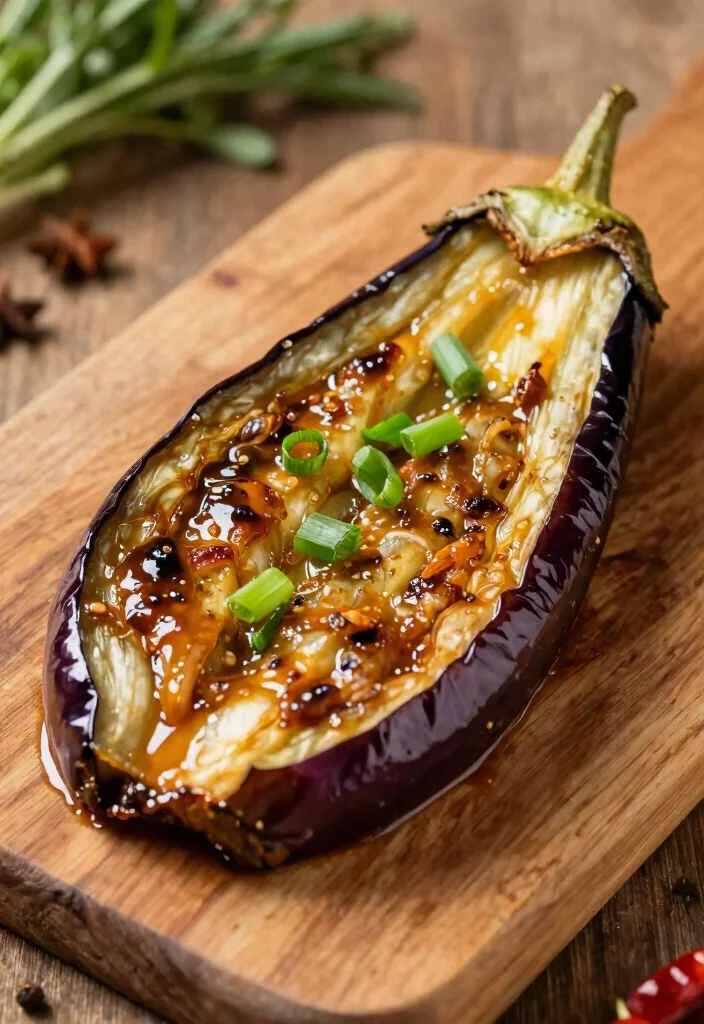
Craving a dish that’s both beautiful and nutritious? This Miso Glazed Eggplant is a delightful addition to any meal. Roasted until caramelized and tender, the eggplant is glazed with a savory miso sauce that adds a rich umami flavor. This dish is not only visually appealing but also easy to prepare and packed with nutrients.
Eggplants are low in calories and high in dietary fiber, making this dish satisfying without being heavy. Plus, miso adds beneficial probiotics to your diet, promoting gut health.
Ingredients:
– 2 medium eggplants, halved
– 1/4 cup miso paste
– 2 tablespoons mirin
– 1 tablespoon soy sauce (low sodium)
– 1 tablespoon sesame oil
– 1 tablespoon green onions, sliced (for garnish)
Instructions:
1. Preheat your oven to 400°F (200°C).
2. In a bowl, mix miso paste, mirin, soy sauce, and sesame oil until smooth.
3. Brush the cut side of the eggplants with the miso mixture.
4. Place eggplants cut side up on a baking sheet and roast for 25 minutes until tender.
5. Garnish with sliced green onions before serving warm.
– For extra flavor, add a sprinkle of sesame seeds on top before serving.
– This dish can be served as a main or side and pairs well with rice.
FAQs:
– Can I use a different type of eggplant? Yes, any variety will work, though cooking times may vary.
– How long can I store leftovers? Keep in the fridge for up to 3 days in an airtight container.
How To Choose Healthy Chinese Recipes
When you’re looking to prepare healthy Chinese recipes, you want to consider several factors to ensure you’re making nutritious and delicious meals. Here’s how to find the right recipes that fit your lifestyle and taste preferences.
1. Focus on Ingredients
Choose recipes that feature fresh, whole ingredients. Look for vegetables, lean proteins, and whole grains. Ingredients like bok choy, broccoli, garlic, and ginger not only enhance flavor but also provide essential nutrients. For proteins, opt for tofu, chicken breast, or shrimp instead of fatty cuts of meat. Always check if the recipe includes a variety of colors to ensure a range of vitamins and minerals.
2. Consider Cooking Methods
Cooking methods greatly affect the healthiness of your meal. Stir-frying with a small amount of oil is a common technique in Chinese cuisine and can be a low-calorie option if done properly. Steaming is another excellent method that keeps nutrients intact and enhances the natural flavors of vegetables. Try to avoid deep frying, as it significantly increases calorie counts.
3. Watch the Sauces
Chinese cuisine is known for its flavorful sauces, but they can also be high in sugar and sodium. When selecting recipes, look for those that use lighter sauces, or consider making your own. Soy sauce can be replaced with low-sodium versions, and you can use natural sweeteners like honey or maple syrup in moderation. Many healthy recipes even suggest using broth or spices to enhance flavor without relying heavily on sauces.
4. Portion Control
Healthy recipes should also consider portion sizes. Even nutritious meals can lead to weight gain if consumed in excess. Look for recipes that offer balanced portions of protein, carbs, and vegetables. If you’re preparing a dish that serves multiple people, consider scaling down the recipe or serving it with a side of soup or salad to ensure a satisfying yet smaller plate.
5. Adapt for Dietary Needs
Everyone has different dietary restrictions or preferences. Whether you’re looking for gluten-free, vegetarian, or low-carb options, many healthy Chinese recipes can be adjusted to meet your needs. For example, you can replace noodles with zucchini noodles or cauliflower rice to keep things lighter. Don’t hesitate to experiment with ingredients that suit your dietary requirements.
6. Presentation Matters
The way a meal looks can impact your enjoyment and satisfaction. Choose recipes that have vibrant colors and appealing presentations. A colorful plate with a variety of shapes and textures can make a simple dish feel gourmet. Garnishing with fresh herbs such as cilantro or green onions not only brightens the dish but also adds a fresh flavor.
Pro Tip: Start with recipes that have fewer than ten ingredients. This keeps things simple and helps you focus on mastering healthy cooking techniques without feeling overwhelmed. As you grow more comfortable, you can explore more complex recipes or adapt your favorites to make them healthier.
By considering these factors, you can choose healthy Chinese recipes that not only satisfy your taste buds but also align with your health goals. Happy cooking!
10. Chilled Cucumber Salad with Sesame Dressing
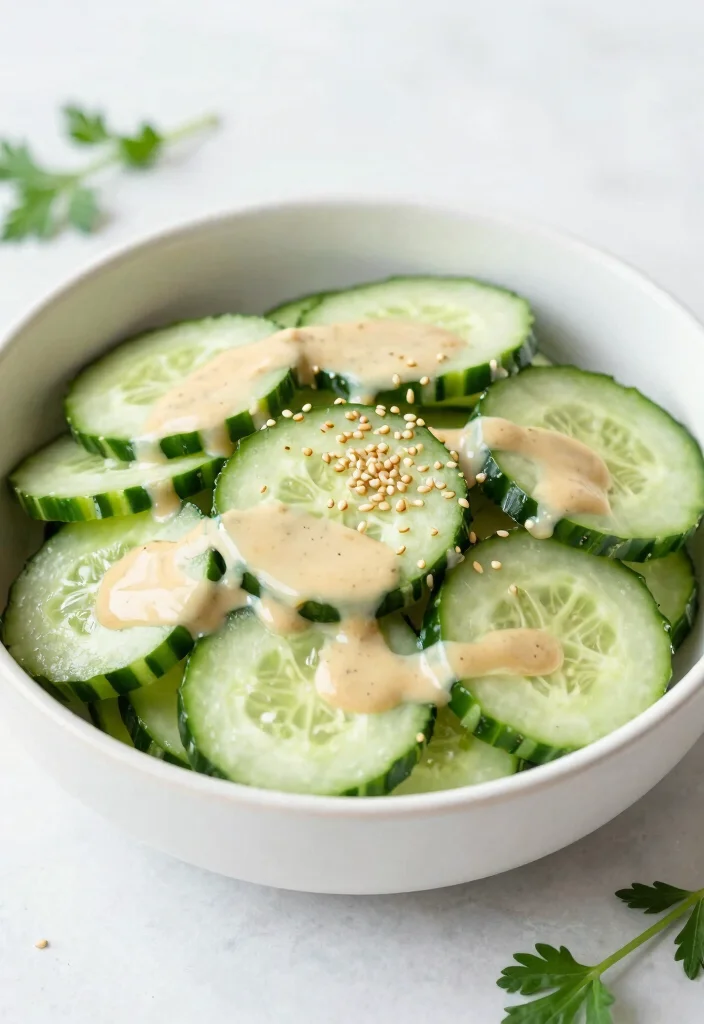
Looking for a refreshing dish perfect for warm days? This Chilled Cucumber Salad is light and crisp, ideal for accompanying any meal. Fresh cucumbers tossed in a creamy sesame dressing create a delightful combination that’s quick to prepare and full of flavor. It’s a simple yet satisfying addition to your table.
Cucumbers are low in calories and high in water content, making them a hydrating option. The sesame dressing provides healthy fats, ensuring the salad is satisfying without being heavy.
Ingredients:
– 2 large cucumbers, thinly sliced
– 1/4 cup tahini
– 2 tablespoons soy sauce (low sodium)
– 1 tablespoon rice vinegar
– 1 tablespoon sesame oil
– 1 tablespoon honey
– Sesame seeds for garnish
Instructions:
1. Slice cucumbers and place them in a bowl.
2. In another bowl, whisk together tahini, soy sauce, rice vinegar, sesame oil, and honey until smooth.
3. Pour the dressing over cucumbers and toss to coat.
4. Sprinkle with sesame seeds before serving chilled.
– Let the salad sit for 10 minutes before serving to allow flavors to meld.
– This salad pairs perfectly with grilled meats or tofu for a complete meal.
FAQs:
– Can I add other vegetables? Absolutely! Carrots or bell peppers work great.
– How long can I store the salad? Best enjoyed fresh, but it can be stored in the fridge for up to 2 days.
11. Thai Basil Chicken (Healthy Version)
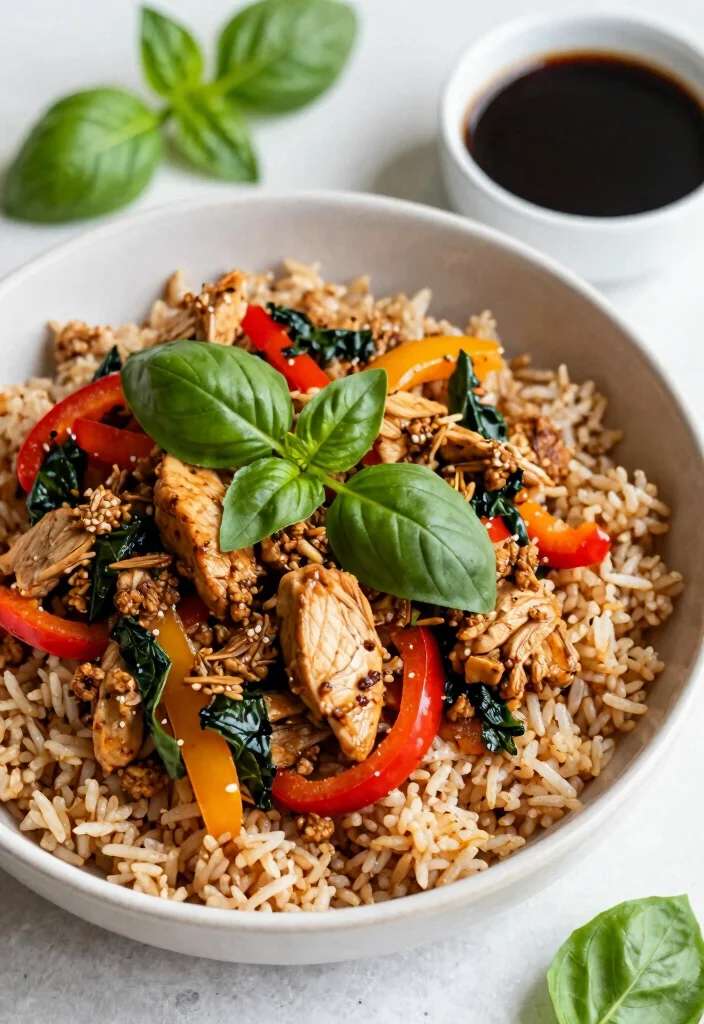
Craving a dish bursting with flavor that’s also healthy? This Thai Basil Chicken is a quick and delicious meal. Ground chicken is sautéed with aromatic basil and a light soy sauce mixture, creating a delightful dinner perfect for busy weeknights. Serve it over brown rice or whole grains for a balanced plate.
Ground chicken is leaner than traditional cuts, making it an excellent source of protein. The fresh basil adds a fragrant touch, while the addition of vegetables contributes fiber and vitamins, ensuring a wholesome meal.
Ingredients:
– 1 lb ground chicken
– 1 cup bell peppers, diced
– 1 cup fresh basil leaves
– 2 tablespoons soy sauce (low sodium)
– 1 tablespoon oyster sauce
– 1 tablespoon garlic, minced
– 1 tablespoon vegetable oil
Instructions:
1. Heat oil in a large skillet over medium-high heat.
2. Add garlic and sauté for 30 seconds until fragrant.
3. Add ground chicken and cook until browned (about 5-7 minutes).
4. Stir in bell peppers and basil, cooking for another 3 minutes.
5. Mix in soy sauce and oyster sauce, ensuring everything is well coated.
6. Serve warm over brown rice or whole grains.
– Substitute turkey for a lean alternative.
– Customize with any veggies you have on hand for added nutrition.
FAQs:
– Is it gluten-free? Use gluten-free soy and oyster sauces for a gluten-free option.
– Can I freeze leftovers? Yes, it keeps well in the freezer for up to 2 months.
Want healthy chinese recipes that still pack bold flavor? Thai Basil Chicken proves you can get bold taste with lean ground chicken, fresh basil, and a light soy glaze. It’s quick, fiber-friendly, and perfect for busy weeknights.
12. Baked Sweet and Spicy Tofu
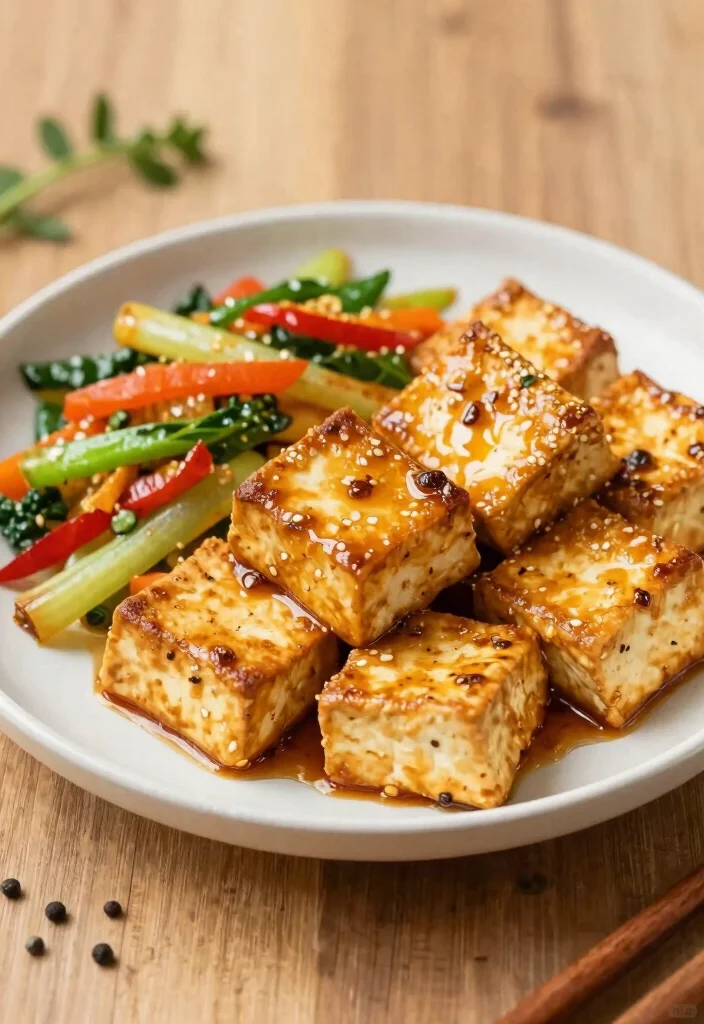
Looking for a dish that’s both sweet and spicy? This Baked Sweet and Spicy Tofu is packed with flavor and easy to make. Baked until crispy, the tofu soaks up the sweet and spicy marinade beautifully, making it a delightful option for any meal. Serve it with stir-fried vegetables or over rice for a satisfying dish.
Tofu is a great source of plant-based protein, and this dish is low in calories while being rich in flavor, making it perfect for a light yet fulfilling meal.
Ingredients:
– 14 oz firm tofu, pressed and cut into cubes
– 1/4 cup soy sauce (low sodium)
– 2 tablespoons maple syrup
– 1 tablespoon sriracha
– 1 tablespoon sesame oil
– 1 tablespoon garlic, minced
Instructions:
1. Preheat your oven to 400°F (200°C).
2. In a bowl, combine soy sauce, maple syrup, sriracha, sesame oil, and garlic.
3. Add tofu cubes and marinate for at least 15 minutes.
4. Place tofu on a baking sheet lined with parchment paper and bake for 25 minutes until golden and crispy.
5. Serve warm with a side of stir-fried vegetables.
– For extra flavor, let the tofu marinate longer, even overnight.
– This dish can be served in salads, wraps, or as a main dish!
FAQs:
– Can I use silken tofu? Firm tofu works best for this recipe.
– How long can I store leftovers? Keep in the fridge for up to 3 days in an airtight container.
Conclusion
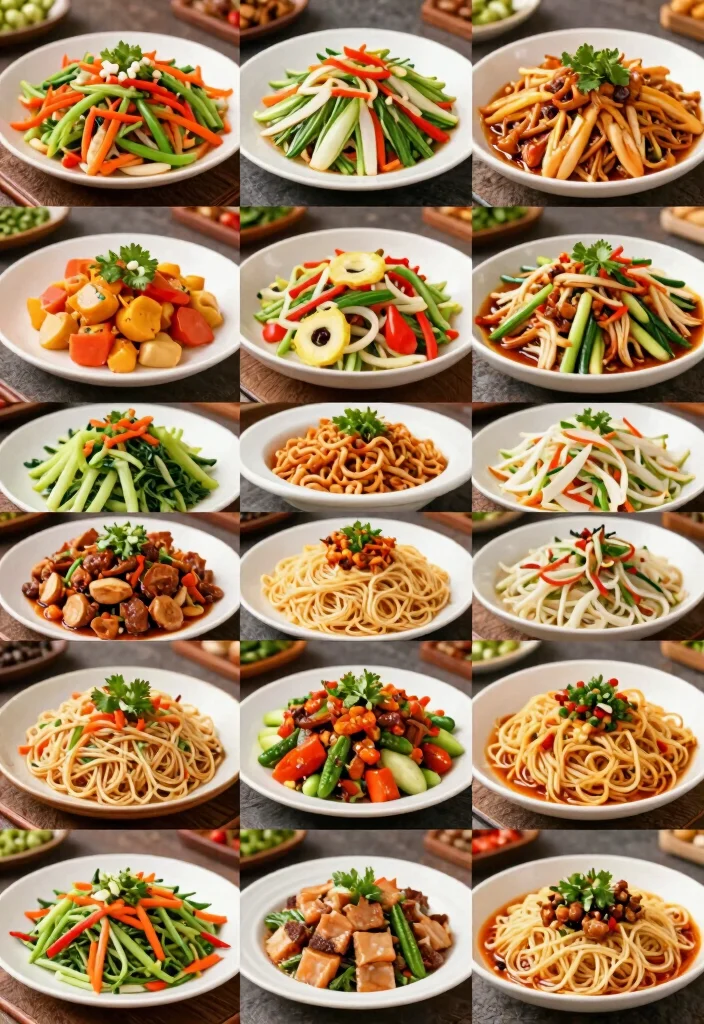
These 12 healthy Chinese recipes redefine traditional dishes, making them lighter and more nutritious without sacrificing flavor. Each recipe is a celebration of fresh ingredients and bold tastes, perfect for anyone looking to enjoy guilt-free meals. Whether you’re cooking for family or prepping meals for yourself, these dishes will certainly leave a lasting impression. Give them a try, and enjoy the delightful world of lighter Chinese cuisine!
Note: We aim to provide accurate product links, but some may occasionally expire or become unavailable. If this happens, please search directly on Amazon for the product or a suitable alternative.
This post contains Amazon affiliate links, meaning we may earn a small commission if you purchase through our links, at no extra cost to you.
Frequently Asked Questions
What are the best ways to enjoy healthy Chinese recipes while keeping meals light?
Focus on lean proteins, lots of vegetables, and flavorful but light sauces to stay within calories while enjoying healthy chinese recipes.
Choose steaming, stir-frying with minimal oil, and swap fried items for air-fried or baked options to keep it in the realm of light Chinese cuisine.
Stock the pantry with low-sodium soy sauce, rice vinegar, garlic, ginger, and chili paste to build big flavor without heaviness, helping you create nutritious Asian dishes that still feel comforting.
Try a low-calorie stir-fry with broccoli and chicken tonight for a quick win.
How can I recreate classic Szechuan dishes with a lighter approach without losing flavor?
Build flavor with aromatics: garlic, ginger, scallions, Sichuan peppercorns, and a touch of chili instead of loading oil.
Use vegetable or chicken broth to sauté instead of oil.
Finish with a glossy sauce using a light cornstarch slurry and keep it moderate so the dish stays vibrant without heaviness.
For crunch and heat, add peppers and snap peas, so meals stay satisfying in light Chinese cuisine while delivering familiar heat.
Are these 12 recipes suitable for meal prep and busy weekdays?
Absolutely. Many recipes are quick weeknight options and scale well for meal prep.
Cook a big batch of a low-calorie stir-fry or a wholesome noodle recipe, then portion into containers for the week.
Store in the fridge for 3–4 days or freeze for longer, and reheat gently to preserve texture and flavor.
It’s a great way to keep nutritious Asian dishes and guilt-free Chinese meals on busy days.
What are some easy substitutions to lower calories in Chinese dishes?
Swap white rice for cauliflower rice or zucchini noodles to cut calories without sacrificing satisfaction.
Choose lean proteins like chicken breast, shrimp, or tofu, and load up on colorful vegetables to boost fiber and nutrients—perfect for nutritious Asian dishes.
Use lighter sauce bases (broth, rice vinegar, light soy) and minimize added sugar and oil; these tweaks fit neatly into low-calorie stir-fry flavor profiles.
With these changes, you can still enjoy healthy chinese recipes and guilt-free Chinese meals every week.
How can I balance taste and nutrition when following lighter Chinese recipes?
Lean on umami-rich ingredients like mushrooms, miso, seaweed, and toasted sesame to deepen flavor without extra calories.
Season thoughtfully with garlic, ginger, rice vinegar, and a splash of soy sauce, using oils sparingly for a bright finish.
Plan color and variety by pairing protein, greens, and whole grains to create nutritious Asian dishes that still feel indulgent in light Chinese cuisine.
Remember: sustainable, enjoyable tweaks beat perfection, and your palate will adapt to the lighter profile while staying satisfied.