
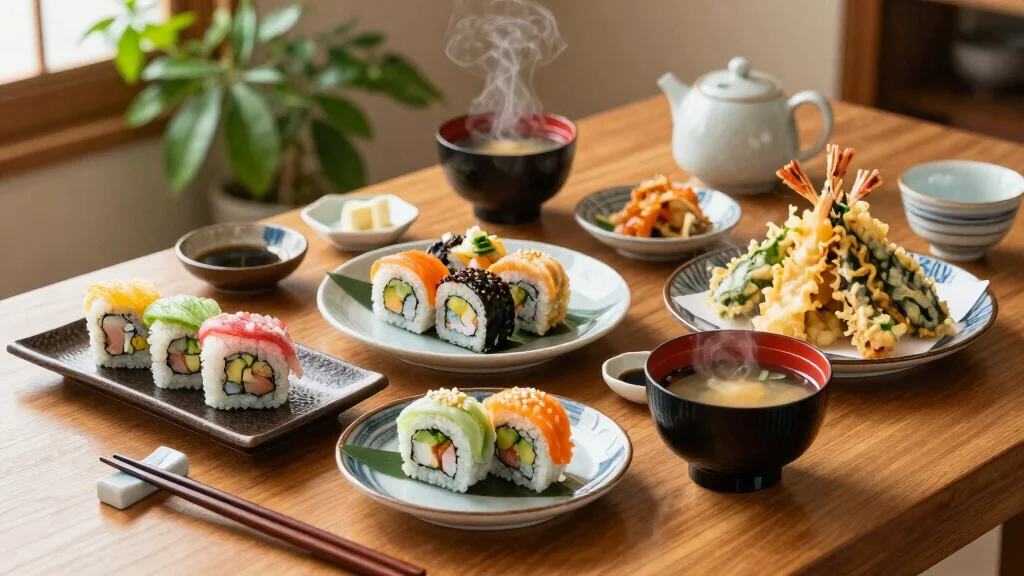
Cooking vegan Japanese recipes has become a passion for many. If you’ve been searching for comforting meals that are both plant-based and rich in umami flavors, you’re in the right place. I created this post because I wanted to share delicious options that bring the warmth of traditional Japanese cuisine to your kitchen, without any animal products. Whether you’re a long-time vegan, curious about plant-based eating, or just on the hunt for healthy vegan dishes, I promise these recipes will satisfy your cravings and keep you coming back for more.
If you love the taste of Japanese cooking but want a healthier or meatless approach, this collection is perfect for you. With a focus on clean umami flavors, these recipes maintain the essence of Japanese comfort food while being entirely vegan. From savory ramen to sweet matcha mochi, I’ve pulled together 12 amazing recipes that are not only wholesome but also simple to make. Get ready to explore the soul of plant-based Japanese cuisine, where every dish tells a story and every bite is packed with flavor.
Prepare to explore an array of mouthwatering vegan options that will delight your taste buds and nourish your body. These meals are not only delicious; they are also easy to prepare, allowing you to enjoy the rich culinary heritage of Japan from the comfort of your home. Let’s dive into these 12 vegan Japanese recipes and celebrate the beauty of meatless Japanese meals.
Key Takeaways
– Discover a variety of vegan Japanese recipes that highlight clean umami flavors, perfect for plant-based eating enthusiasts.
– Explore traditional dishes like vegan ramen and vegan sushi rolls that retain their authentic essence while being entirely vegan.
– Enjoy healthy vegan dishes that offer comfort and satisfaction, making them great options for any meal of the day.
– Learn how to prepare meatless Japanese meals that are both easy to make and packed with flavor, ensuring you don’t miss out on your favorite tastes.
– Find desserts like vegan matcha mochi to round out your meal, bringing a sweet finish that complements the savory dishes.
1. Vegan Ramen
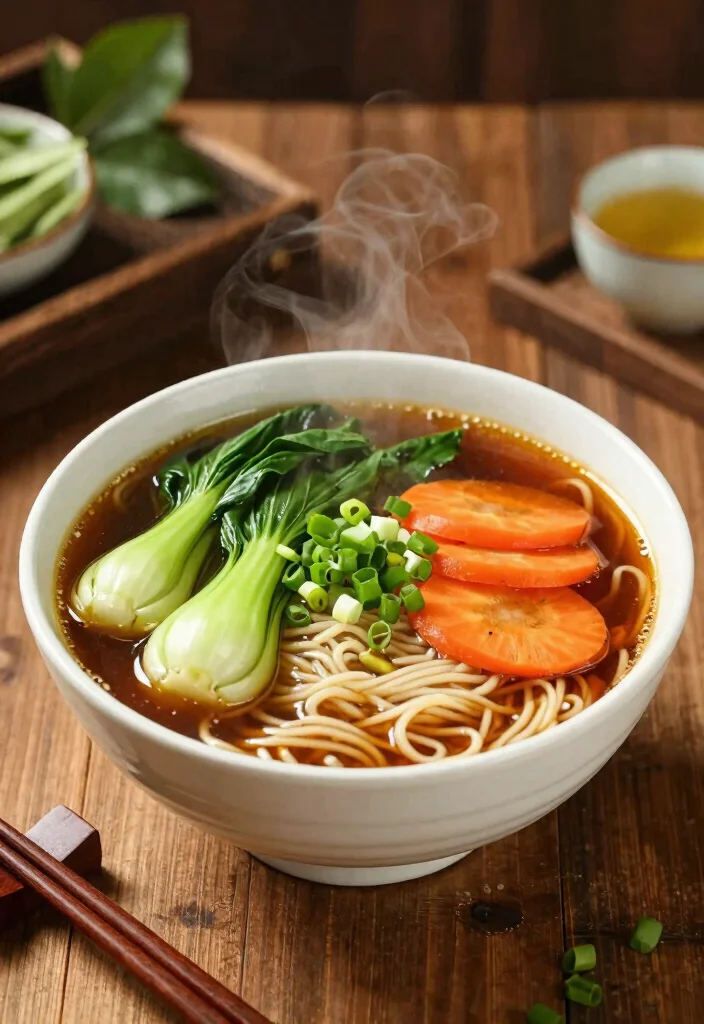
Craving a warm, comforting bowl of vegan ramen? This dish is a delightful blend of flavors and textures that will satisfy your hunger. The homemade broth, simmered with kombu and shiitake mushrooms, offers a rich umami flavor that’s hard to resist.
Packed with seasonal veggies and plant-based protein, this ramen isn’t just tasty; it’s also nourishing. Top it off with green onions, sesame seeds, and a drizzle of chili oil for an extra flavor kick!
Ingredients:
– 4 cups vegetable broth
– 2 cups water
– 2 sheets kombu
– 1 cup shiitake mushrooms, sliced
– 4 servings ramen noodles
– 1 cup bok choy, chopped
– 1 cup carrots, julienned
– Green onions for garnish
– Sesame seeds for garnish
– Chili oil (optional)
Instructions:
1. In a large pot, combine vegetable broth, water, kombu, and shiitake mushrooms. Bring to a boil, then reduce to a simmer for 20 minutes.
2. Remove the kombu and add the ramen noodles into the pot, cooking according to package instructions.
3. In the last 5 minutes of cooking, add the bok choy and carrots.
4. Serve hot, garnished with green onions, sesame seeds, and a drizzle of chili oil if desired.
for making the recipe the best way
– Use fresh vegetables for the best flavor and texture.
– Feel free to add tofu or tempeh for extra protein.
FAQs:
– Can I use gluten-free noodles? Yes, you can substitute with gluten-free ramen noodles.
– How do I store leftovers? Keep in an airtight container in the fridge for up to 3 days.
2. Vegan Sushi Rolls
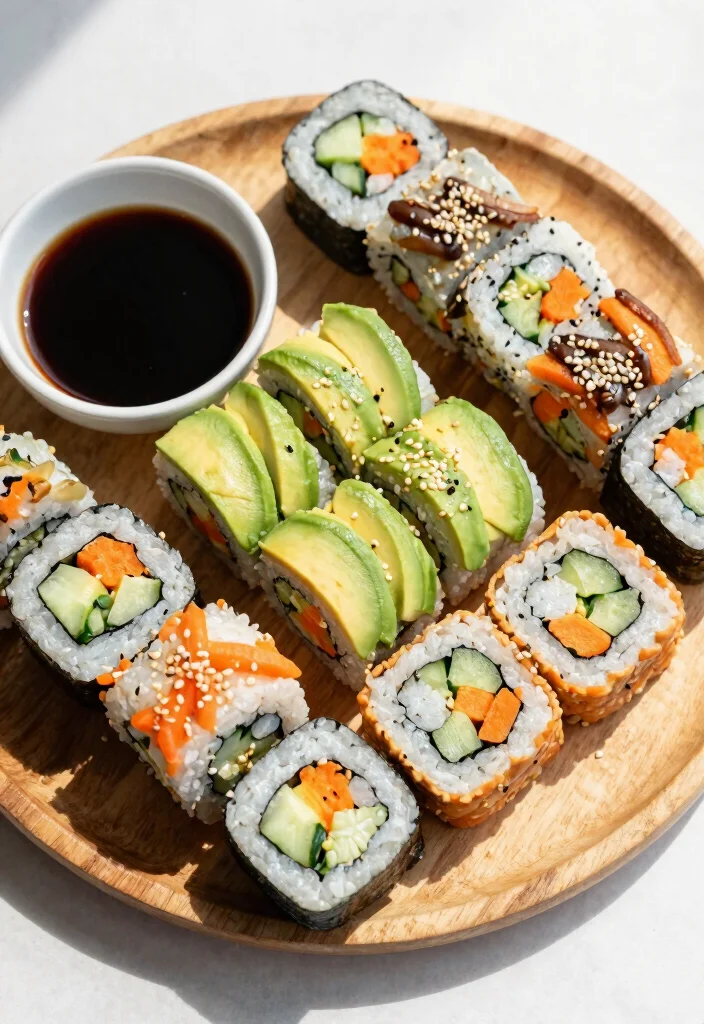
Ready to roll up some delicious vegan sushi rolls? Making sushi at home is a fun way to experiment with fresh ingredients. You can fill these rolls with your favorite vegetables, fruits, or even marinated tofu for a protein boost.
These colorful rolls are perfect for meal prep or impressing friends at a dinner party. Serve them with soy sauce or tangy ponzu, and watch everyone dive in!
Ingredients:
– 2 cups sushi rice
– 2 ½ cups water
– 2 tablespoons rice vinegar
– 4 sheets nori
– 1 avocado, sliced
– 1 cucumber, julienned
– 1 carrot, julienned
– Soy sauce for dipping
Instructions:
1. Rinse the sushi rice under cold water until the water runs clear, then combine with water in a pot and bring to a boil. Simmer for 20 minutes, then let cool.
2. Mix the rice vinegar into the cooled rice.
3. Place a sheet of nori on a bamboo mat, shiny side down. Spread a thin layer of rice over the nori, leaving a small edge at the top.
4. Layer avocado, cucumber, and carrot in the center of the rice.
5. Roll tightly from the bottom using the mat, sealing the edge with a little water.
6. Slice into pieces and serve with soy sauce.
for making the recipe the best way
– Use sushi-grade vegetables for freshness.
– Experiment with different fillings like pickled radish or even mango for a sweet twist.
FAQs:
– Can I make these ahead of time? Yes, you can prepare the rolls and store them in the fridge for a few hours before serving.
3. Miso Glazed Eggplant
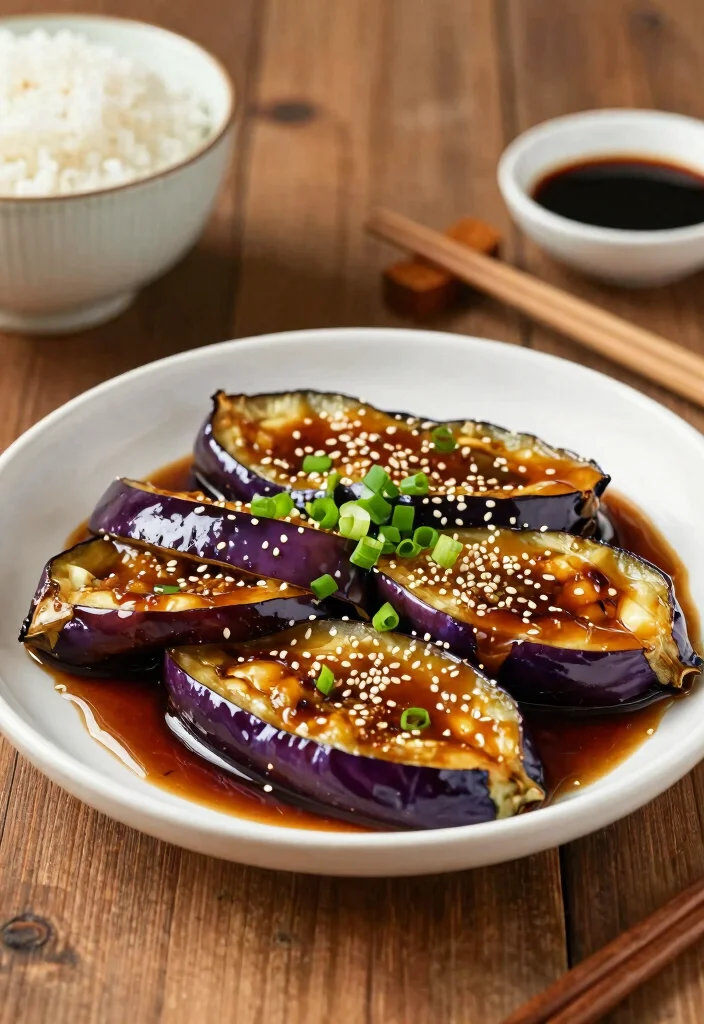
Looking for a delicious way to enjoy eggplant? This miso glazed eggplant dish is an umami delight! Roasted until tender and caramelized, the eggplant is coated in a savory miso glaze that strikes a perfect balance of sweet and salty.
Serve it over steamed rice and garnish with sesame seeds and green onions for a dish that’s not just a side but can also shine as the main attraction on your table!
Ingredients:
– 2 medium eggplants, halved
– 4 tablespoons miso paste
– 2 tablespoons maple syrup
– 2 tablespoons soy sauce
– 1 tablespoon sesame oil
– Sesame seeds for garnish
– Green onions for garnish
Instructions:
1. Preheat your oven to 400°F (200°C).
2. Mix miso paste, maple syrup, soy sauce, and sesame oil in a small bowl until smooth.
3. Place eggplant halves on a baking sheet, cut side up, and brush with the miso glaze.
4. Roast for about 25 minutes until the eggplants are tender and caramelized.
5. Garnish with sesame seeds and green onions before serving over rice.
for making the recipe the best way
– Experiment with different types of miso for varied flavors.
– For a spicier kick, add a dash of chili paste to the glaze.
FAQs:
– Can I grill the eggplant instead? Absolutely, grilling adds a delicious smoky flavor!
Fun fact: Roasting 2 eggplants until tender makes them absorb miso glaze like a sponge, a perfect move for vegan japanese recipes. A simple mix of 2 tablespoons miso with a touch of sweetness delivers a glossy, umami punch in every bite.
4. Vegan Tofu Katsu
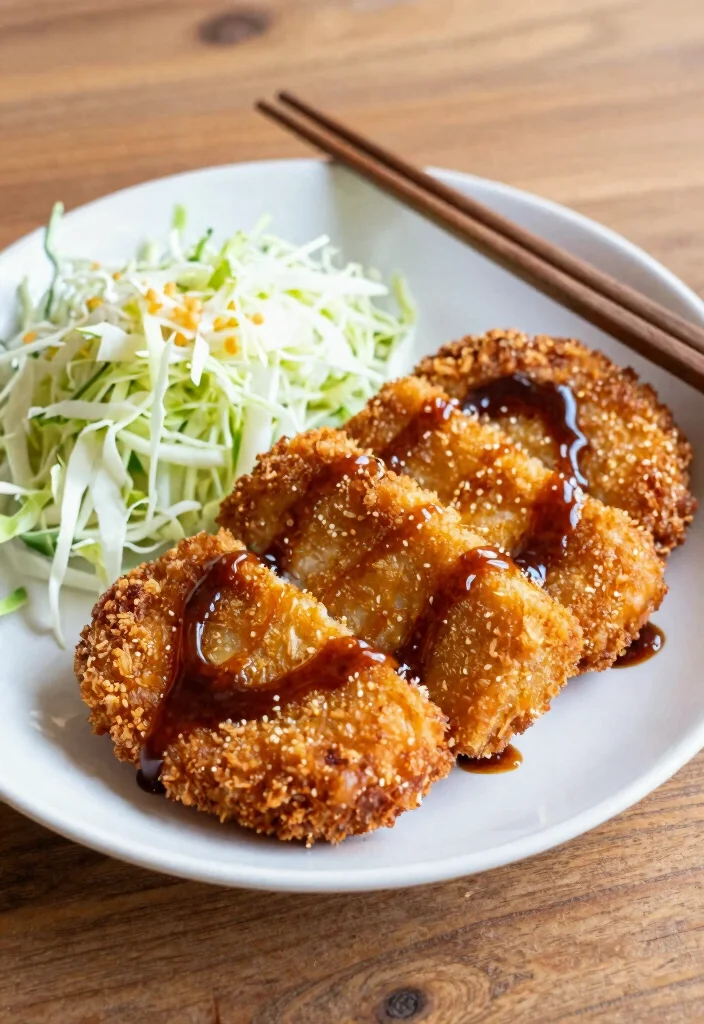
Craving something crispy and satisfying? Vegan tofu katsu is a fantastic alternative to traditional pork cutlet. Made from firm tofu, it’s marinated, breaded, and pan-fried until golden brown for a delightful crunch.
Serve it with a drizzle of tonkatsu sauce and a side of cabbage salad for a hearty meal that’s still plant-based. This dish is perfect for those comfort food cravings!
Ingredients:
– 1 block firm tofu, pressed and sliced
– ½ cup flour
– ½ cup breadcrumbs
– 2 tablespoons soy sauce
– 1 tablespoon sesame oil
– Tonkatsu sauce for serving
– Cabbage for salad
Instructions:
1. Pat the tofu slices dry and marinate in soy sauce and sesame oil for 10 minutes.
2. Set up a breading station: one plate with flour, one with breadcrumbs.
3. Dredge each tofu slice in flour, then dip in water, and coat with breadcrumbs.
4. Heat oil in a pan over medium heat and fry the tofu until golden on both sides, about 4-5 minutes per side.
5. Serve with tonkatsu sauce and a fresh cabbage salad.
for making the recipe the best way
– Make sure the oil temperature is right; too hot can burn the coating before the tofu cooks.
– Keep leftovers in the fridge, but note the texture may change when reheated.
FAQs:
– Can I bake the katsu? Yes, for a healthier option, bake them at 375°F for about 20 minutes, flipping halfway through.
Vegan Tofu Katsu
Editor’s Choice






How To Choose Vegan Japanese Recipes
When diving into the realm of vegan Japanese recipes, it’s essential to select dishes that not only satisfy your taste buds but also highlight the clean umami flavors inherent in traditional Japanese cuisine. Here are some key criteria to guide your choices:
1. Flavor Profile
Japanese cuisine is known for its umami flavor, which is often derived from ingredients like miso, seaweed, and soy sauce. When choosing vegan recipes, look for those that incorporate these ingredients to create a rich, savory taste. Recipes like Vegan Ramen and Miso Glazed Eggplant excel at delivering that authentic umami without any animal products.
2. Ingredient Accessibility
Ensure that the ingredients used in your chosen recipes are easy to find. Some traditional Japanese ingredients, such as yuba (tofu skin) or specific types of seaweed, might be harder to locate in local grocery stores. Opt for recipes that use more common items like tofu, vegetables, and pantry staples like soy sauce or sesame oil. This way, you won’t be deterred by an empty shopping list.
3. Cooking Techniques
Different recipes employ various cooking techniques, from steaming to stir-frying. If you’re new to cooking Japanese dishes, start with simpler techniques. Recipes like Vegan Onigiri or Vegan Sushi Rolls are straightforward and can help you build confidence. As you gain experience, you can explore more complex techniques like deep-frying for Vegan Tofu Katsu.
4. Nutritional Balance
Aim to select recipes that provide balanced nutrition. Traditional Japanese meals often include a variety of vegetables, grains, and legumes. When choosing dishes, consider how they fit into your overall diet. Dishes like Japanese Vegetable Curry or Vegan Udon can be hearty and filling, providing a satisfying meal while also packing in essential nutrients.
5. Cooking Time
Factor in how much time you have to prepare your meal. Some vegan Japanese recipes can be made quickly, while others require more preparation and cooking time. For a quick weeknight dinner, consider Vegan Takoyaki or Yuba Noodle Salad, which can be ready in under 30 minutes. For a leisurely weekend project, try something like Vegan Matcha Mochi, which can be more time-consuming but is a delightful treat.
6. Personal Preferences and Dietary Restrictions
Finally, consider your own tastes and any dietary restrictions. Make sure to choose recipes that align with your preferences, whether you’re avoiding gluten, nuts, or soy. Searching for traditional Japanese vegan recipes that cater to your needs ensures that you enjoy each dish fully.
Pro Tip: Keep an ongoing list of your favorite vegan Japanese recipes. This way, you can easily reference them when meal planning and can experiment with new dishes over time!
Choosing the right vegan Japanese recipes can enhance your cooking experience while introducing you to the vibrant flavors of plant-based Japanese cuisine. By considering flavor profiles, ingredient accessibility, cooking techniques, nutritional balance, cooking time, and personal preferences, you’ll set yourself up for culinary success. Enjoy experimenting, and don’t be afraid to make each recipe your own!
5. Japanese Vegetable Curry
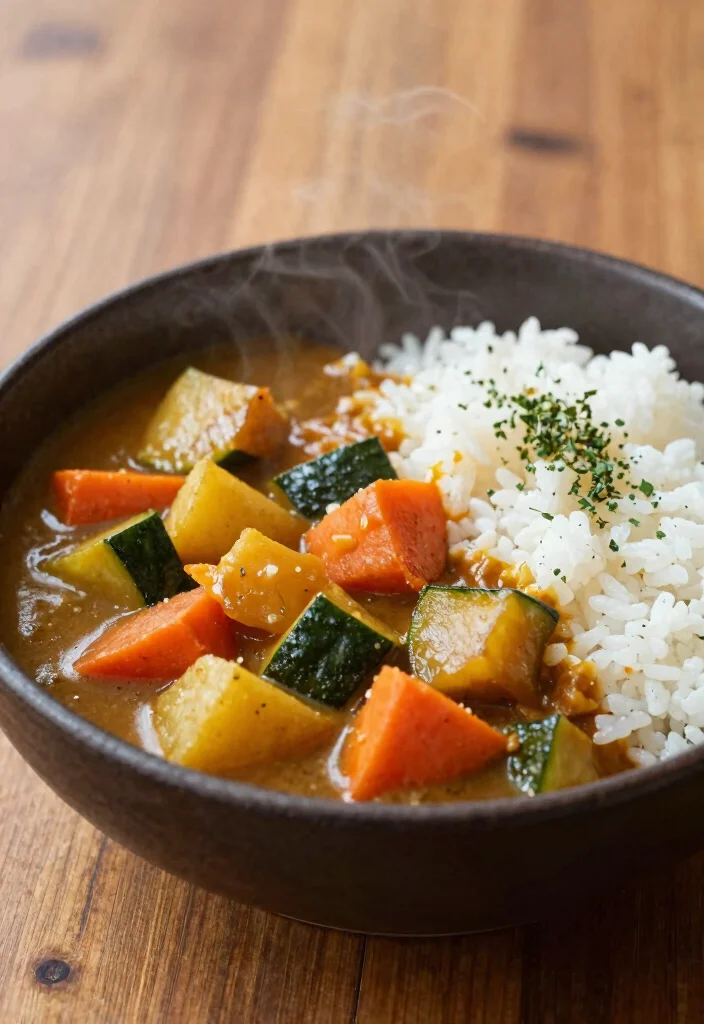
Enjoy a comforting bowl of Japanese vegetable curry that’s perfect for cozy nights. This dish is rich and fragrant, filled with tender vegetables and a delightful blend of spices that create a beautiful balance of sweet and spicy flavors.
Serve it over fluffy rice for a meal that warms both body and soul while sneaking in a variety of veggies you love!
Ingredients:
– 2 tablespoons vegetable oil
– 1 onion, chopped
– 2 carrots, sliced
– 2 potatoes, cubed
– 1 zucchini, sliced
– 4 cups vegetable broth
– 4 tablespoons Japanese curry powder
– 1 tablespoon soy sauce
– Cooked rice for serving
Instructions:
1. Heat the vegetable oil in a large pot over medium heat. Add the onions and sauté until translucent.
2. Add carrots and potatoes; cook for a few minutes, stirring frequently.
3. Pour in the vegetable broth and curry powder, bringing it to a boil. Reduce the heat and let simmer for about 20 minutes.
4. Stir in zucchini and soy sauce, cooking for an additional 5 minutes.
5. Serve hot over fluffy rice.
for making the recipe the best way
– Customize the vegetable mix based on what you have on hand.
– Don’t skip the curry powder; it’s essential for that authentic flavor!
FAQs:
– Can I make this curry ahead of time? Yes, it stores well in the fridge for up to 3 days.
📹 Related Video: Japanese Curry from Scratch (vegan/gluten free)
6. Vegan Yakitori
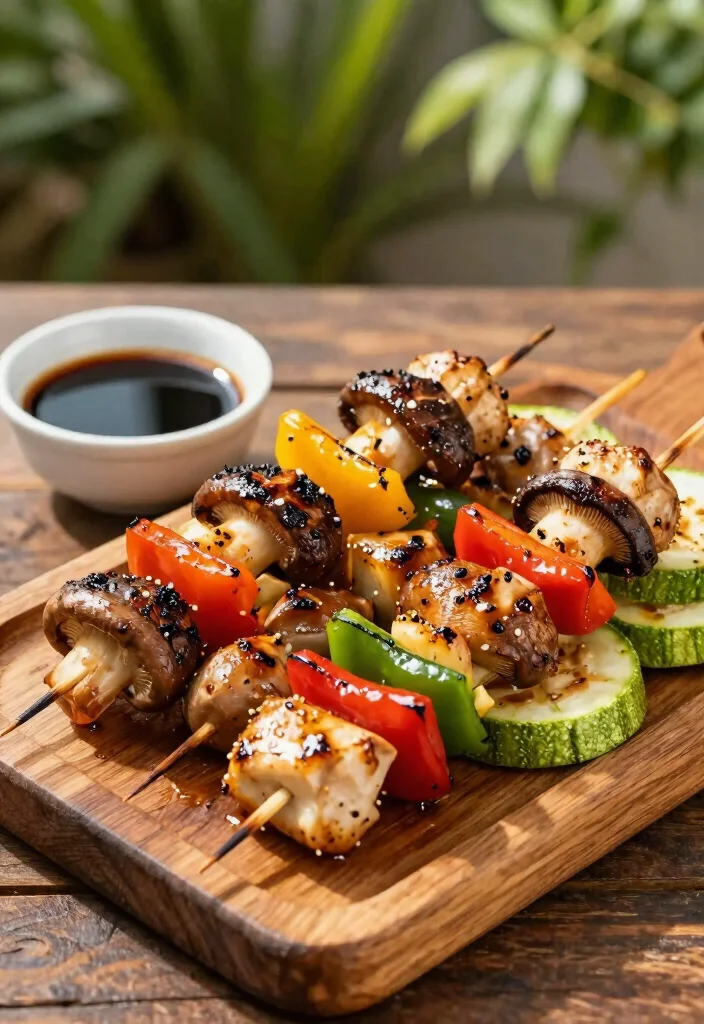
Are you ready to savor some delicious vegan yakitori? Enjoy the flavors of grilled skewers without the meat! Made with marinated mushrooms, bell peppers, and zucchini, these skewers are perfect for summer barbecues or cozy indoor dinners.
The marinade of soy sauce, mirin, and a touch of sugar gives it a delightful sweet and savory flavor, capturing the essence of traditional Japanese yakitori. Great as an appetizer or main dish!
Ingredients:
– 1 cup mushrooms, cut into large pieces
– 1 bell pepper, cut into chunks
– 1 zucchini, sliced
– ¼ cup soy sauce
– 2 tablespoons mirin
– 1 tablespoon sugar
– Skewers (soaked in water if wooden)
Instructions:
1. In a bowl, combine soy sauce, mirin, and sugar.
2. Add mushrooms, bell pepper, and zucchini to the marinade and let sit for at least 10 minutes.
3. Preheat the grill or grill pan over medium heat.
4. Thread the marinated vegetables onto skewers.
5. Grill for about 10-15 minutes, turning occasionally, until they are nicely charred.
6. Serve hot with leftover marinade drizzled on top.
for making the recipe the best way
– Always soak wooden skewers in water beforehand to prevent burning on the grill.
– Feel free to add other veggies of your choice for variety.
FAQs:
– Can I bake these skewers instead? Yes, you can bake them in the oven at 400°F for about 20 minutes, turning halfway.
Pro tip: you can master Vegan Japanese recipes without meat; these vegan yakitori skewers prove it. A quick soy-mirin marinade brings bold, smoky umami to mushrooms and peppers, making every bite feel indulgent and effortless for weeknight dinners.
7. Vegan Chashu
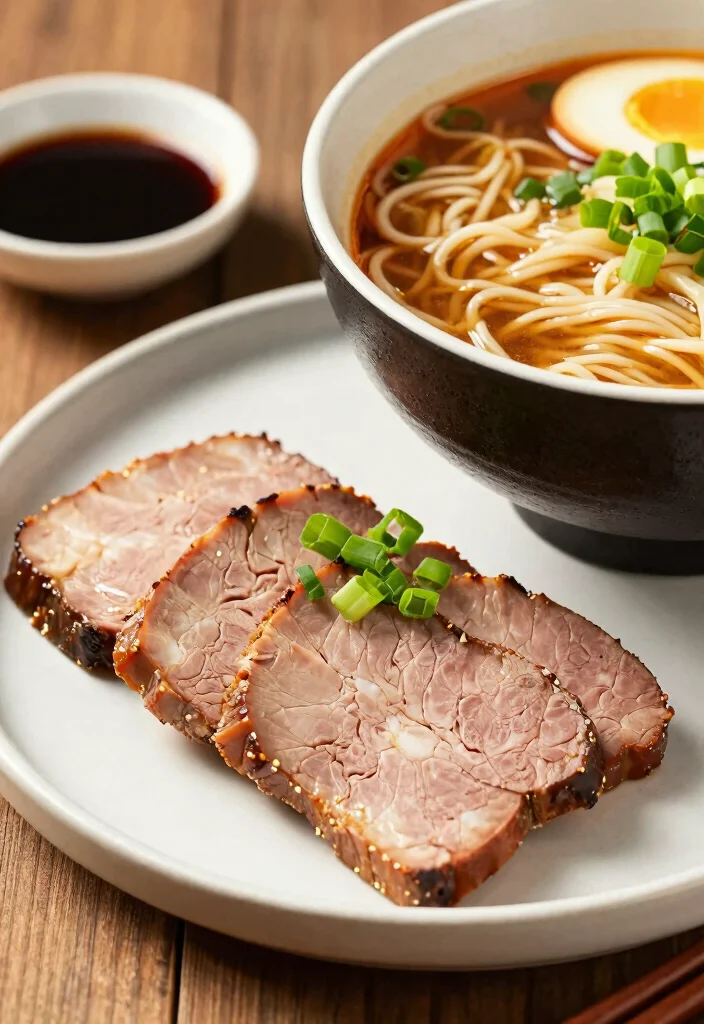
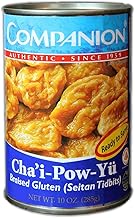
Looking for a plant-based twist on traditional ramen toppings? This vegan chashu is made with marinated seitan or firm tofu, providing rich flavors without any animal products. The combination of soy sauce, miso, and spices gives it a deep umami taste that enhances your ramen or rice dishes wonderfully.
Serve it sliced and garnished with green onions for a visually appealing dish that packs a flavor punch!
Ingredients:
– 8 oz seitan or firm tofu
– ¼ cup soy sauce
– 2 tablespoons miso paste
– 1 tablespoon rice vinegar
– 1 tablespoon maple syrup
– 1 tablespoon ginger, grated
– 1 tablespoon garlic, minced
– Green onions for garnish
Instructions:
1. In a bowl, mix soy sauce, miso, rice vinegar, maple syrup, ginger, and garlic to create a marinade.
2. Slice your seitan or tofu and marinate for at least 30 minutes.
3. Preheat the oven to 350°F (175°C).
4. Place the marinated seitan/tofu in a baking dish and cover with foil. Bake for about 30-40 minutes, basting occasionally.
5. Slice thinly and serve over ramen or rice, garnished with green onions.
for making the recipe the best way
– Allow the seitan or tofu to marinate for longer to enhance the flavors.
– Experiment with different spices in the marinade for unique twists.
FAQs:
– Can I use store-bought chashu? Yes, for convenience, but homemade is always yummier!
Fun fact: plant-based umami can rival pork with a simple trick: marinate seitan or tofu in soy, miso, and spices for depth you’ll crave in vegan japanese recipes. A little time makes bite-sized vegan chashu melt in your ramen and rice.
Vegan Chashu
Editor’s Choice

Anthony’s Vital Wheat Gluten, 4 lb, Vegan, Non GMO, Keto Friendly, Low Carb


8. Vegan Takoyaki

Take a classic Japanese dish and give it a twist with vegan takoyaki. Traditionally made with octopus, these savory balls are here recreated with a mix of plant-based proteins like diced mushrooms and vegetables. They’re perfect for snacking or as a fun appetizer at gatherings.
Cooked in a special takoyaki pan, these balls become crispy on the outside while remaining soft on the inside. Drizzle with vegan mayo and sprinkle with seaweed for that authentic touch!
Ingredients:
– 1 cup flour
– 1 cup vegetable broth
– 1 tablespoon soy sauce
– 1 cup diced mushrooms
– ½ cup green onions, chopped
– ½ cup corn kernels
– Vegan mayo for drizzling
Instructions:
1. In a bowl, mix flour, vegetable broth, and soy sauce to create a batter.
2. Preheat a takoyaki pan over medium heat and lightly grease it.
3. Pour batter into the molds, filling halfway. Add a piece of mushroom, green onion, and corn in the center.
4. Fill the molds with more batter and cook until golden brown, flipping with a skewer.
5. Drizzle with vegan mayo and sprinkle with seaweed before serving.
for making the recipe the best way
– Ensure the takoyaki pan is hot enough for a crispy exterior.
– Customize the filling based on your preferences!
FAQs:
– Can I make these ahead of time? Yes, but they are best served immediately after cooking for maximum crispiness.
Vegan Takoyaki
Editor’s Choice


9. Yuba Noodle Salad
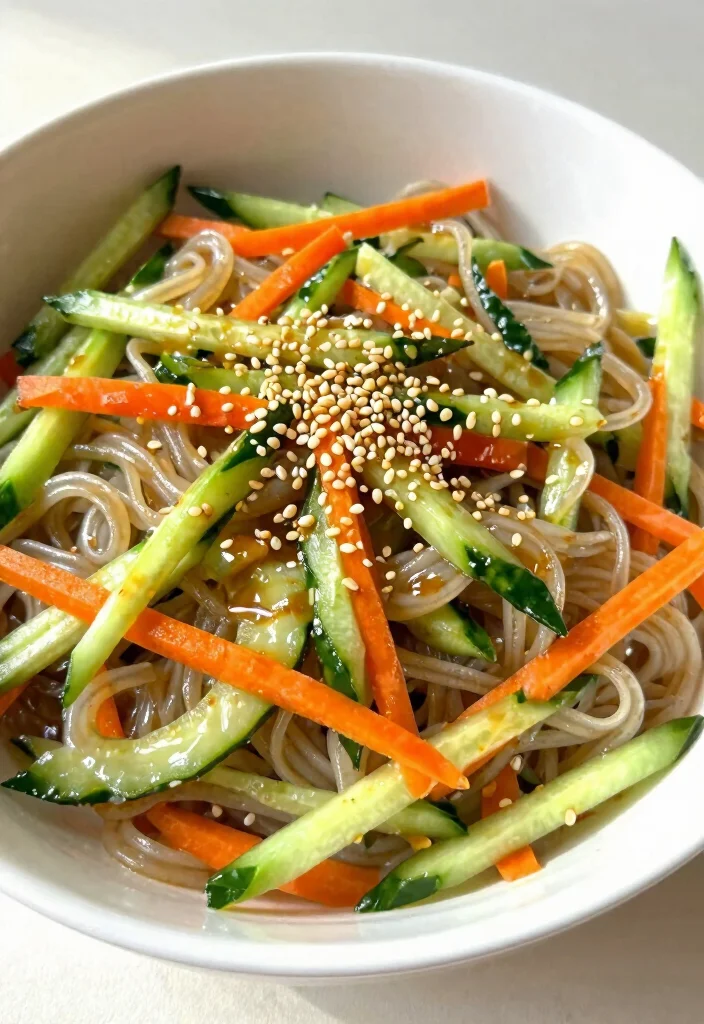
If you’re looking for a fresh and light dish, try this yuba noodle salad. Made with delicate yuba (tofu skin) noodles and a colorful array of crisp vegetables, it’s tossed in a tangy sesame soy dressing that bursts with flavor.
This salad is not only delicious but also nutritious, offering plant-based protein and fiber, making it an excellent choice for a light lunch or dinner!
Ingredients:
– 2 cups yuba noodles
– 1 cucumber, julienned
– 1 carrot, julienned
– ½ bell pepper, sliced
– 3 tablespoons soy sauce
– 1 tablespoon sesame oil
– 1 tablespoon rice vinegar
– Toasted sesame seeds for garnish
Instructions:
1. Cook yuba noodles according to package instructions and drain.
2. In a bowl, combine soy sauce, sesame oil, and rice vinegar to make the dressing.
3. In a large bowl, mix yuba noodles with cucumber, carrot, and bell pepper.
4. Drizzle with dressing and toss well to combine.
5. Serve topped with toasted sesame seeds.
for making the recipe the best way
– Let the salad sit for a few minutes to allow the flavors to meld.
– Experiment with other vegetables or add avocado for extra creaminess.
FAQs:
– Can I use other types of noodles? Yes, soba or rice noodles are great alternatives!
10. Vegan Onigiri
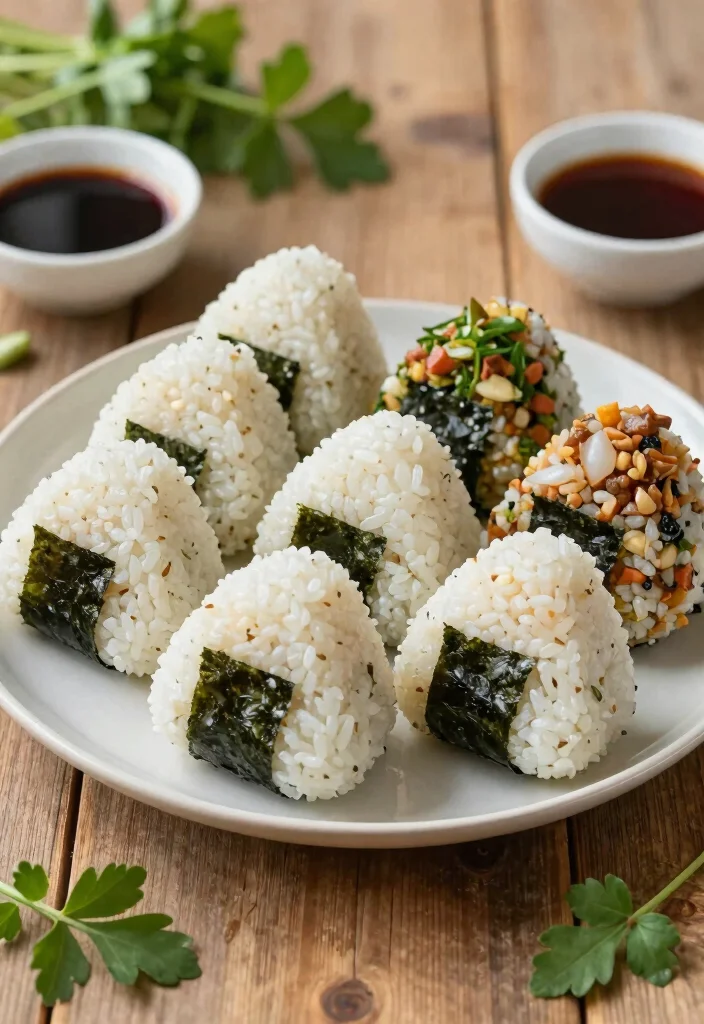
Looking for a portable snack? Vegan onigiri, or Japanese rice balls, are filled with flavorful ingredients and wrapped in seaweed, making them perfect for lunch or a tasty snack.
These easy-to-make rice balls are not only delicious but also packed with flavor, making them a staple in plant-based Japanese cuisine that you can enjoy any time of the day!
Ingredients:
– 2 cups sushi rice
– 3 cups water
– ¼ cup pickled plums or seasoned vegetables
– Nori seaweed sheets, cut into strips
Instructions:
1. Rinse sushi rice under cold water until clear, then cook it with water according to package instructions.
2. Once cooked, let the rice cool slightly.
3. Wet your hands and take a scoop of rice, placing a small amount of filling in the center.
4. Shape the rice around the filling into a triangle or oval shape and wrap with a strip of nori.
5. Repeat until all rice and filling are used. Enjoy!
for making the recipe the best way
– Use warm, slightly sticky rice for easy shaping.
– Feel free to customize fillings to your taste preference.
FAQs:
– Can I store onigiri? Yes, store them in the fridge for up to 2 days, but consume them at room temperature for the best flavor.
Vegan Onigiri
Editor’s Choice


11. Vegan Udon
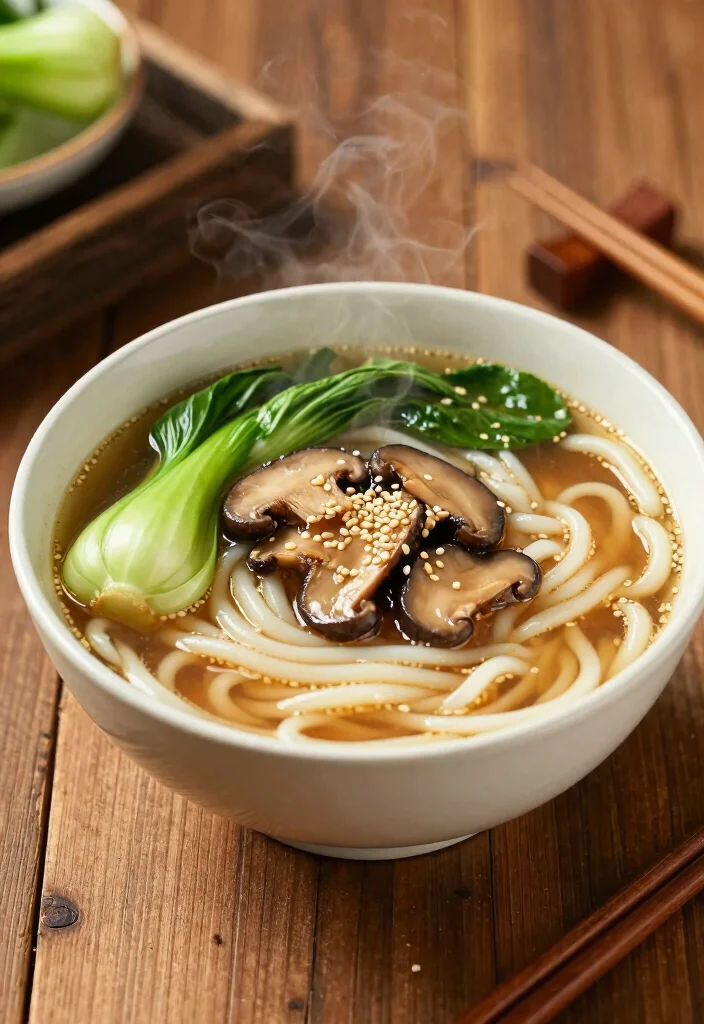
Indulge in a bowl of vegan udon that’s sure to bring a smile to your face. These thick, chewy noodles are immersed in a rich vegetable broth, combined with mushrooms and bok choy, making it a delightful and hearty meal.
It’s a simple dish that perfectly embodies comfort food! Serve it hot and enjoy the wonderful medley of flavors and textures. Ideal for a quick weeknight dinner or a leisurely weekend lunch!
Ingredients:
– 8 oz udon noodles
– 4 cups vegetable broth
– 1 cup mushrooms, sliced
– 1 cup bok choy, chopped
– 2 tablespoons soy sauce
– Green onions for garnish
– Sesame seeds for garnish
Instructions:
1. Cook udon noodles according to package instructions and set aside.
2. In a pot, bring vegetable broth to a simmer, then add mushrooms and bok choy.
3. Cook for about 5 minutes until the vegetables are tender.
4. Stir in soy sauce and add cooked udon noodles to the pot.
5. Serve hot, garnished with green onions and sesame seeds.
for making the recipe the best way
– Use leftover broth to enhance the flavor profile.
– Add other veggies like spinach or carrots for more variety!
FAQs:
– Can I make this gluten-free? Yes, use gluten-free udon or another type of gluten-free noodle.
Vegan Udon
Editor’s Choice


12. Vegan Matcha Mochi
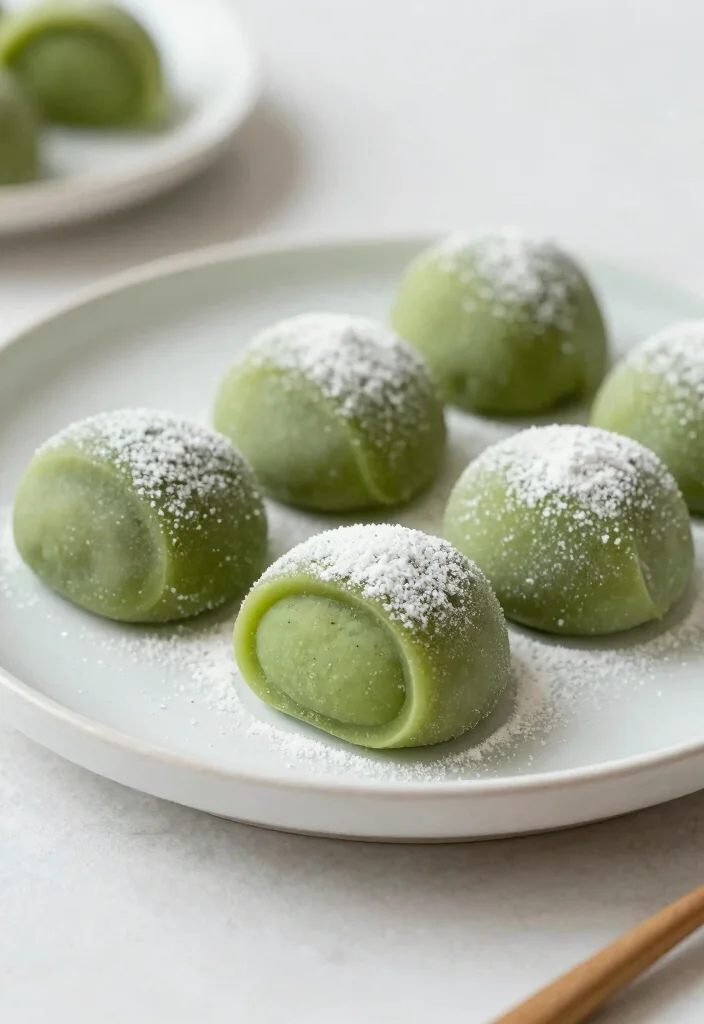
Finish your meal with a delightful treat: vegan matcha mochi. Made with glutinous rice flour and sweetened with maple syrup, these chewy bites are sure to satisfy your sweet tooth.
Infused with matcha powder, they not only taste amazing but also offer a boost of antioxidants. Perfect for snacking or serving at gatherings!
Ingredients:
– 1 cup glutinous rice flour
– ½ cup water
– 2 tablespoons maple syrup
– 2 tablespoons matcha powder
– Cornstarch for dusting
Instructions:
1. In a bowl, mix glutinous rice flour, water, maple syrup, and matcha powder until smooth.
2. Steam the mixture in a heatproof dish for about 10 minutes until set.
3. Allow to cool slightly, then dust with cornstarch and cut into bite-sized pieces.
4. Serve as a delightful dessert!
for making the recipe the best way
– Dust with cornstarch to prevent sticking.
– Store in an airtight container to keep the mochi fresh.
FAQs:
– Can I flavor these differently? Yes, you can replace matcha with cocoa powder or fruit purees for variation.
Conclusion
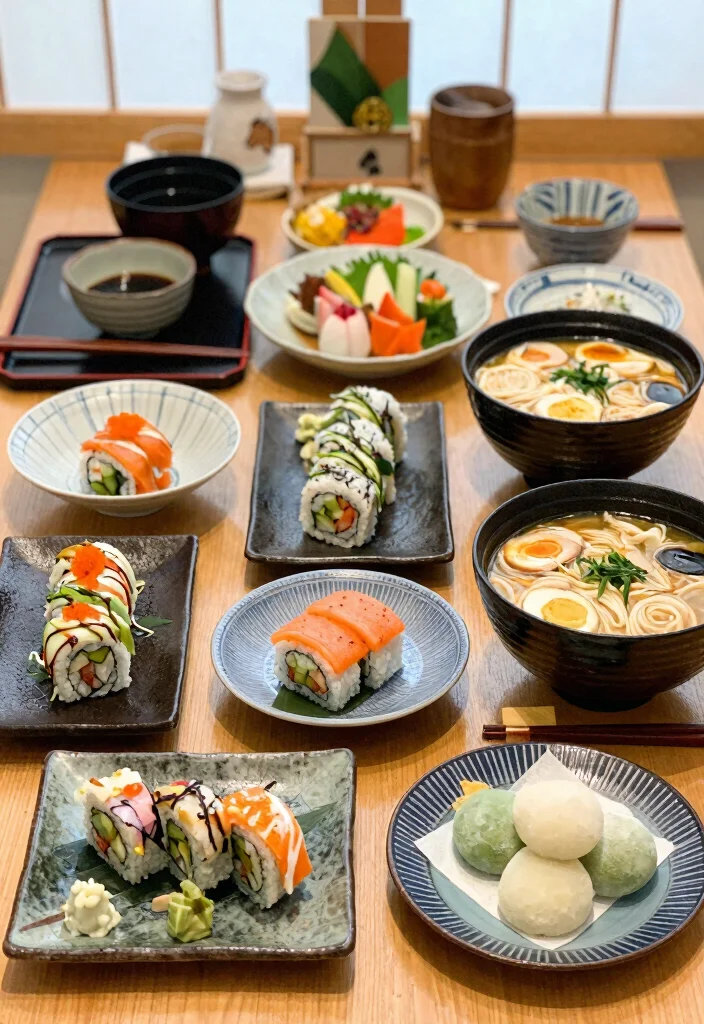
Exploring vegan Japanese recipes opens up a world of flavor and creativity in the kitchen. These dishes not only provide comfort but also celebrate the rich tradition of Japanese cuisine in a modern, plant-based way.
From savory ramen to sweet mochi, each recipe is a testament to the versatility of plant-based ingredients, proving that you don’t need meat to enjoy authentic, satisfying meals. Dive into these delightful recipes and bring a touch of Japan to your table!
Note: We aim to provide accurate product links, but some may occasionally expire or become unavailable. If this happens, please search directly on Amazon for the product or a suitable alternative.
This post contains Amazon affiliate links, meaning we may earn a small commission if you purchase through our links, at no extra cost to you.
Frequently Asked Questions
What makes vegan japanese recipes flavorful without meat?
In vegan japanese recipes, umami flavors come from miso, soy sauce, kombu, shiitake mushrooms, and other plant-based boosters like wakame or nori. Layer flavors by searing vegetables, deglazing with a splash of rice vinegar, then finishing with a touch of miso paste or soy sauce for depth and umami flavors. For a quick weeknight option, keep a bottle of kombu dashi in the fridge and use it as the base. These techniques keep meals deeply satisfying while embracing plant-based Japanese cuisine.
Which pantry staples help create a satisfying plant-based Japanese meal?
Stock your pantry with miso paste, tamari or soy sauce, mirin, rice vinegar, and a piece of kombu plus dried shiitake mushrooms. Nori sheets, sesame oil, and sesame seeds, plus short-grain rice or sushi rice, are essential for authentic texture. Tofu, edamame, and other plant proteins keep meals hearty without animal products. For flavor base, make a quick dashi using kombu and shiitake; this backbone supports traditional Japanese vegan recipes and helps keep healthy vegan dishes satisfying.
Are these vegan japanese recipes suitable for weeknight dinners?
Absolutely. Many of these recipes can be on the table in 20–30 minutes with smart prep. Think one-pot miso-glazed vegetables over rice, quick mushroom soba or udon soups, and nimono that simmer in a single pan. Batch-cook ingredients on the weekend (tofu, veggies, miso paste) and reheat for busy weeknights. By focusing on vegan japanese recipes that rely on plant-based Japanese cuisine staples, you get healthy, satisfying meals without sacrificing flavor.
How can I amplify umami in vegan Japanese dishes?
Build depth by layering flavors: brown vegetables first, then add broth, sauces, and finishing touches. Use rehydrated dried shiitake mushrooms or mushroom soaking liquid, kombu-based stock, and miso paste toward the end to preserve subtle notes. A splash of soy sauce or tamari, toasted sesame oil, and roasted sesame seeds amplify the umami flavors. Don’t boil miso for long; add at the end for bright, clean taste in plant-based Japanese cuisine.
Can I find traditional Japanese vegan recipes that fit a clean, plant-based diet?
Yes. Traditional Japanese vegan cooking, known as sho jin ryori (temple cuisine), centers on vegetables, tofu, and grains without meat or fish. You can enjoy nimono (simmered vegetables), kinpira gobo, and tofu dengaku made with dashi from kombu and shiitake and a touch of miso. With these traditional Japanese vegan recipes, you’ll get comforting meals that align with a healthy vegan dishes approach and showcase the best of plant-based Japanese cuisine.